Modern Ghost Stories: Five Favourites

If you’re looking for the best modern ghost stories to read this winter, here are five atmospheric, unsettling, and beautifully written tales that showcase the very best of supernatural fiction by contemporary writers.

It’s been a long time since I put together one of my ‘Five Favourite’ posts. And while I’ve already shared my Five Favourite Creepy Stories, it feels remiss that I’ve never tackled my Five Favourite Ghost Stories.

Selecting just five was a hard call, but here they are — as of today. Ask me again in six months and the list might look very different.

Modern Ghost Stories: The Woman in Black by Susan Hill

1. The Woman in Black – Susan Hill

This one has everything: a superb gothic setting (an isolated mansion on a fog‑shrouded sea marsh, cut off by the tide at night), a credible but naïve hero you can’t help but empathise with, and — most importantly — a ghost who is both chilling and devastating in her intent. If you love ghost stories and haven’t read this yet, rectify that immediately!

Buy The Woman in Black on Amazon.

2. Pine – Francine Toon

    A haunting tale set in the moody Scottish Highlands, following a girl and her father as strange events begin to fracture their world. Atmospheric, wintry, gothic, and unsettling — perfect reading for the darker months.

    Buy Pine on Amazon.

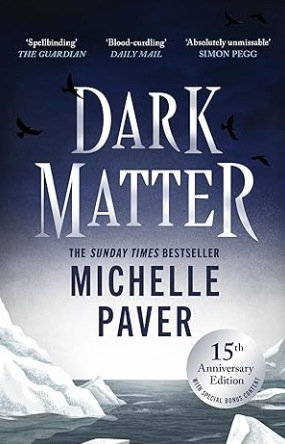
    3. Dark Matter – Michelle Paver

    My favourite of Michelle Paver’s ghost stories. Who can resist a spectral presence in the Arctic wilderness? Set during an early‑20th‑century expedition, the story slowly isolates our uncertain hero in perpetual darkness, where he begins to fear the presence of “the one who walks”. Intense, claustrophobic, and genuinely chilling.
    Modern Ghost Stories: Dark Matter by Michelle Paver

    Buy Dark Matter on Amazon.

    4. Carfax House – Shani Struthers

    A standout ghost story from Brighton author Shani Struthers. A woman is left alone in a country house in the run‑up to Christmas when her husband is delayed in London.
    Psychologically rich and deeply haunting, the story blends family memories with the creeping sense that something else resides within the walls.

    Buy Carfax House on Amazon.

    5. Ringing the Changes – Robert Aickman

    Aickman’s “strange stories” defy easy categorisation, and this one is no exception. A newly married couple arrive in a seaside town just as a disturbing bell‑ringing ritual begins — a ritual that seems to rouse the dead. Whether you’d call it a ghost story is debatable, but it’s one of the most unsettling tales I’ve ever read. Not quite as modern as the rest of my list (Aickman died in 1981), but hugely influential on contemporary weird fiction.

    Buy Dark Entries (the collection that includes Ringing the Changes) on Amazon.

    Modern Ghost Stories: Honourable Mentions

    It was exceptionally hard to keep this list to five, so here are a few favourites that could easily make the cut next time:

    The Shining – It feels almost rude not to include the great man. A masterpiece.

    Daughters of the Oak – Suffolk author Becky Wright is a huge favourite of mine; she’s a master of eerie, otherworldly suspense. Read my review of Daughters of the Oak on Goodreads.

    The Little Stranger – A brilliant, class‑haunted tale of unrequited love with a superb twist.

    The Weejee Man – A new voice in Irish ghost stories, NP Cunniffe crafts a tale that has all the classic elements but still feels fresh and original. Check out my review on Goodreads.

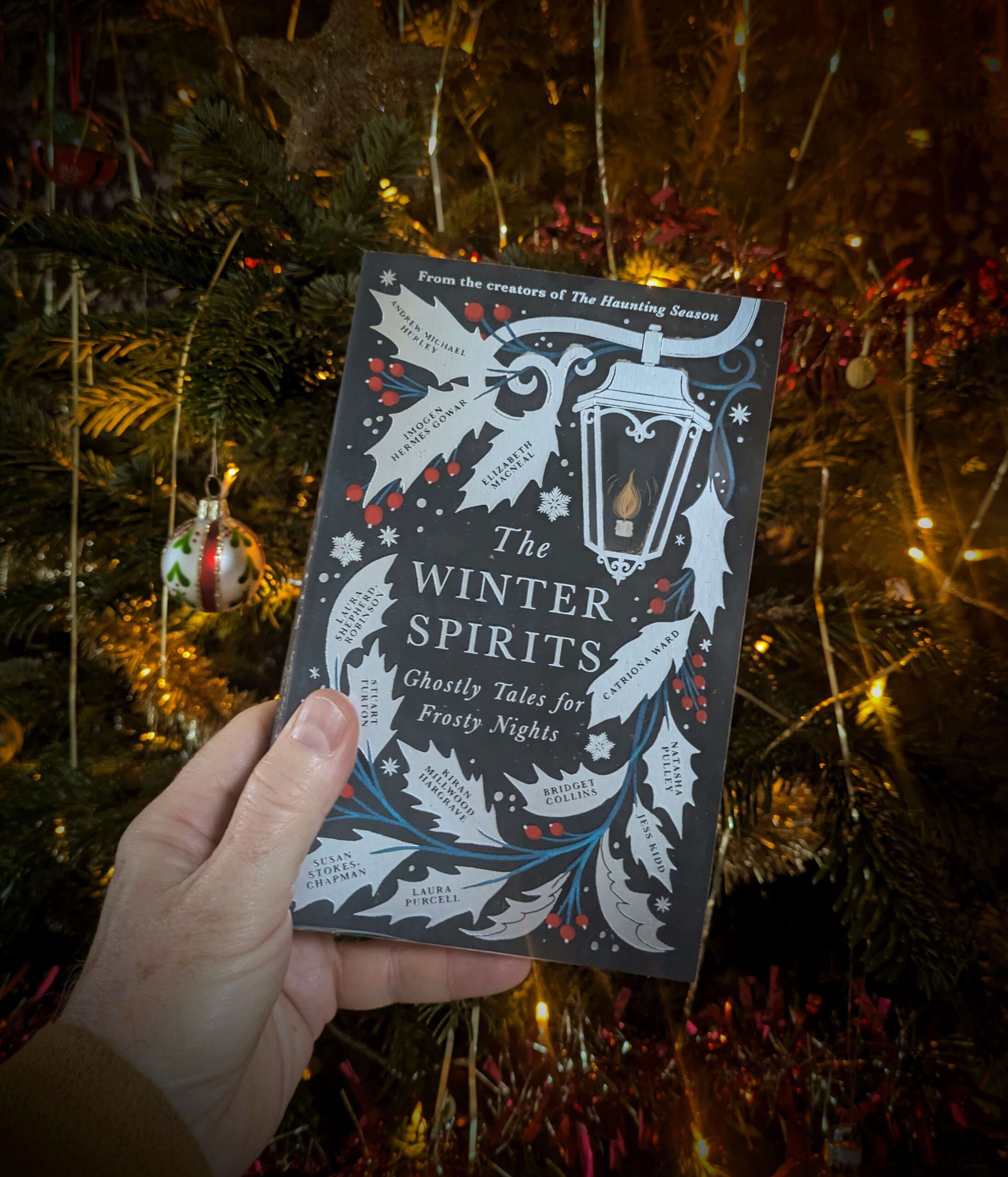
    The Winter Spirits – A wonderful collection of festive chillers from some of the best contemporary writers of the macabre. Read my review of The Winter Spirits on Goodreads.
    Cover of The Winter Spirits

    What are your favourite modern ghost stories? Let me know in the comments — I’m always looking for new chillers to add to my list.

    This post contains Amazon affiliate links. If you buy through these links, I may earn a small commission at no extra cost to you.
    Guillermo del Toro’s Frankenstein: Beautiful, Tragic, but Missing Horror

    Frankenstein movie


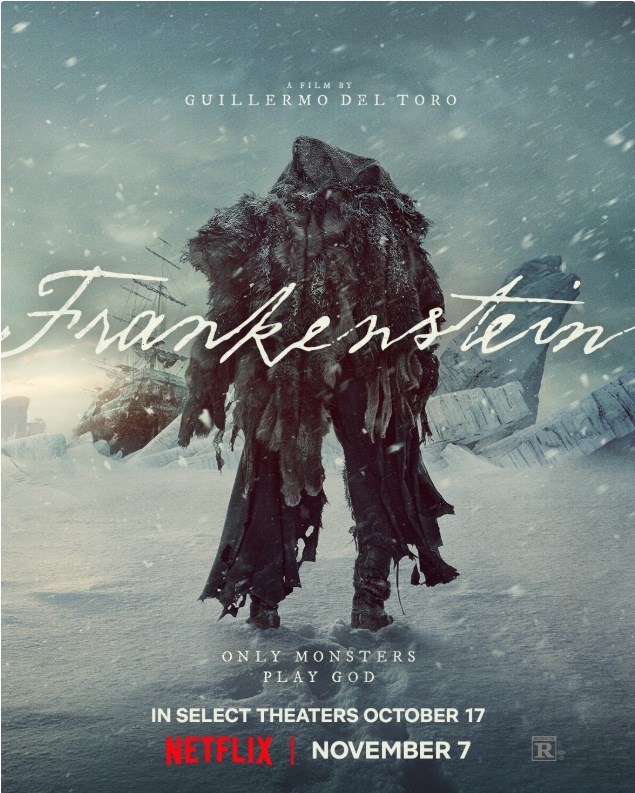
    I watched Guillermo del Toro’s Frankenstein last night, and as both a long‑time admirer of del Toro’s work and a devoted fan of Mary Shelley’s novel, I went in with high expectations.

    The film is visually stunning: every frame feels meticulously crafted, with gothic architecture, sumptuous interiors, and atmospheric landscapes that echo the novel’s mood. The performances are equally strong, with Oscar Isaac bringing intensity to Victor Frankenstein, Jacob Elordi embodying the Creature’s tragic presence, and Mia Goth reimagining Elizabeth in a role that diverges from Shelley’s original.


    Yet despite all this, I found myself slightly underwhelmed. The story is compelling, the themes resonate, and the acting is superb, but the film left me colder than I expected. The reason, I think, lies in its tone. Del Toro’s adaptation leans heavily into empathy and tragedy, softening the horror that defines Shelley’s novel. In the book, Victor is flawed but sympathetic, while the Creature inspires both pity and dread. Crucially, Shelley does not shy away from the monster’s vengeance: the murders of Victor’s brother William and his bride Elizabeth are shocking, chilling acts that cement the novel’s power.


    In del Toro’s version, Elizabeth exists but her relationship to Victor is reimagined, and the brutal wedding‑night murder is absent. This shifts the narrative away from horror toward melancholy. While the film succeeds in exploring themes of loneliness, humanity, and compassion, it loses some of the novel’s terrifying nuance. For me, that balance of sympathy and horror is what makes Frankenstein endure as a masterpiece of gothic fiction.


    Del Toro’s Frankenstein is undeniably beautiful and moving, but it trades the novel’s chilling edge for a more tragic, empathetic lens. Powerful, yes – but less haunting.

    Check out my review of the novel in my Five Favourite Creepy Stories post.

    You Possess Them… The Ghosts of Alice series

    “Twists and turns that weren’t predictable… good as a Christmas Eve ghost story”

    You possess them... The Ghosts of Alice

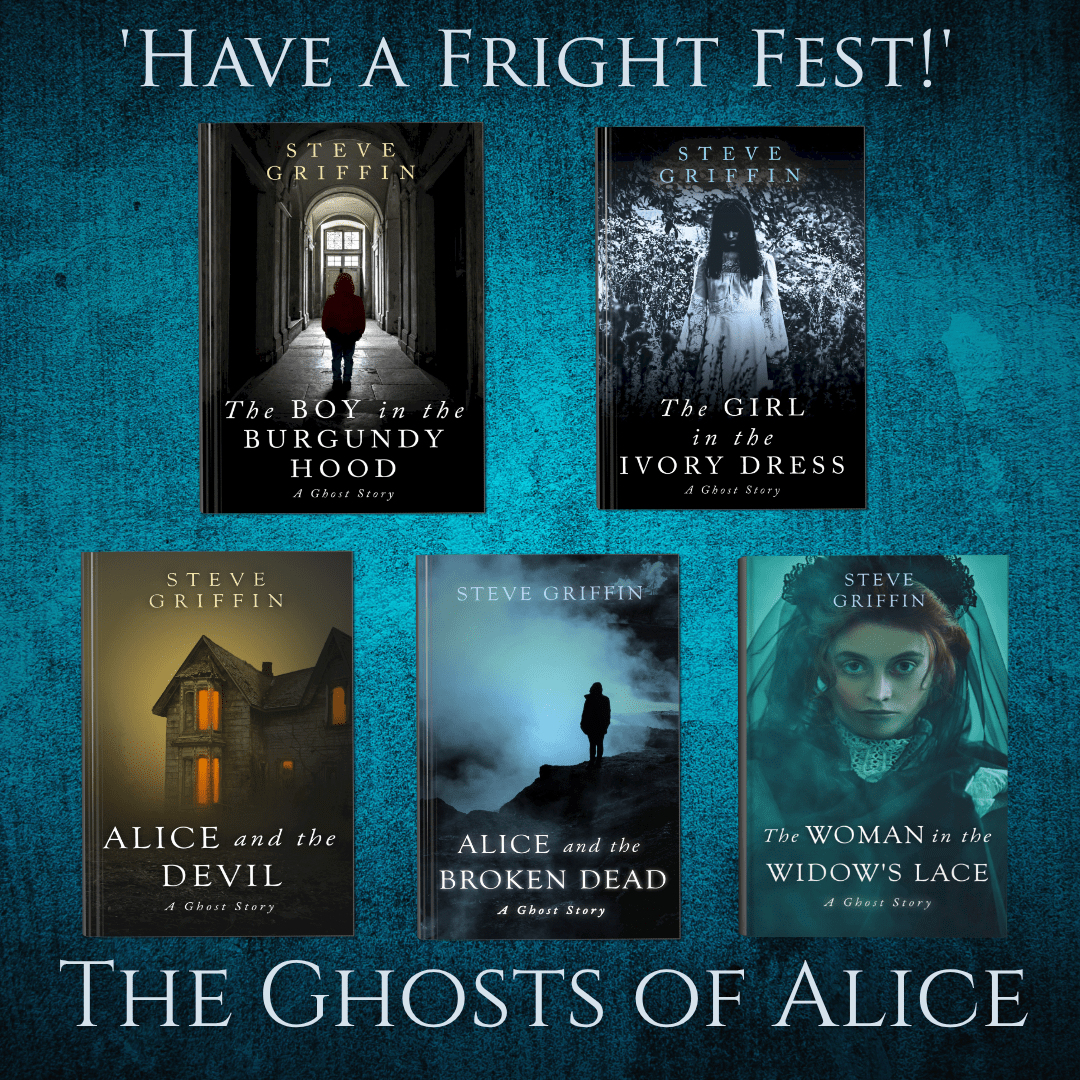
    The Ghosts of Alice series now spans five standalone ghost stories, each weaving together supernatural chills with the evolving journey of Alice Deaton.


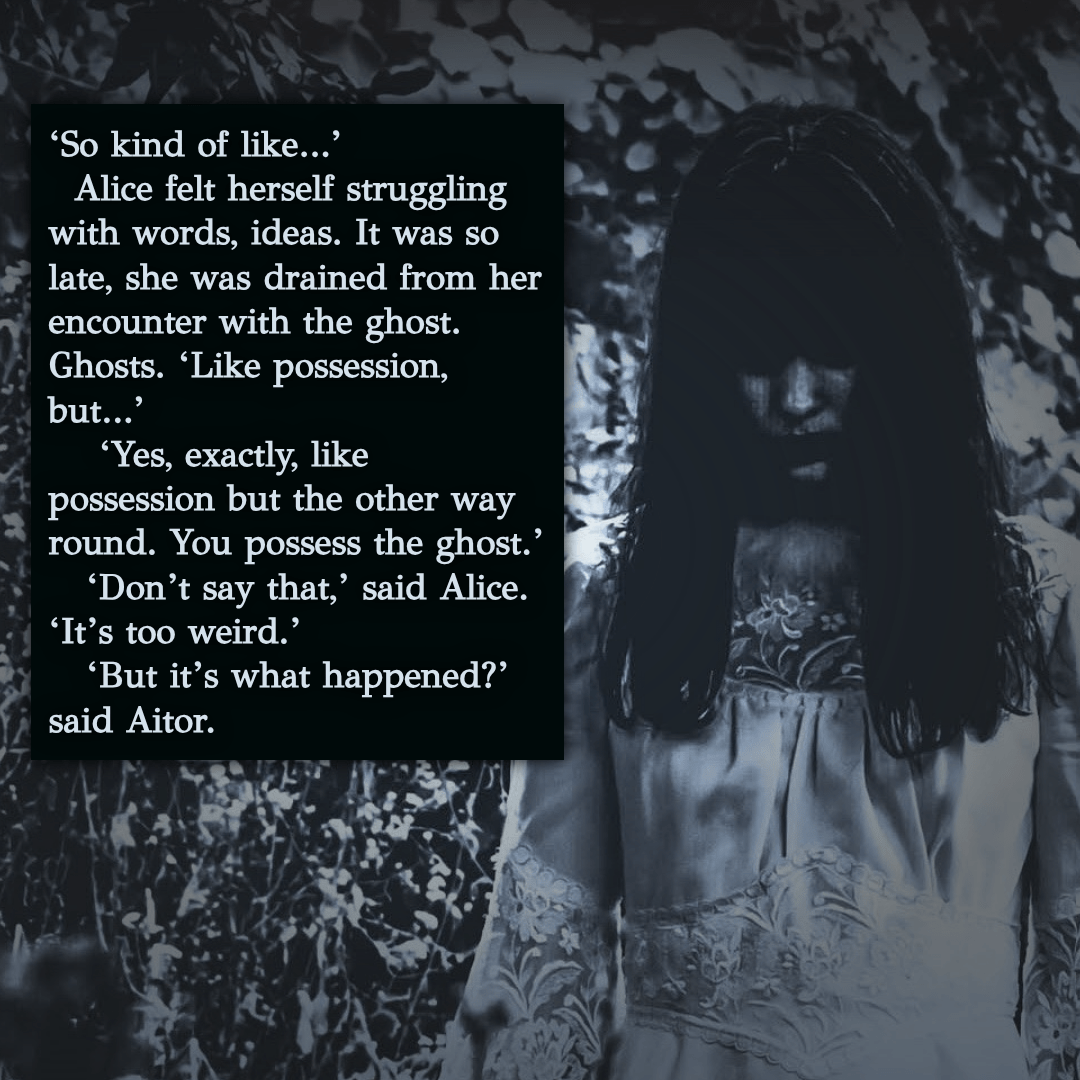
    Alice is no ordinary heroine. She has a rare gift: when she steps into the aura of a ghost, she experiences a vivid impression of the spirit’s past life. These haunting glimpses often hold the key to understanding why the dead linger, trapped between worlds. Her companion, Basque ghost hunter and machinist Aitor Elizondo, describes her talent as “possessing the spirit, rather than being possessed by them.”


    The series begins with The Boy in the Burgundy Hood, where Alice first discovers meaning in her strange, unasked-for ability. But as the books unfold, the mysteries deepen, the hauntings grow darker, and Alice’s own life takes unexpected turns.


    Each novel stands alone, yet together they chart Alice’s gradual transformation. Readers looking for atmospheric, spine-tingling tales to curl up with on long winter evenings will find themselves drawn into her world.

    If you’re ready for ghostly encounters, chilling revelations, and stories that linger long after the last page, explore The Ghosts of Alice series today – available now on Amazon.

    Have a fright fest! The Ghosts of Alice

    The Highlands, a Hangover, and a Christmas Ghost Story

    My latest Christmas ghost story, The Old Man of the Black, is set in the Scottish Highlands – an area I first began exploring in my early twenties while studying at Stirling University. The first mountain I climbed was Ben Lomond, coaxed into it by a group of mates who were keen hillwalkers. Unfortunately it was midwinter, thick with snow, and I’d been out on the tiles the night before. I quickly discovered that walking uphill for more than a few minutes is really, really hard. Doubly so when you’re hungover and the route has vanished into thick fog.

    After the first hour, I didn’t think I was going to make it. I was seriously considering heading back down alone. But one friend, hanging back from the others who were all taking it in their stride, kept me going. And then, just as I was about to give up, the clouds broke. Loch Lomond appeared below, dazzling in the sunlight. That sudden glimpse of immaculate silver gave me the push I needed to reach the summit.

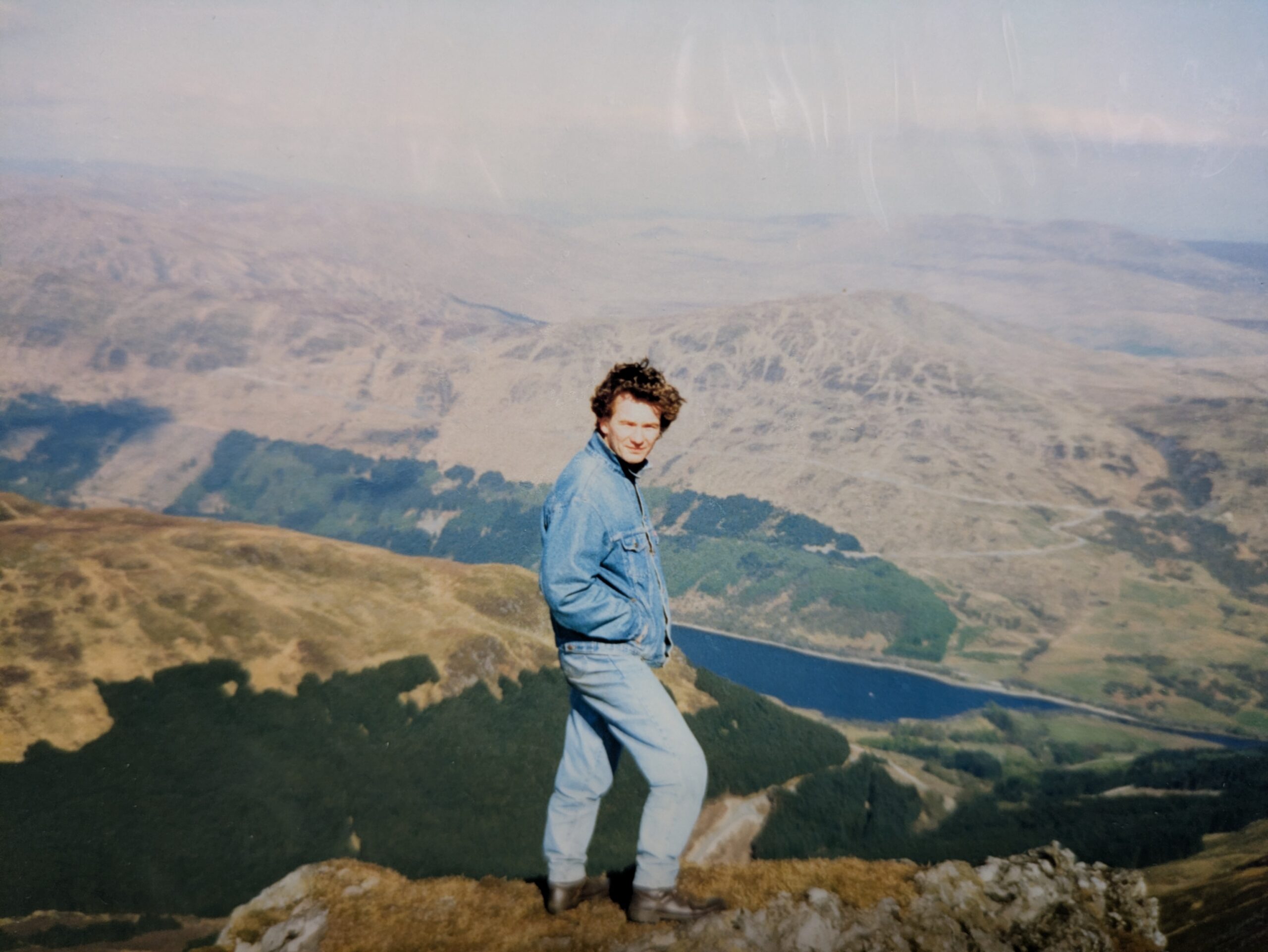
    At the top of Ben Lomond in the Highlands with a hangover
    At the top of Ben Lomond after a night on the tiles

    It might well have been my last hillwalking experience – mentally filed under “stunning views / too much hard work” – but a few weeks later, I let myself be persuaded to try again. This time it was Ben Ledi, supposedly an “easier” mountain. I hadn’t been drinking the night before (or not so much 😉), and the weather was glorious. We hiked through pristine pine forest to one of the most breathtaking views I’d ever seen, the land rippling out below us like a desert map. My mates, probably recognising my greenhorn status, didn’t push me too hard (they burned off their excess energy by timing themselves on sprints up sections of the trail).

    View from Ben Ledi, Scottish Highlands
    View from Ben Ledi

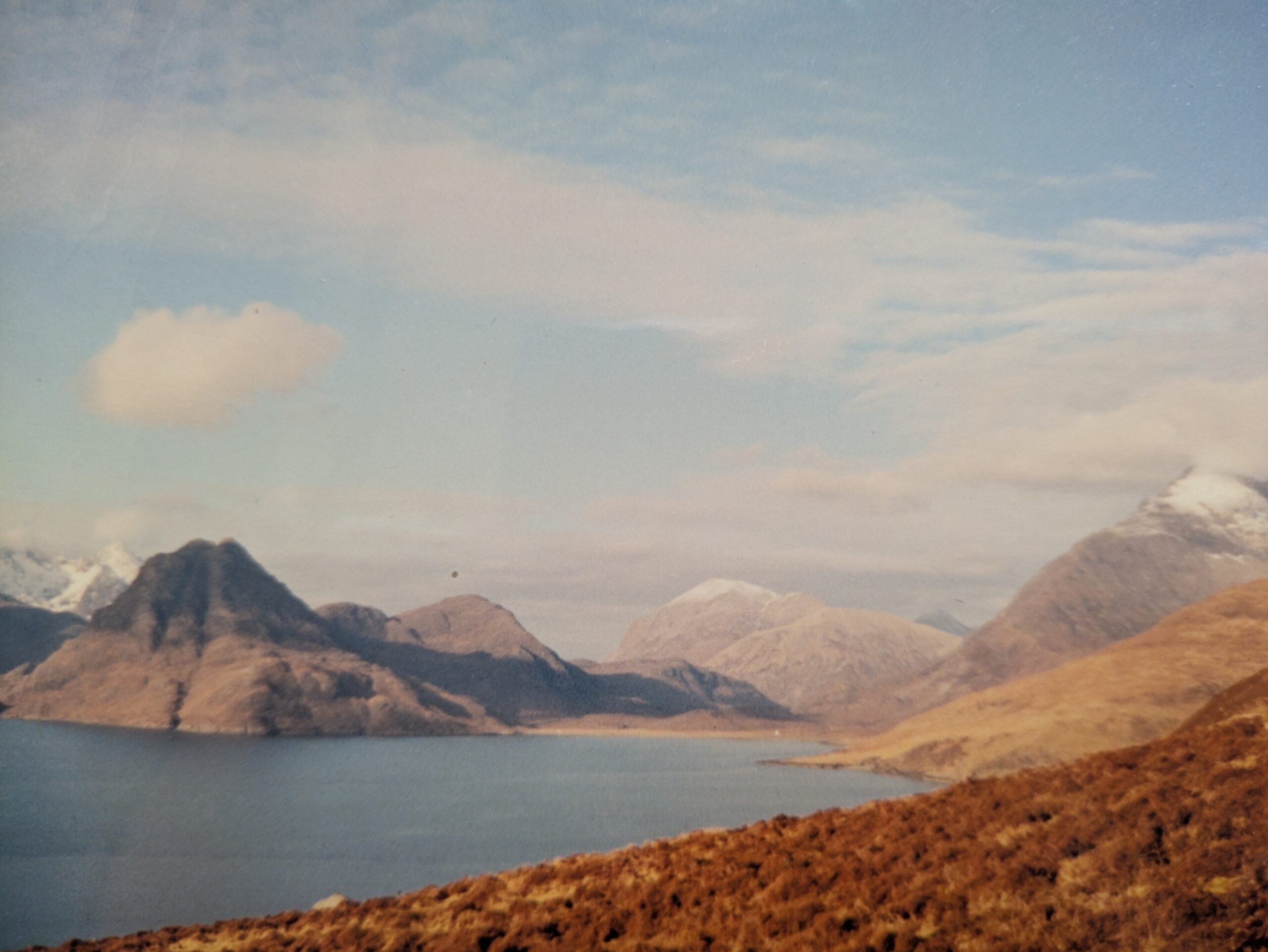
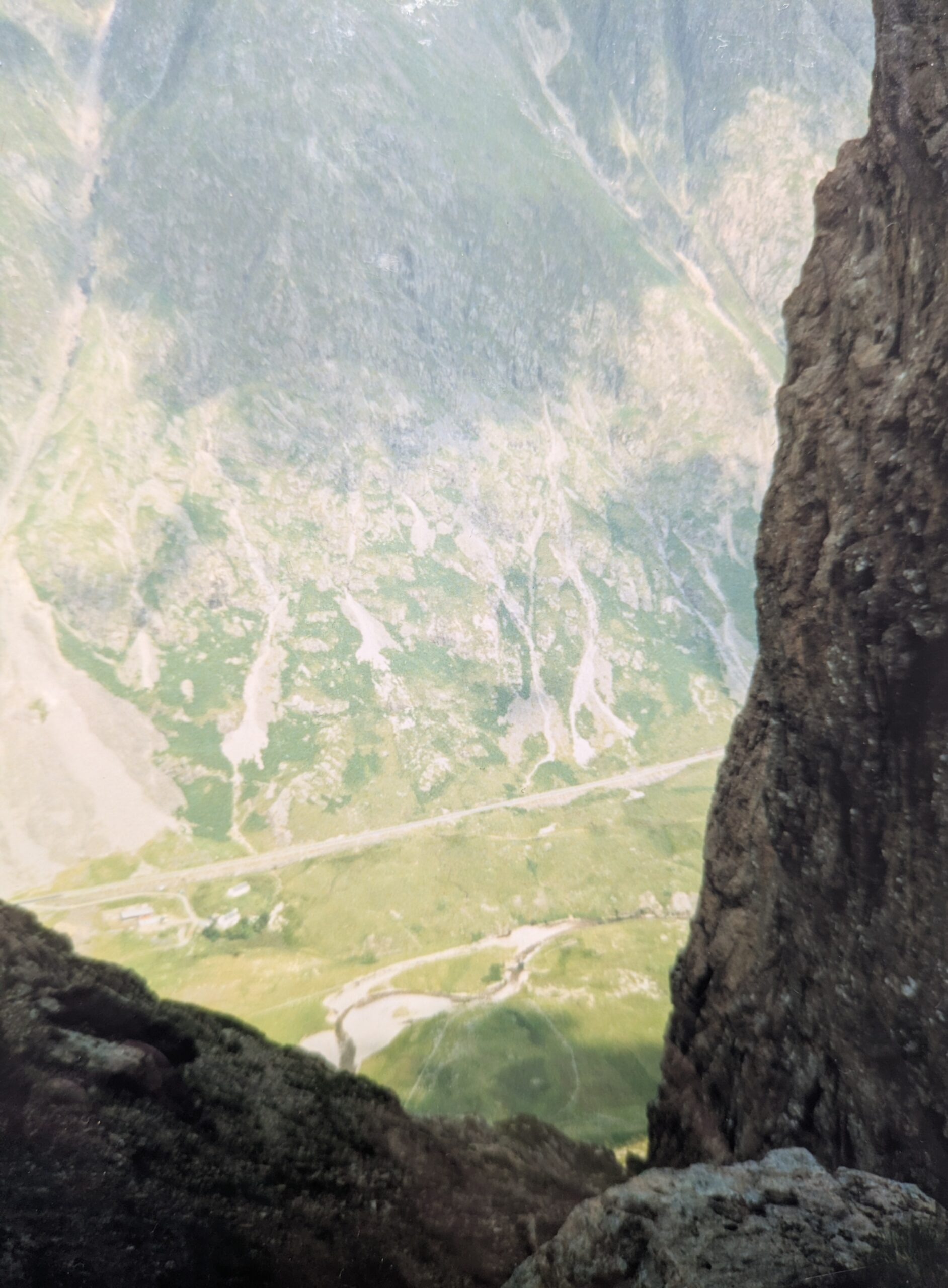
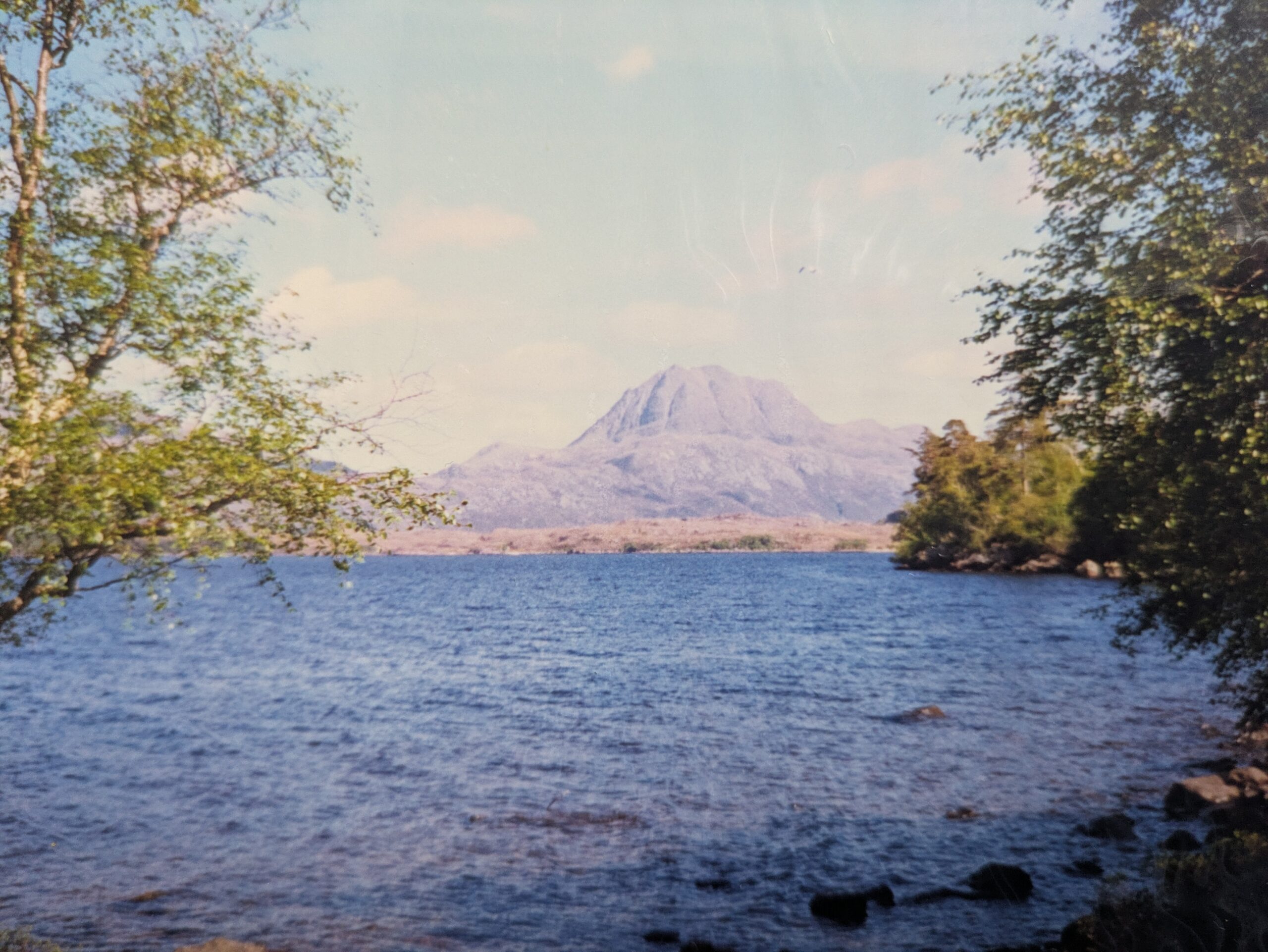
    I’m so glad I went on that second trip. It’s almost as if something in me knew how valuable hillwalking would be for me, and tricked me into giving it another go. From then on, I was hooked – heading out into the Highlands most weekends in the clapped-out old bangers of my hillwalking friends. Highlights included the Cuillin on Skye, Beinn Alligin in Torridon, and of course Glen Coe. One friend was a particular inspiration, full of stories about the hills and their names. We soon realised that if he didn’t know a story or translation, he’d just make one up – but it never mattered.

    The Cuillins of Skye
    The Cuillin of Skye
    Beinn Alligin
    Glen Coe

    When I began writing novels back in 2014, I always knew I’d set at least one in the Highlands. Now, with The Old Man of the Black, it’s job done!

    A blizzard. A haunted house. No way out. Get your copy of The Old Man of the Black: A Christmas Ghost Story here.

    *******************************************************

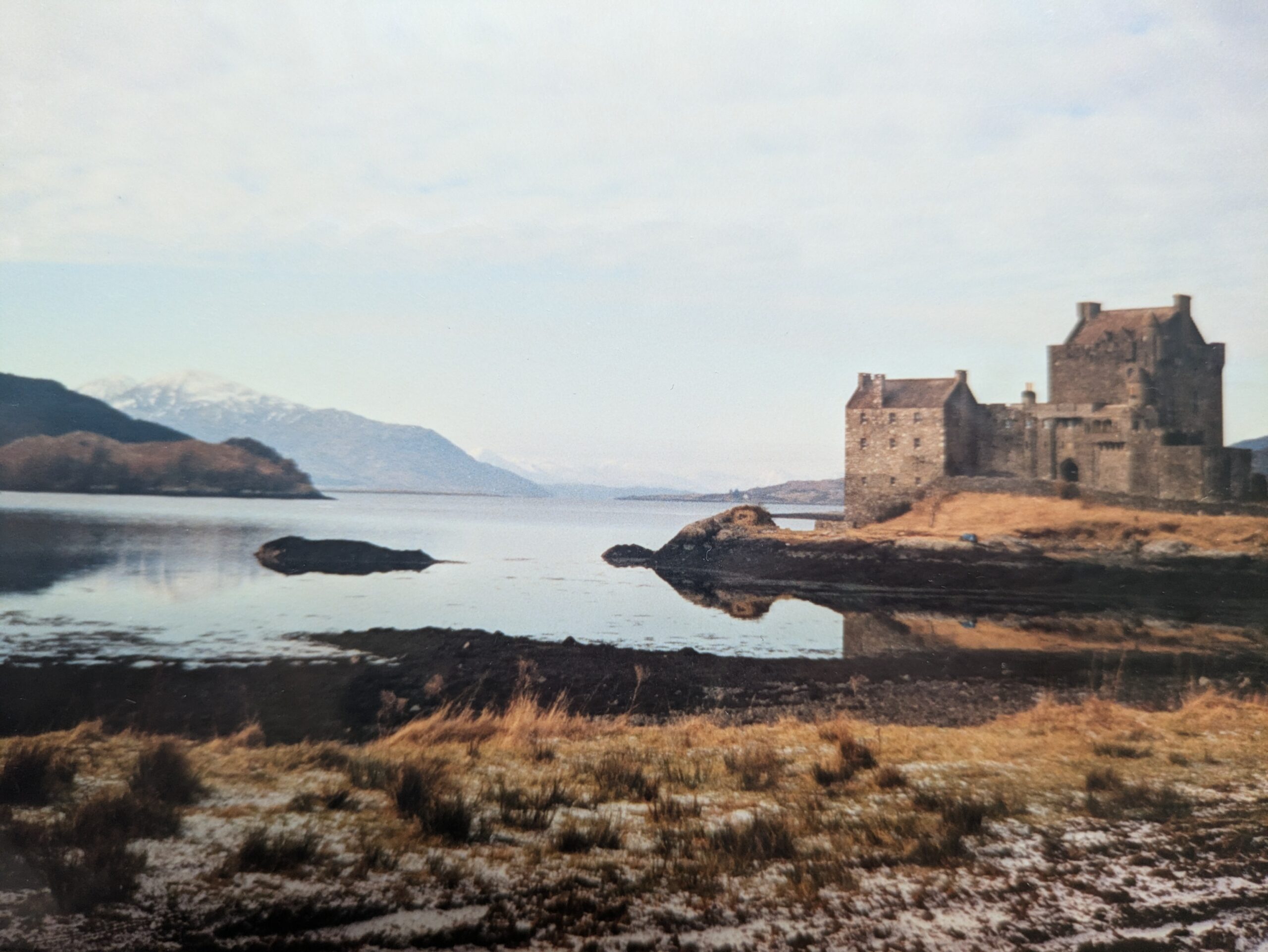
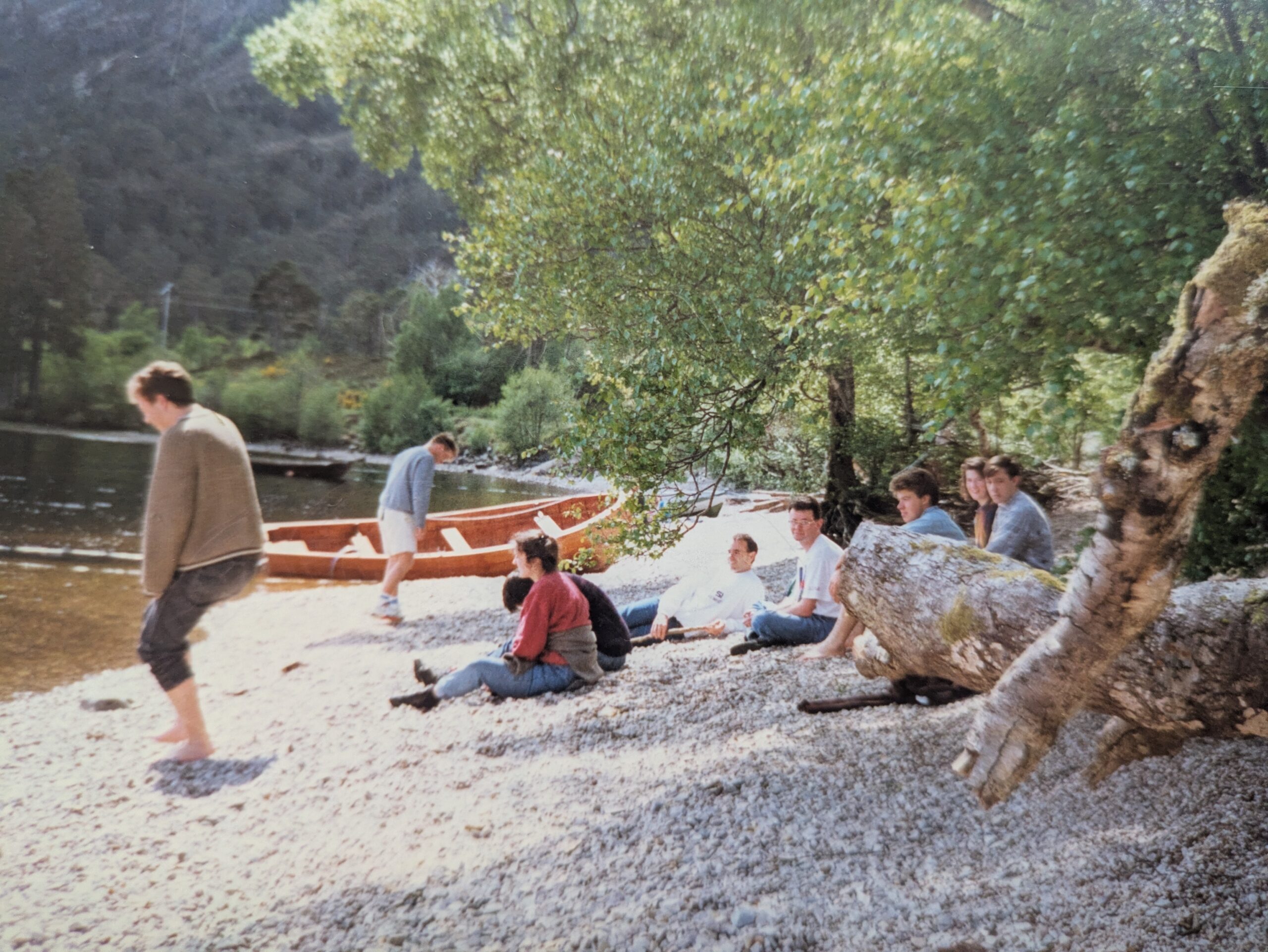
    As you can probably tell, these photos weren’t taken with a phone – they were taken with an old Canon print camera back in the 1990s. Here’s a few more from that year:

    Eilean Donan
    Ellean Donan
    Glen Coe
    Glen Coe
    Glen Nevis, Highlands
    Glen Nevis – spot mum!
    Loch Gairloch
    Loch Gairloch
    On the shore of Loch Gairloch
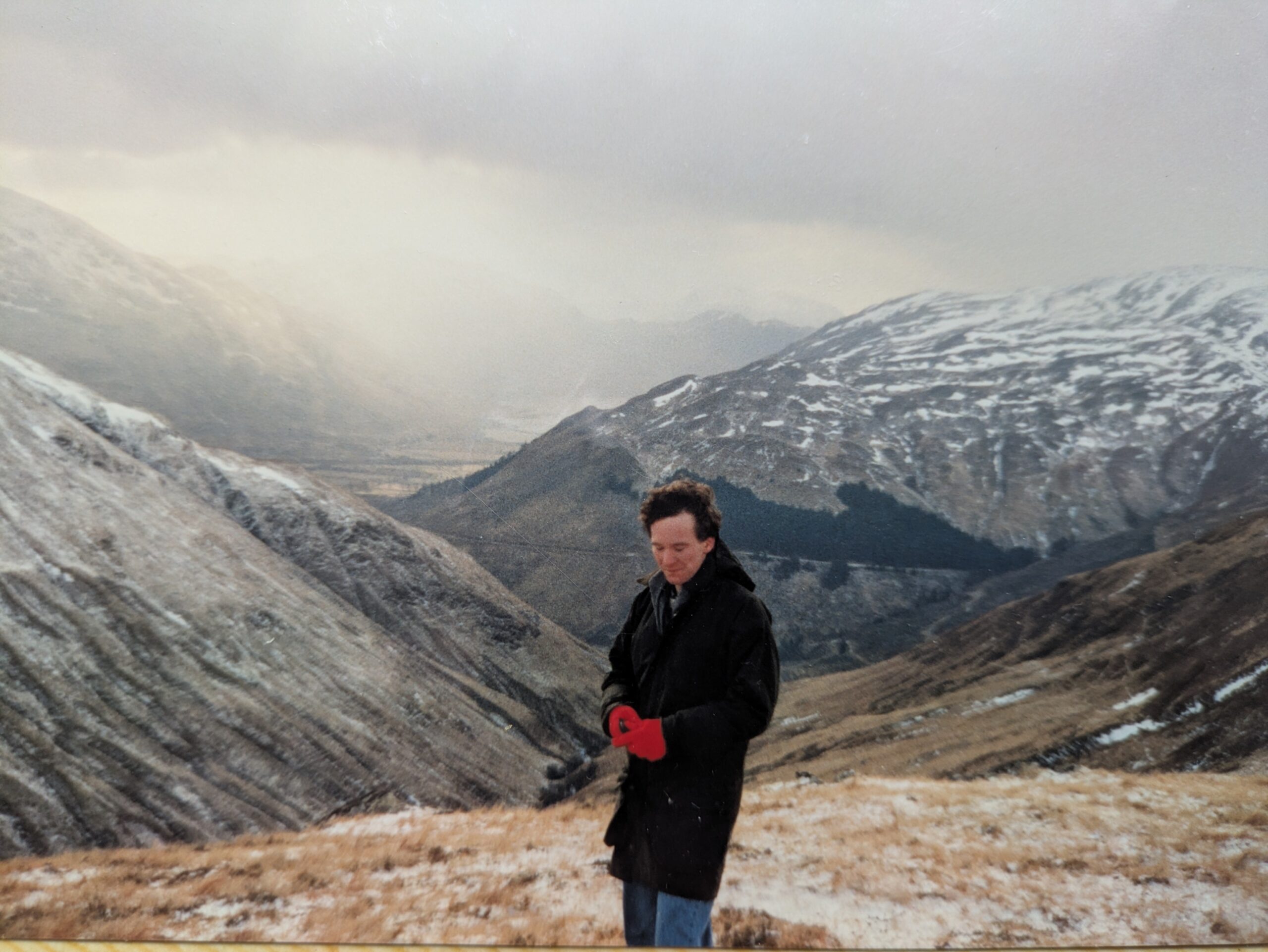
    The Red Gloves
    The Red Gloves

    The Old Man of the Black: A Christmas Ghost Story: Out Now!

    I’m thrilled to announce the release of my latest ghost story, The Old Man of the Black – a Christmas Ghost Story set in the remote Scottish Highlands.

    A blizzard. A haunted house. No way out.

    Ryan’s last delivery before Christmas takes a deadly turn when a Highland storm forces him off the road. Stranded, he returns to Ashcraig Grange – a remote mansion with one inhabitant: the enigmatic Rose.

    But the house holds more than secrets. As night falls, ghostly horrors awaken, and Ryan must face the chilling truth: escape isn’t an option. Trapped by snow and surrounded by spirits, Ryan and Rose must find a way to survive until morning…

    The Old Man of the Black: A Christmas Ghost Story - out now!

    If you enjoy supernatural thrillers with a wintry twist, this one’s for you. It’s packed with atmosphere, suspense, and a slow-building sense of dread – perfect for lovers of Michelle Paver, Stephen King and Susan Hill!

    The Old Man of the Black: A Christmas Ghost Story is available now in paperback and ebook. Click here to view on Amazon – and don’t miss the special Launch Price of £1.99 / $2.99 if you’re buying the Kindle version! (Full price £2.99 / $3.99)

    Thank you for your continued support – and if you enjoy the book, a quick review makes a huge difference.

    Wishing you a spine-tingling start to the season!

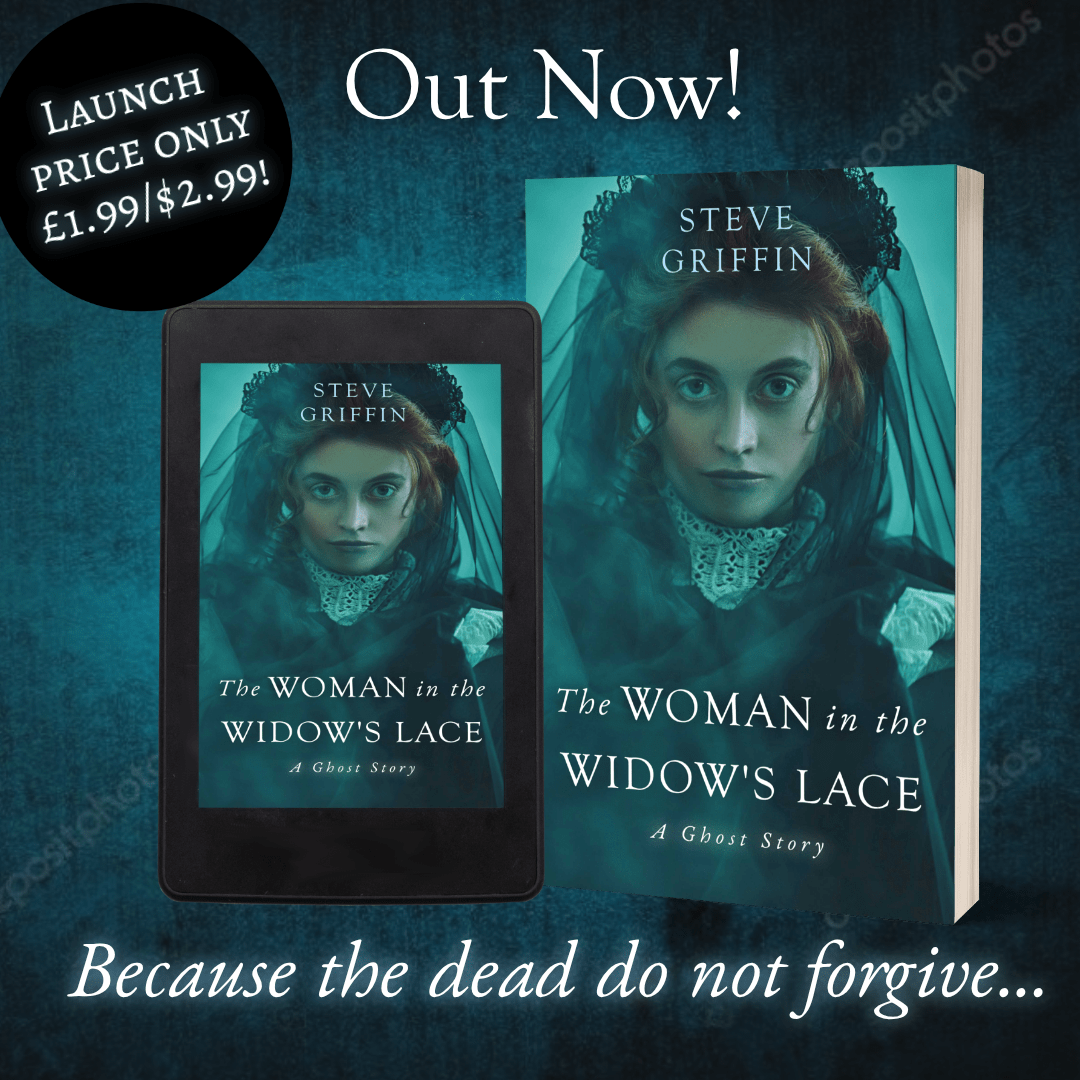
    The Woman in the Widow’s Lace – out now!

    I’m excited to tell you The Woman in the Widow’s Lace is out now, in good time for spooky season – don’t miss the introductory price of £1.99 / $2.99 on Kindle!

    The Woman in the Widow's Lace - urban gothic


    Here’s what to expect:

    Because the dead do not forgive…

    Unable to find work, Alice Deaton, with her unique ability to interact with the dead, takes on a lead role in a psychic show touring London. When a young woman with a knife brings chaos to the inn where she’s performing, Alice finds herself drawn by the woman’s aunt into a dark and disturbing mystery. Her search leads her to an old city bookshop, where she encounters a sinister spirit – the woman in the widow’s lace. Who is this harrowing entity, and what does she want from the living?

    Set in the sprawling streets of London, Alice’s latest mystery will test her to her limits, as she realises she may be playing an unwitting role in the ghost’s twisted – and increasingly deadly – intentions…

    This latest standalone book in The Ghosts of Alice series is available now on Amazon, in Kindle and paperback formats – AND for one week only the Kindle edition has a launch price of £1.99 / $2.99 (£2.99/$3.99 full price from 4 Oct) – or read for free on Kindle Unlimited!

    Get your copy here.

    Why do we write?

    Why do we write? There are lots of reasons – escape, thrills, status, defence, insight, creating a portal to new worlds…

    why do we write?

    For me, writing creates a magical space between the world and my mind that I hunger to explore. It helps me appreciate the real world and to value myself and my imagination.

    Our perception of the world is often seen as a generative or co-creative process. We don’t see what’s undeniably just there – we see through the mind of a human, which comes with sensory and cultural abilities and limitations. What’s just there is immense, unfathomable to the human mind, but our science, spirituality and ever-guessing imaginations can help us to constantly grow our appreciation of what’s real, what’s not and, most importantly, what might be.

    Writing mirrors this interdependent co-creation between our minds and external reality (or realities). Authors create a cinematic reel – a multi-dimensional illusion of reality including the behind-the-scenes working of hearts and minds – which both absorbs and empowers a reader’s imagination. In the process, it’s critical to avoid anything that breaks that reel, such as clunky metaphors, poor editing and typos.

    At its best, the process of writing feels akin to revelation to me – you get absorbed in your own story and a sense of amazement at how, like us, it is always driven on, always becoming, with the best (more often than not) just round the corner. This is a satisfying experience, one that is often referred to as ‘flow.’

    Flow is why I love writing. If you’re an author, tell me what you love about writing.

    If you’re interested in my writing experience as an indie author and want to learn more about the process of writing, publishing and marketing, check out my new book Indie Author: An Introduction on Amazon.

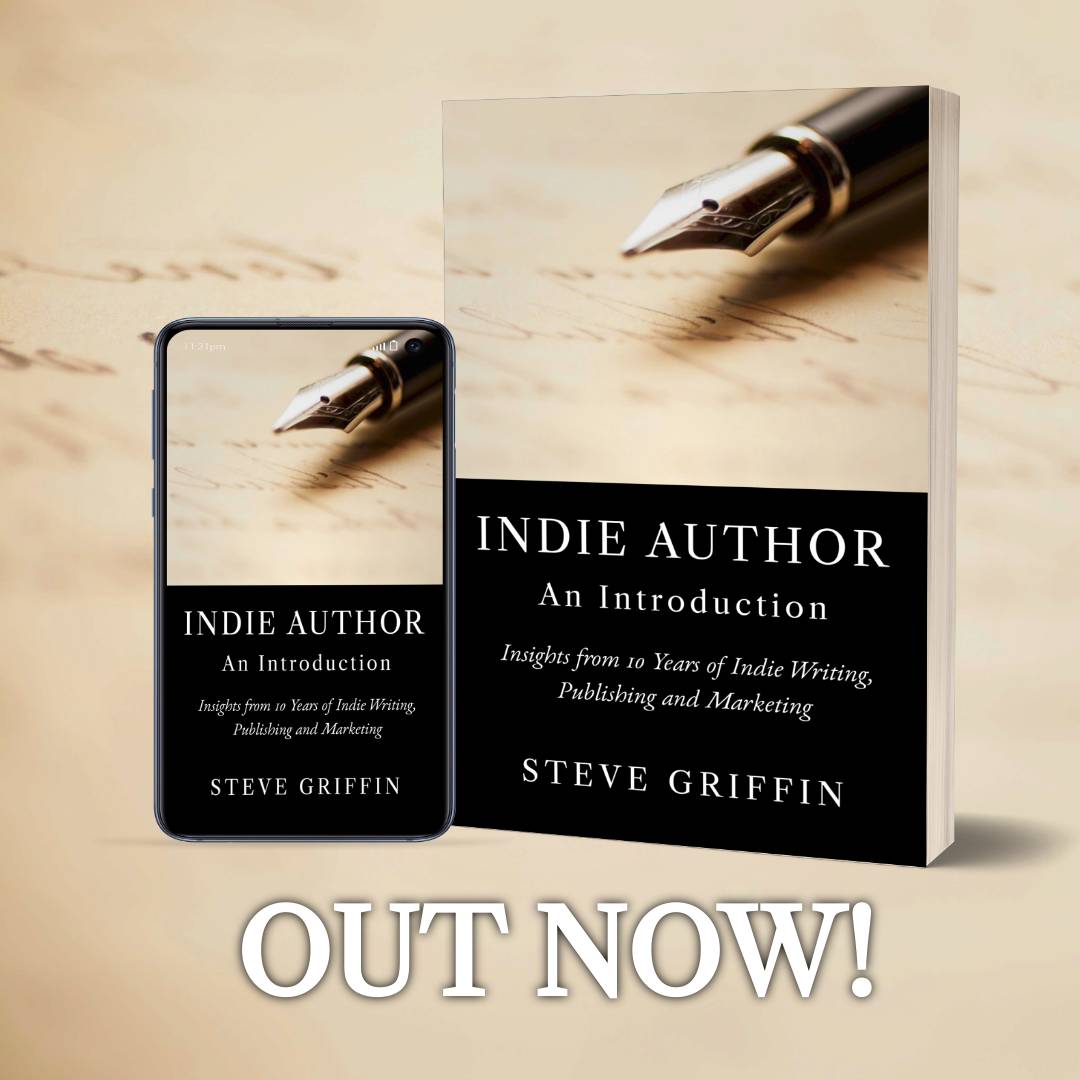
    Indie Author: An Introduction – New Release!

    My news today is of a surprise new release about writing and publishing. Indie Author: An Introduction shares insights from my first 10 years of writing, publishing and marketing books. Designed to appeal to the writers (and aspiring writers) among you, it is (importantly) a short guide to the whole process. I say importantly because, if you’re like me, you’ll experience a sinking sensation at the prospect of reading hundreds of pages of a book that typically only focuses on one of these three topics.

    I wanted to create a quick, easy read that shares my own personal passion for writing as well as giving insights I’ve had along the way. I’m no writing or marketing guru, but I want to help you avoid some of the mistakes I’ve made. There’s also a checklist for publishing, some key book promotion sites, and ideas for social media posts.

    Indie Author: An Introduction

    Here’s the full blurb:

    Indie Author: An Introduction

    Insights from 10 Years of Indie Writing, Publishing and Marketing

    Want to know more about indie publishing but don’t know where to go? Put off by all those lengthy guides on marketing and writing advice?

    This guide condenses 10 years of experience into a short, handy read, giving you insights into:

    Writing – how to keep it tight, focusing on character & suspense

    Publishing – how to do it yourself, with a focus on Amazon

    Marketing – sharing learning on Amazon and Facebook ads and how to sales stack

    Drawing on his experience of writing 14 books, Steve Griffin helps you avoid the pitfalls of indie publishing and keep the joy in your writing.

    Click here to view on Amazon.

    Dickens: Things You Might Not Know

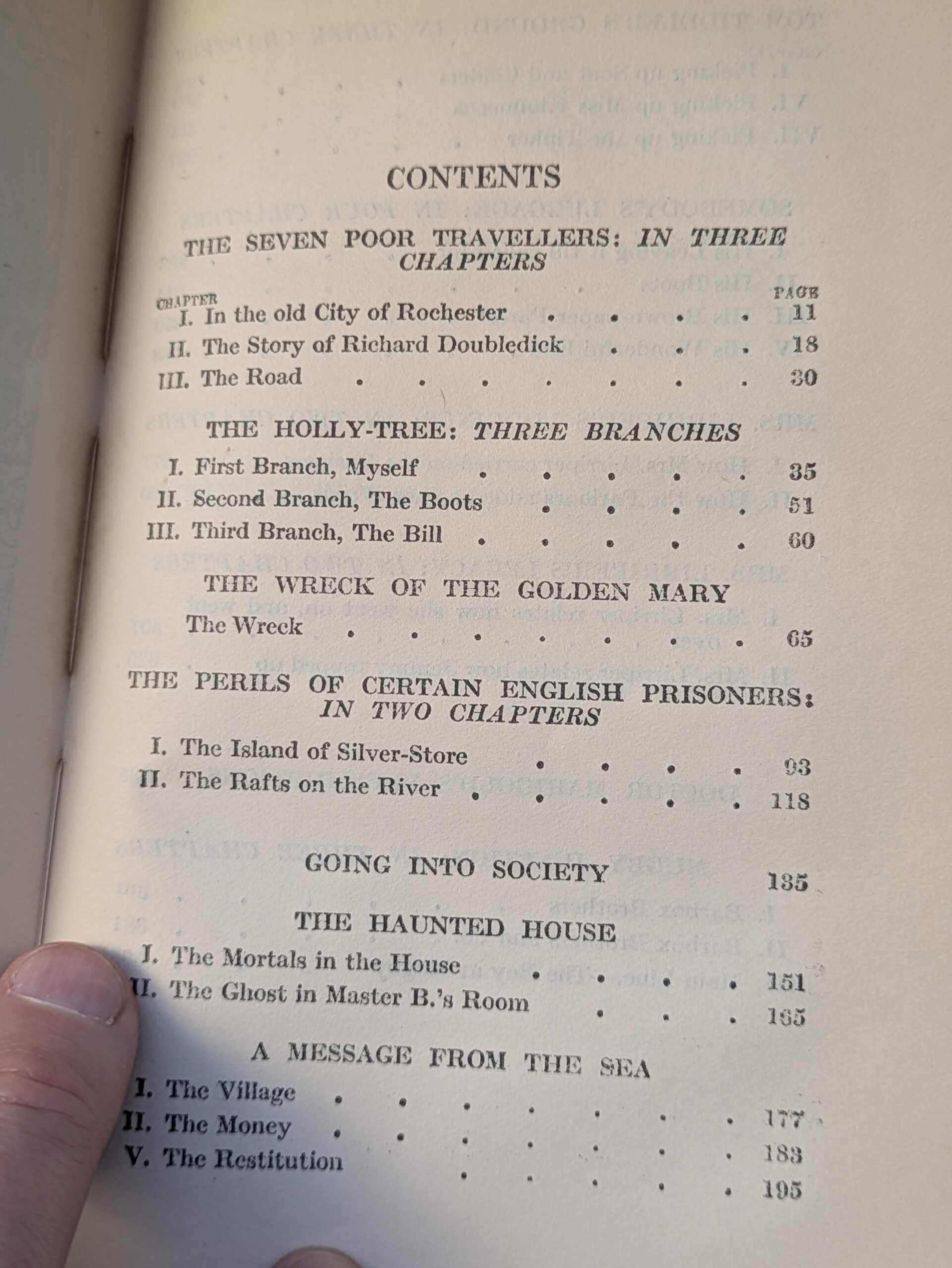
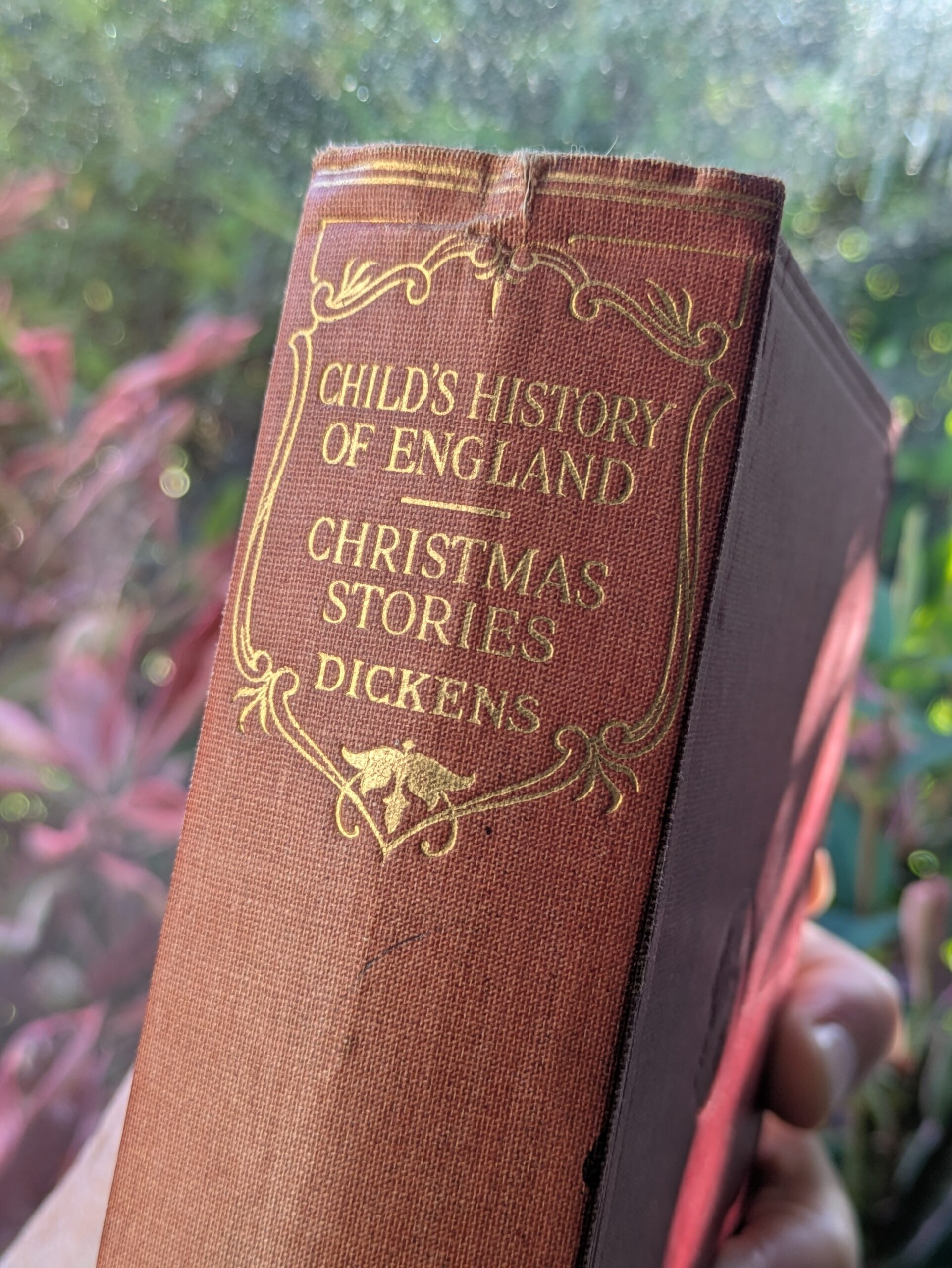
    Did you know A Christmas Carol was just the first of many Christmas books by Dickens? And whilst their quality was not as good as A Christmas Carol, they all made more money for him. This was because his publishers chose not to invest as much in the quality and wrapping of the later books, which Dickens had insisted upon for the first.

    Christmas Stories Dickens


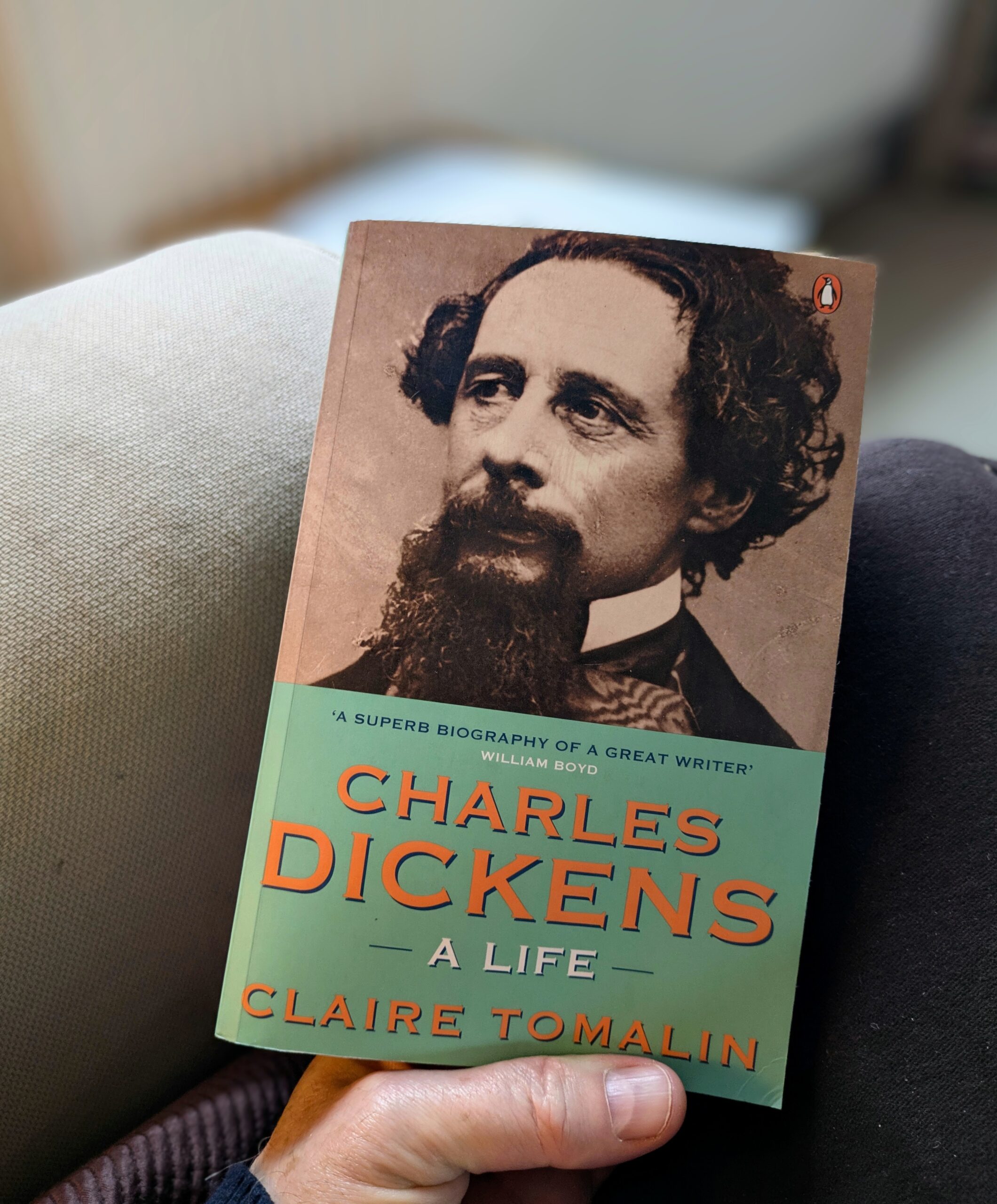
    I was surprised how little I knew about Dickens before I read the remarkable biography by Claire Tomalin recently. He was more complex than I’d realised. Here’s some highlights of things I found out about him.

    Facts about Dickens

    • At the age of twelve, he was sent away by his wayward father and not-much-better mother to live alone and earn an income to support them by labelling pots of blacking for shoes in a factory on the Thames. In an untypical inversion of social mores, his sister Fanny was sent to the Royal Academy for Music because of her talent playing piano.
    • His father was hopeless with money and was imprisoned in the Marshalsea for debt.
    • Dickens had irrepressible energy. He would write, set up magazines, host parties, meet dignitaries (including the Prime Minister, famous writers, and the Queen), and drink and dance the hornpipe until the early hours. He shared his time between dwellings in London and Kent.
    • He took long walks each night after working, frequently touring the less salubrious areas of London, where he found rich material and characters for his writing. He often clocked up 12 miles or more.
    • As his fame grew, and especially after he started doing paid readings, he toured relentlessly. He toured America twice.
    Charles Dickens book cover
    • Initially he was excited to visit the States, where he was given an ecstatic reception upon arrival at Boston. But his relationship with the country soured because there was no copyright law so he didn’t get paid a penny for his works initially, which sold in their thousands. When he brought the issue up, the press turned against him accusing him of colonialism.
    • He had 10 children with his quiet but loyal wife Catherine, most of whom had ineffectual and hapless lives.
    • He was a big drinker and raised the spirits at his parties with his own gin punch.
    • He left Catherine in middle age when he fell in love with an 18-year-old girl, Nelly Ternan, with whom he had an enigmatic relationship for the rest of his life. He was heartlessly dismissive of his children who sided with their mother, especially his firstborn son, Charley. As his spirited daughter Katey said, ‘My father was like a madman when my mother left home. This affair brought out all that was worst—all that was weakest in him. He did not care a damn what happened to any of us. Nothing could surpass the misery and unhappiness of our home.’
    Dickens's Christmas Stories content page
    • He was involved in a train crash on a viaduct at Stapleton, in which many died and he had to scramble out of the window of his teetering carriage. He helped others caught and injured in the train, then put Nelly and her mother on the next train to London to avoid scandal.
    • He supported the cause of the poor on a political and practical level, investing vast amounts of time and money in helping those in need. With the wealthy banker Ms Coutts, he established a home for prostitutes, helping them gain self-reliance and a range of skills and, if they wished, supporting them to emigrate to Australia.
    Dickens's Christmas Stories spine

    A Growing Interest

    I’ve been increasingly interested in Dickens over the last few years. Some believe he’s a greater writer than Shakespeare. I’ve been reading more about him recently because I’m doing research for the latest Ghosts of Alice novel. His writing was often gothic and, alongside A Christmas Carol, he wrote several ghost stories, including the chilling The Signalman.

    I’m lucky to have inherited a complete set of Odhams Press editions from 1934 from my great-grandmother, who was a passionate fan. My favourite Dickens novel is Little Dorrit. We struggled through it for English A level, but I’m glad we did as it’s seeped into me and I love it. (As an aside, the BBC TV series is fabulous and I urge you to watch it.)

    Leave a comment if you’re a Dickens fan, and let me know which of his books is your favourite!

    Charles Dickens biography Tomalin

    Flattery, not force

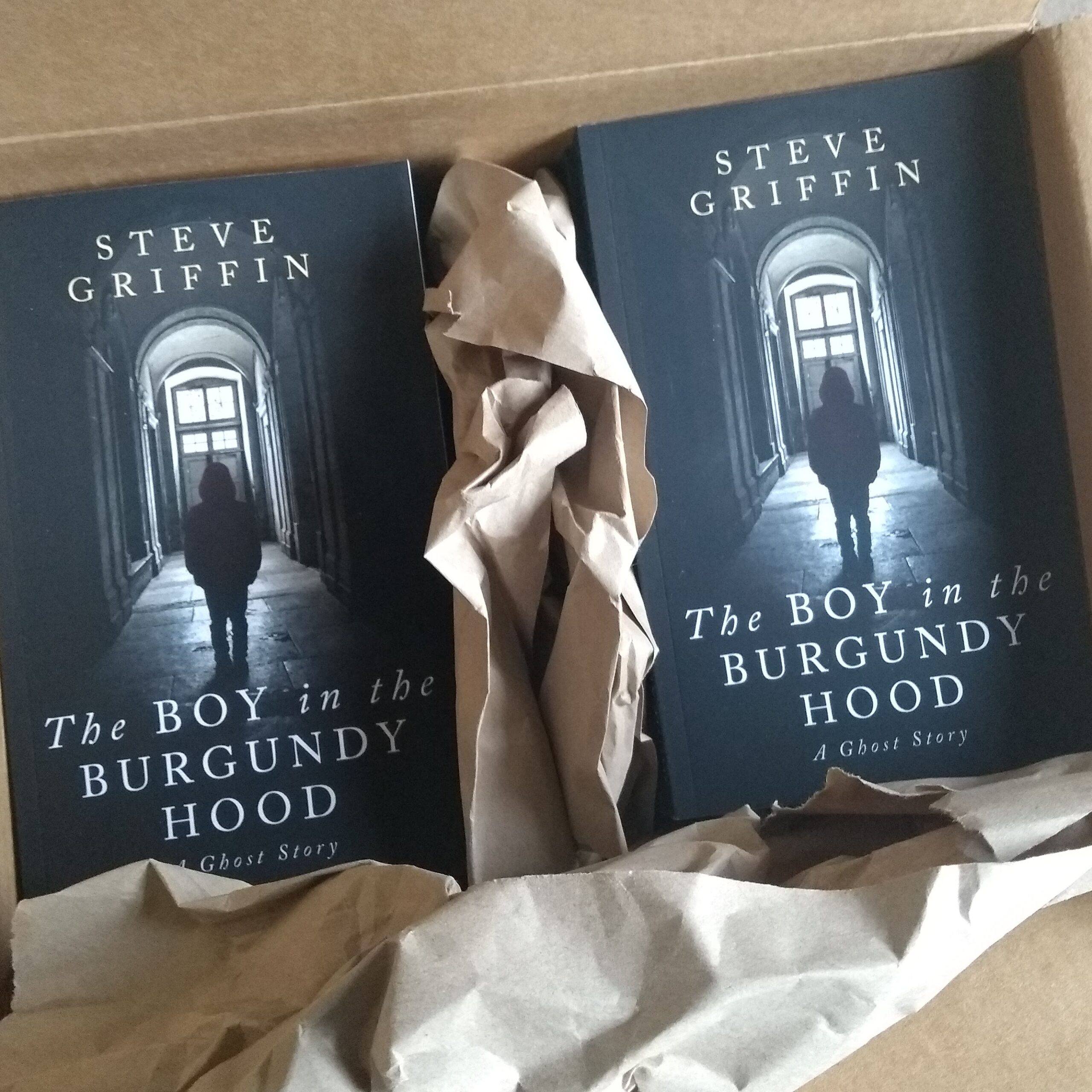
    I asked Copilot how my first ghost story, The Boy in the Burgundy Hood, compared to other ghost stories (it suggested I ask it that). Here’s what it said:

    “The Boy in the Burgundy Hood by Steve Griffin stands out in the realm of ghost stories for a few reasons:

    1. **Atmospheric Setting**: The ancient English manor house in the book is richly described, creating a haunting and immersive backdrop that is essential for a compelling ghost story.
    2. **Character Development**: The protagonist, Alice Deaton, is well-developed and relatable, making readers more invested in her journey and the eerie experiences she encounters.
    3. **Subtle Suspense**: The story builds suspense gradually, with mysterious occurrences that keep readers on edge without relying on overt scares or gore.
    4. **Historical Elements**: The book weaves in historical elements that add depth and authenticity to the ghostly tale, enhancing the overall reading experience.

    When compared to other ghost stories, such as Susan Hill’s The Woman in Black or Shirley Jackson’s The Haunting of Hill House, Griffin’s work offers a unique blend of suspense, character development, and atmospheric detail. While it may not have the same level of psychological horror as Jackson’s work or the gothic intensity of Hill’s novel, it provides a satisfying and engaging ghost story experience that fans of the genre are likely to enjoy.

    Have you read any of these other ghost stories? I’d love to hear how you think The Boy in the Burgundy Hood compares! 📖👻”

    I was flattered by such comparisons, of course. And then I realised this is all part of the grand scheme, isn’t it? I don’t know whether it knew I was the author (I wasn’t logged in), but even so, I’ve always been impressed by how polite and friendly the responses from AI are, how they lead you into more questions from which they learn more. They won’t be taking over by force, but flattery…😱