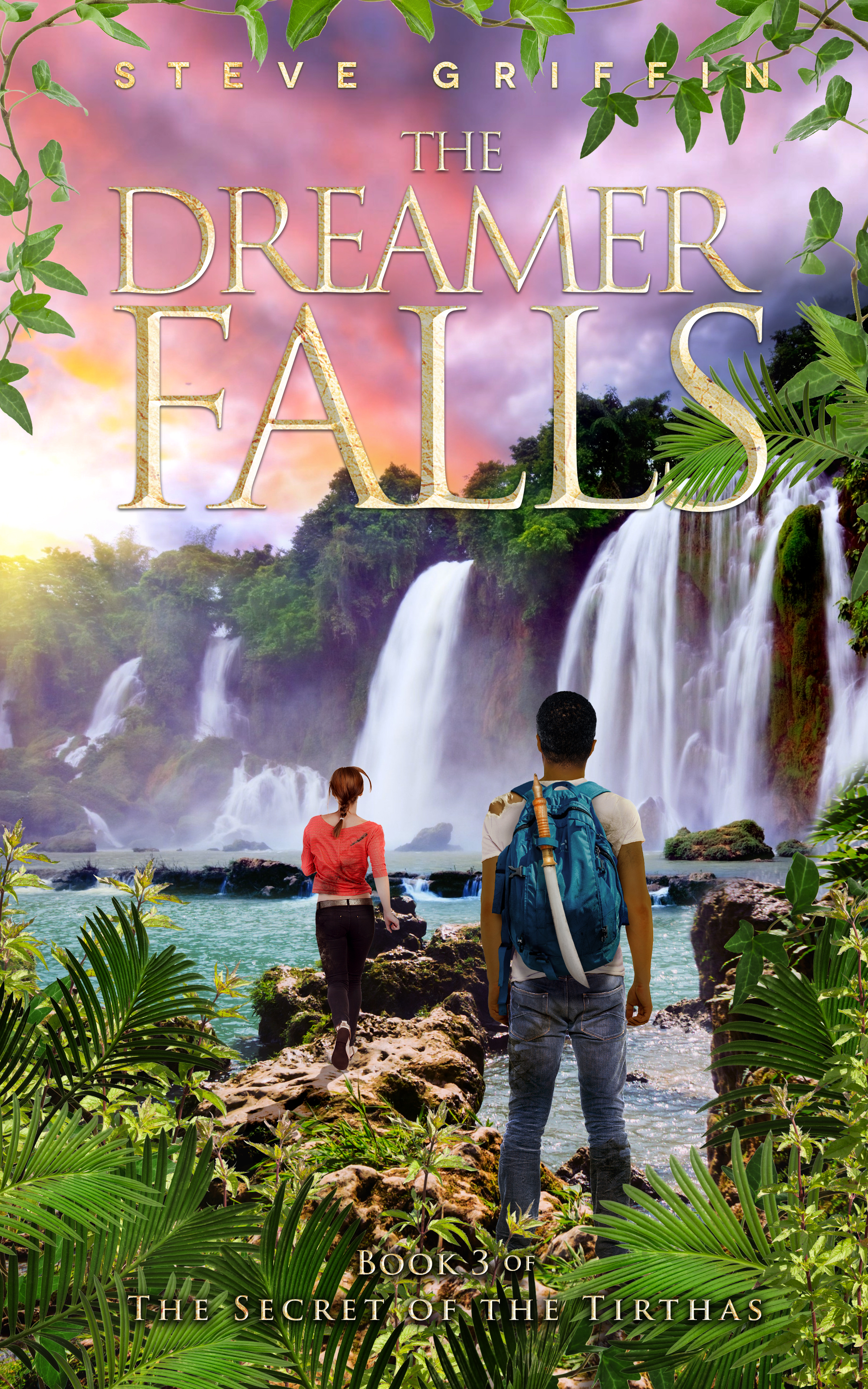
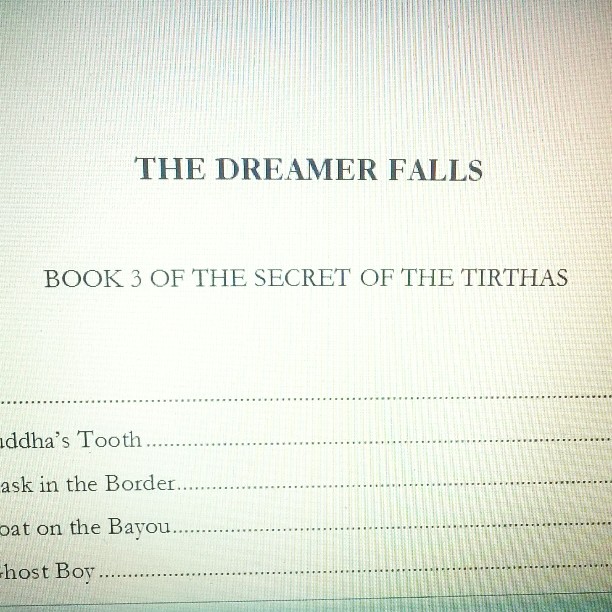
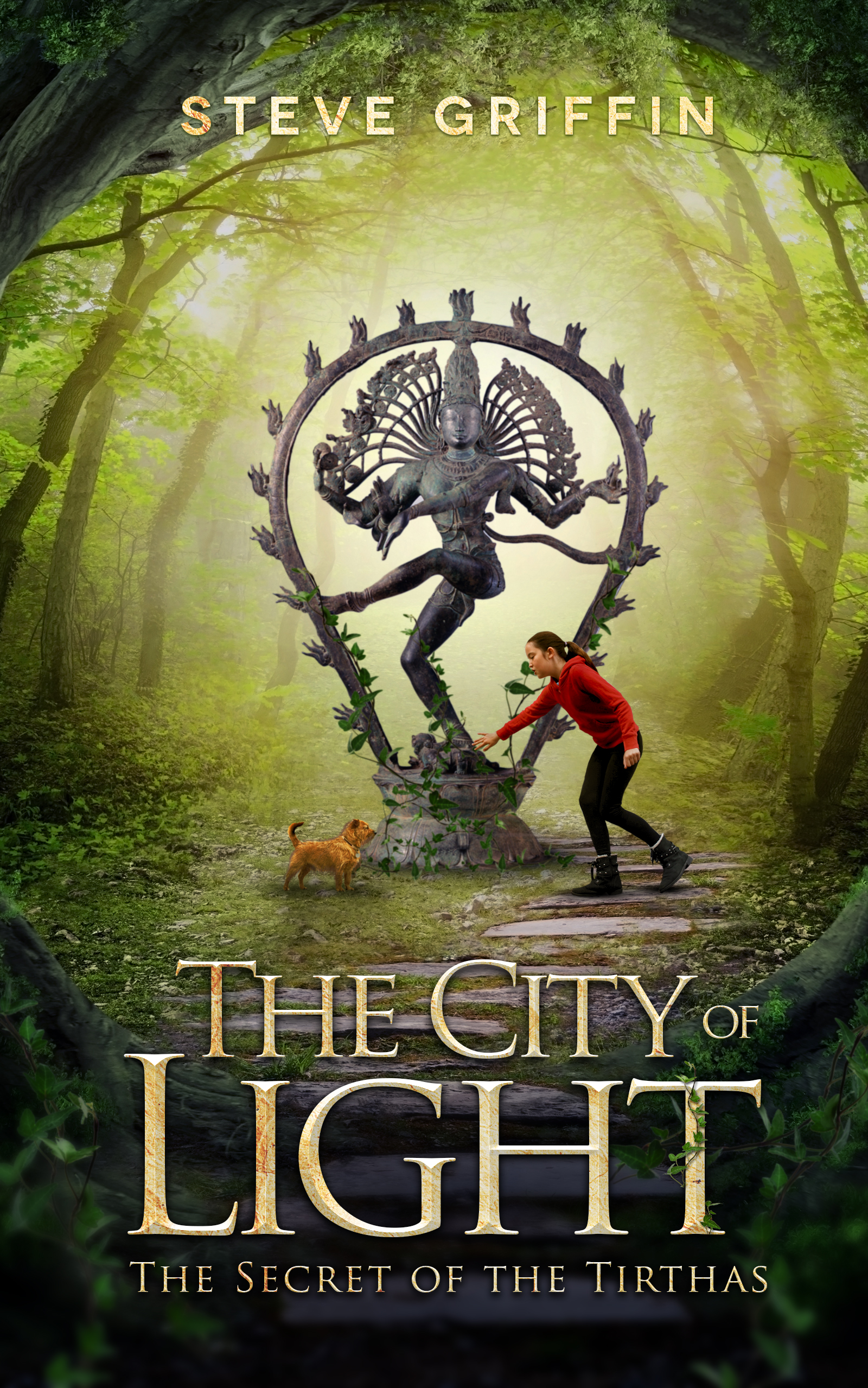
Here’s the final cover for The Dreamer Falls, the third book in The Secret of the Tirthas. I’m very happy with this. What do you think? I’m doing a final proofread at the moment and aiming for the book to be out in the next 3-4 weeks. A perfect read for the beach!
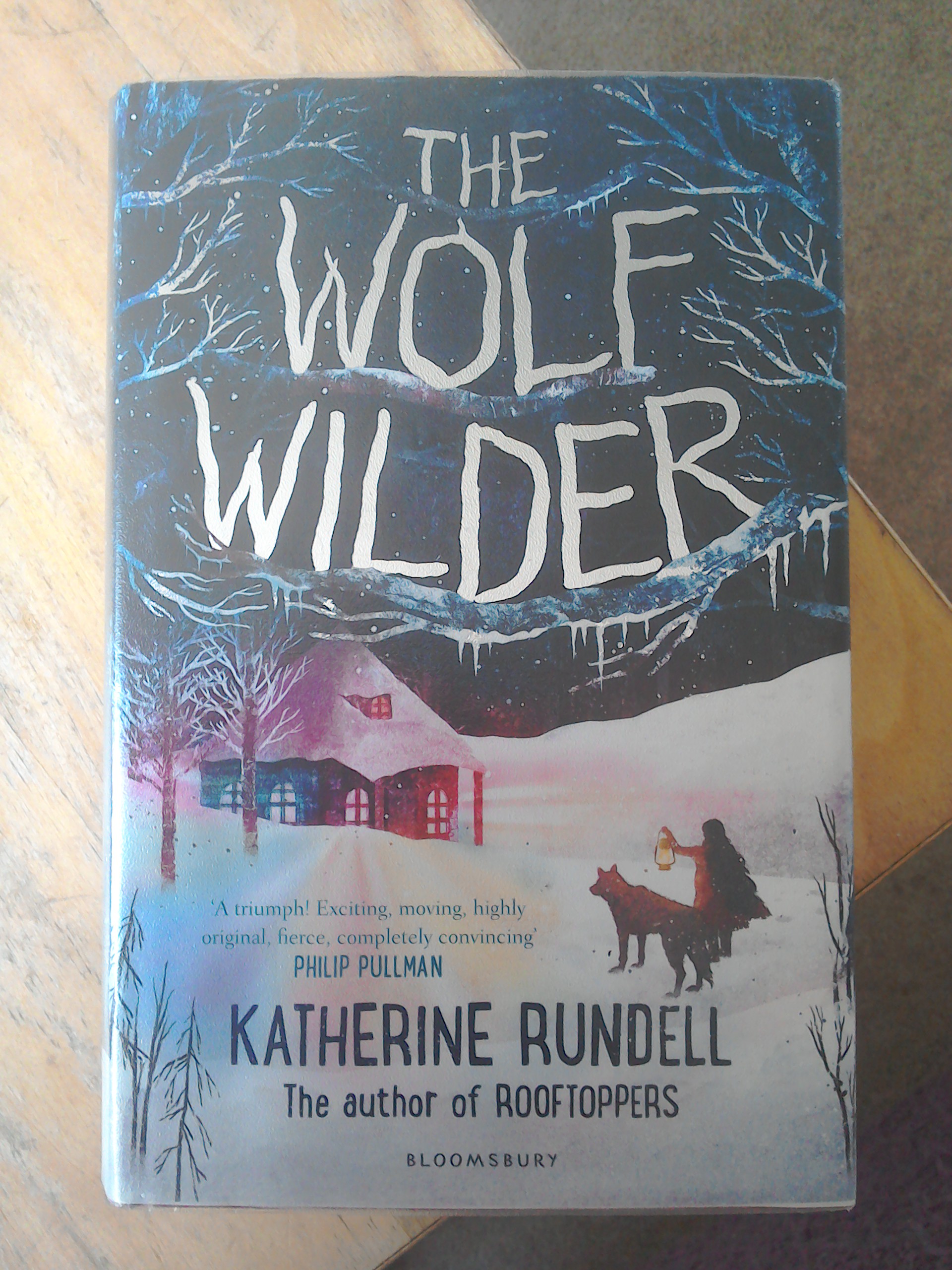
I recently finished The Wolf Wilder by Katherine Rundell, one of my favourite children’s authors. Like Rooftoppers and The Girl Savage, this book is highly original and poetic, with a very driven heroine. Feo helps her mum re-wild the no-longer-wanted wolves tamed as status symbols by the elite of Tsarist Russia. The story takes a treacherous turn when a wolf kills a farm animal. Wicked General Rakov tells Feo and her mum that all the wolves need to be killed – something they are determined not to let happen.
Relationships between girls and their mothers are key to the set up in all three novels. In Rooftoppers, Sophie is hunting through Paris in the belief that her mother, declared dead after their ship sank when Sophie was a baby, is still alive. In The Wolf Wilder, Feo is similarly on a quest to St Petersburg to free her mother, imprisoned by the loathsome Rakov. The Girl Savage is different in that Will is not seeking her mother, but rather rebounding from the cruel actions of a controlling stepmother, who has sent her away from her carefree life in Zimbabwe to boarding school in a wet and miserable England, where she is bullied by other girls.
All three books laud the spaces outside of civilisation as bastions of freedom and joy, the snowy forests of Russia, the wide open spaces of Zimbabwe, and even the rooftops of Paris. Society, represented by the aristocrats of St Petersburg who treat wild animals as playthings or the oppressive routines of English boarding schools, is seen as crushing to the spirit and innocence of childhood. In The Girl Savage I’m not sure I really buy the message of compromise of the kindly grandmother of Will’s new friend Daniel. It seems a step too far in contrast to the majestic description of Will’s early life in Zimbabwe. It feels rather that British society has failed to make happiness an option for children.
What makes all three novels stand out is not only the characters and fabulous settings, but the awe and beauty in the language. ‘Once upon a time, a hundred years ago, there was a dark and stormy girl.’ Like Lyra Belacqua in His Dark Materials, Rundell runs the rooftops of Oxford colleges in her spare time. No wonder she’s a favourite of Philip Pullman.
Yesterday was the 72nd anniversary of D-Day. My grandfathers, Fred Griffin and Egon Korn, fought on opposing sides. Egon, a young German of sixteen, was captured shortly after D-Day at the Battle of Caen. He was aiming a bazooka at a tank when the tank commander saw him and fired his machine gun at him. My grandfather’s stick grenade was hit and it exploded, injuring him terribly and killing his friend. He was saved by the Red Cross, sent to Canada, then Scotland, and finally to Eastbourne where, working as a POW, he met my grandmother.
My grandmother died two years ago and I did her eulogy. She left me a note asking me to draw attention to the fact she had met mothers on both sides of the conflict struggling to come to terms with the loss of their children. That’s what made her a campaigner for peace. And, whilst many things might get lost in the detail, it’s worth remembering why Winston Churchill and the other Founding Fathers set up the EU in the first place.
This poem, about a group of veterans revisiting the Normandy beaches, was first published in Poetry Ireland, issue 56.
Last Time
he was here things were a lot more hairy –
invisible fingers were plucking cones of water from the sea
and everywhere the sand was bursting
like puffballs, struck by a flurry of sticks.
Machine guns smacked endlessly at the air
as if its sins were irredeemable,
and the air expressed its pain
with the cries of men, like children.
Lashed by hot grit he’d run like a boy
down the green suede of the Sussex downs, leaping
bodies like the cracked boles of hawthorns,
still fresh with a whorl of flowers
Now, here again after fifty years,
he can hardly believe this was the place –
the wind’s so soft and warm,
the sand and sea don’t glisten –
everything seems as banal as home.
He turns to remark to an old friend
but finds that he’s fallen several yards back
only to be swiftly enclosed
The Dreamer Falls, the third adventure in The Secret of the Tirthas, is now in draft and due for publication this summer. It’s set mainly in the jungle in Cameroon, where Lizzie has to go to save a local village boy who’s accidentally discovered one of the portals in her garden.
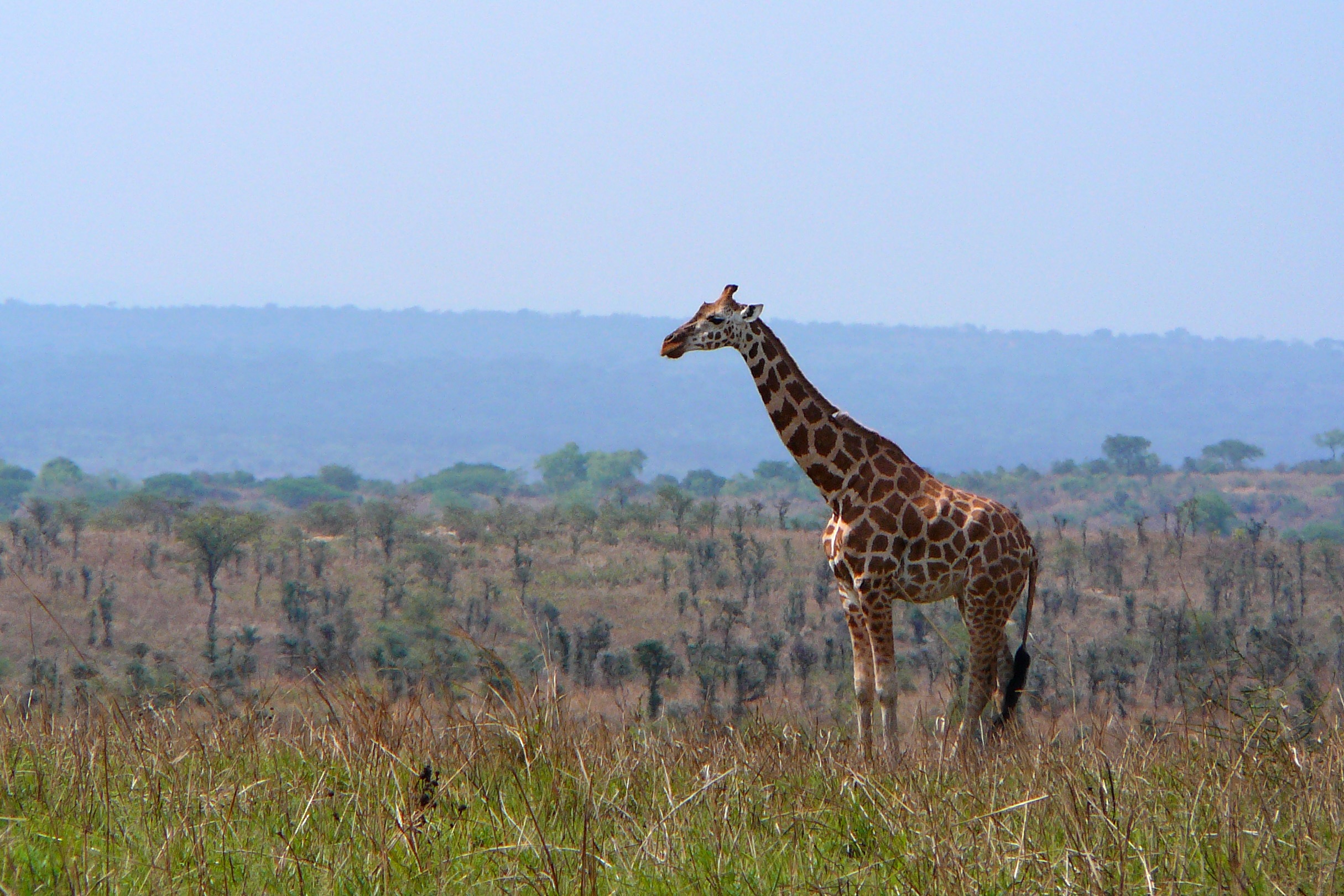
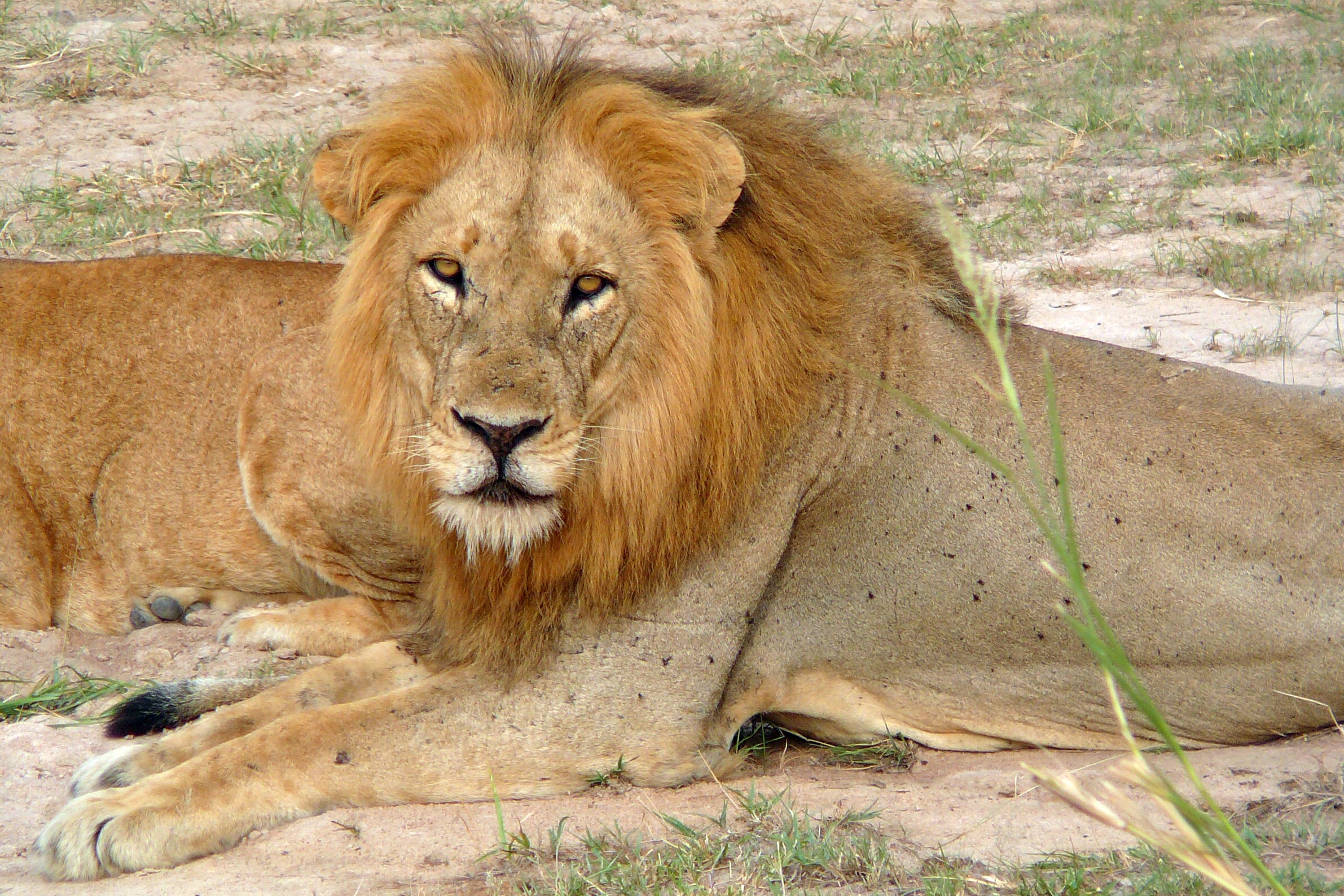
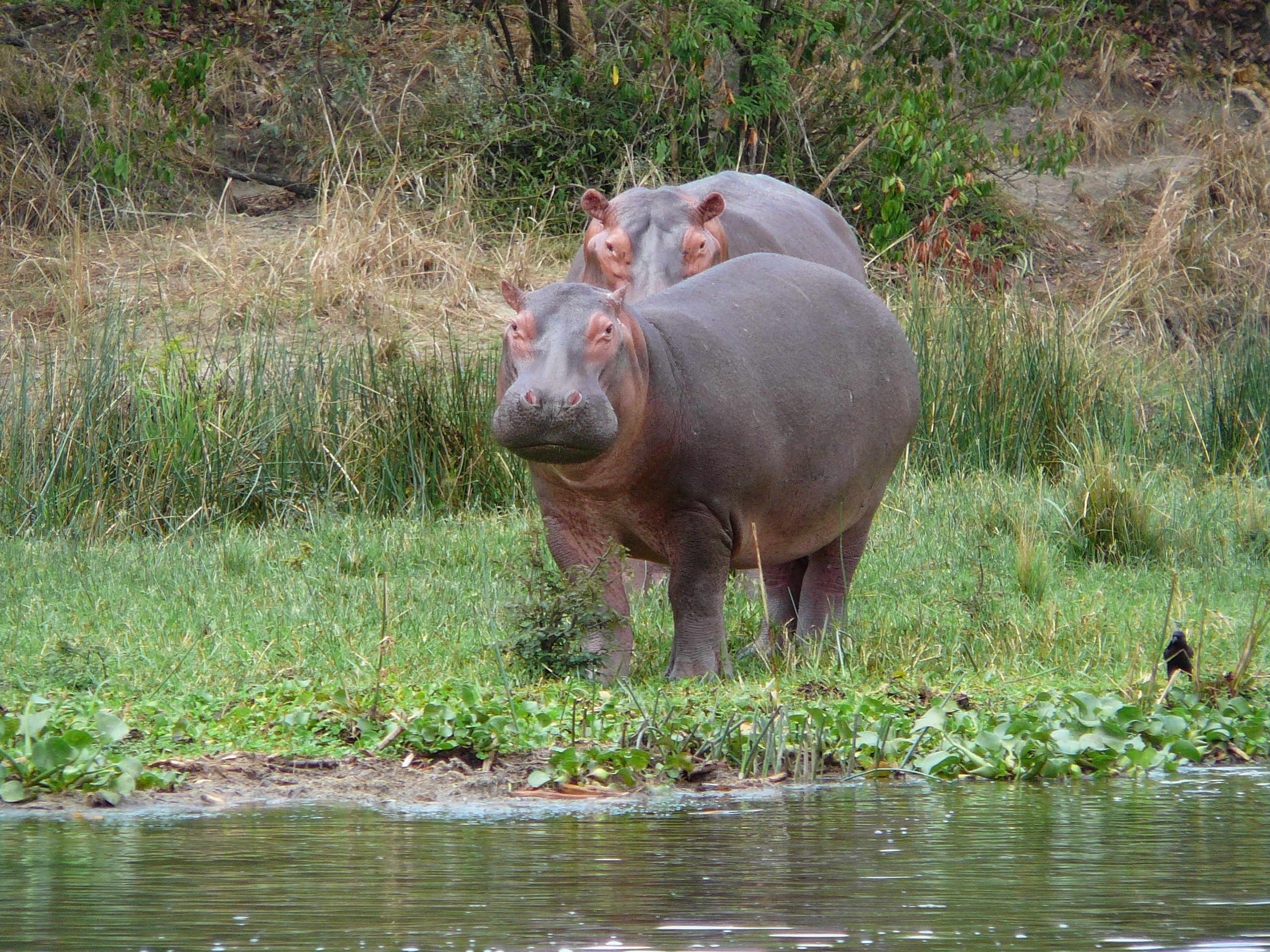
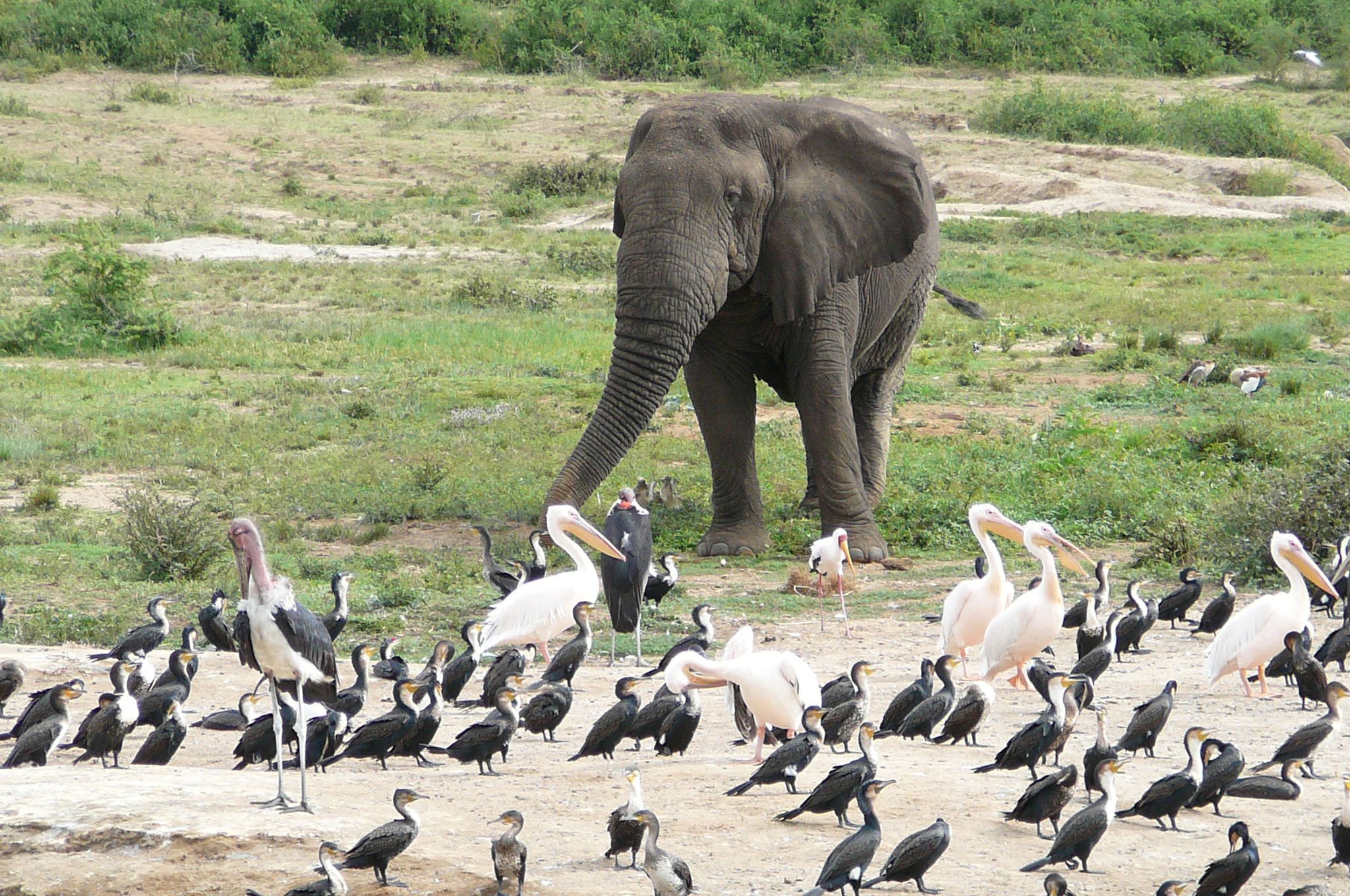
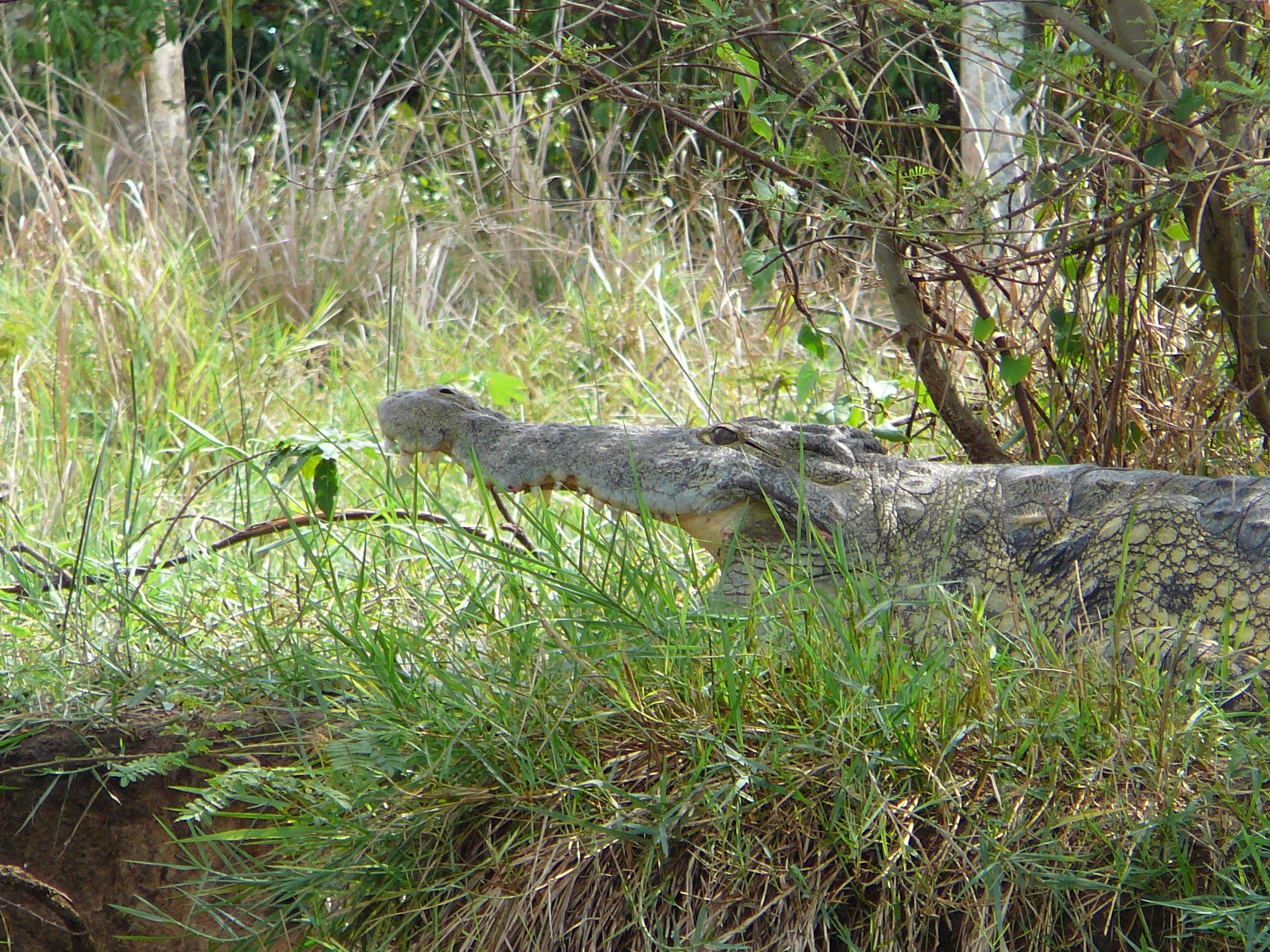
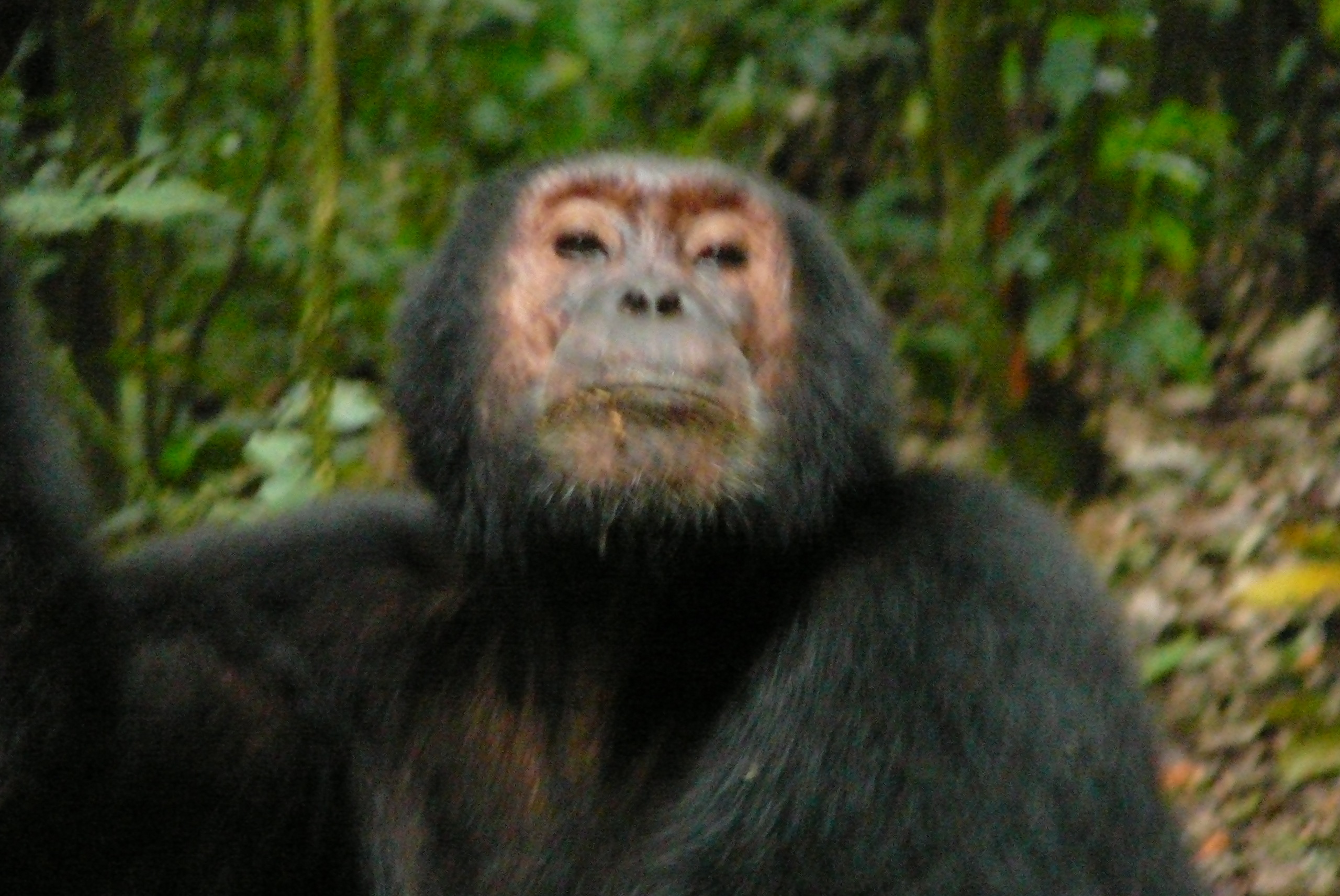
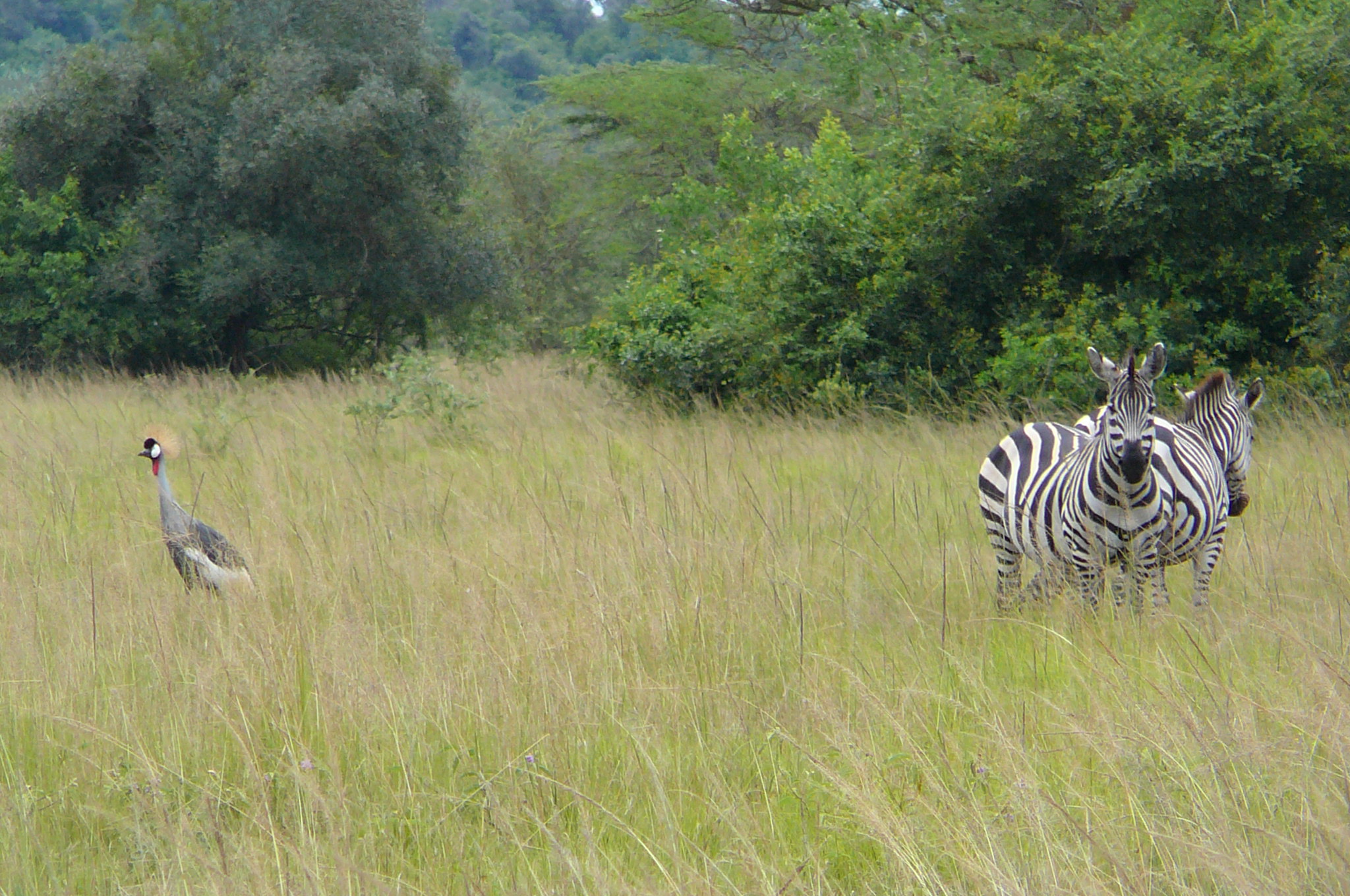
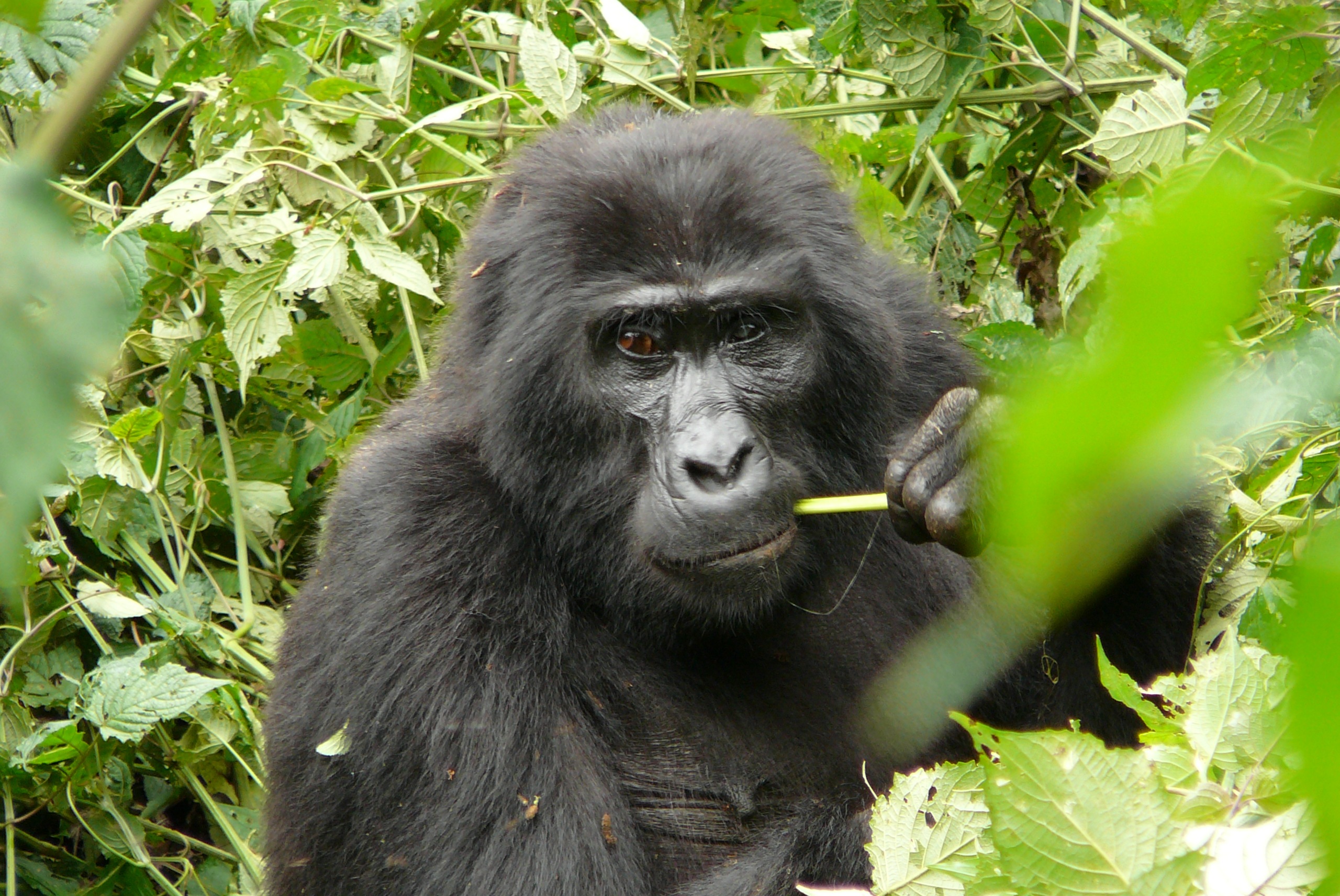
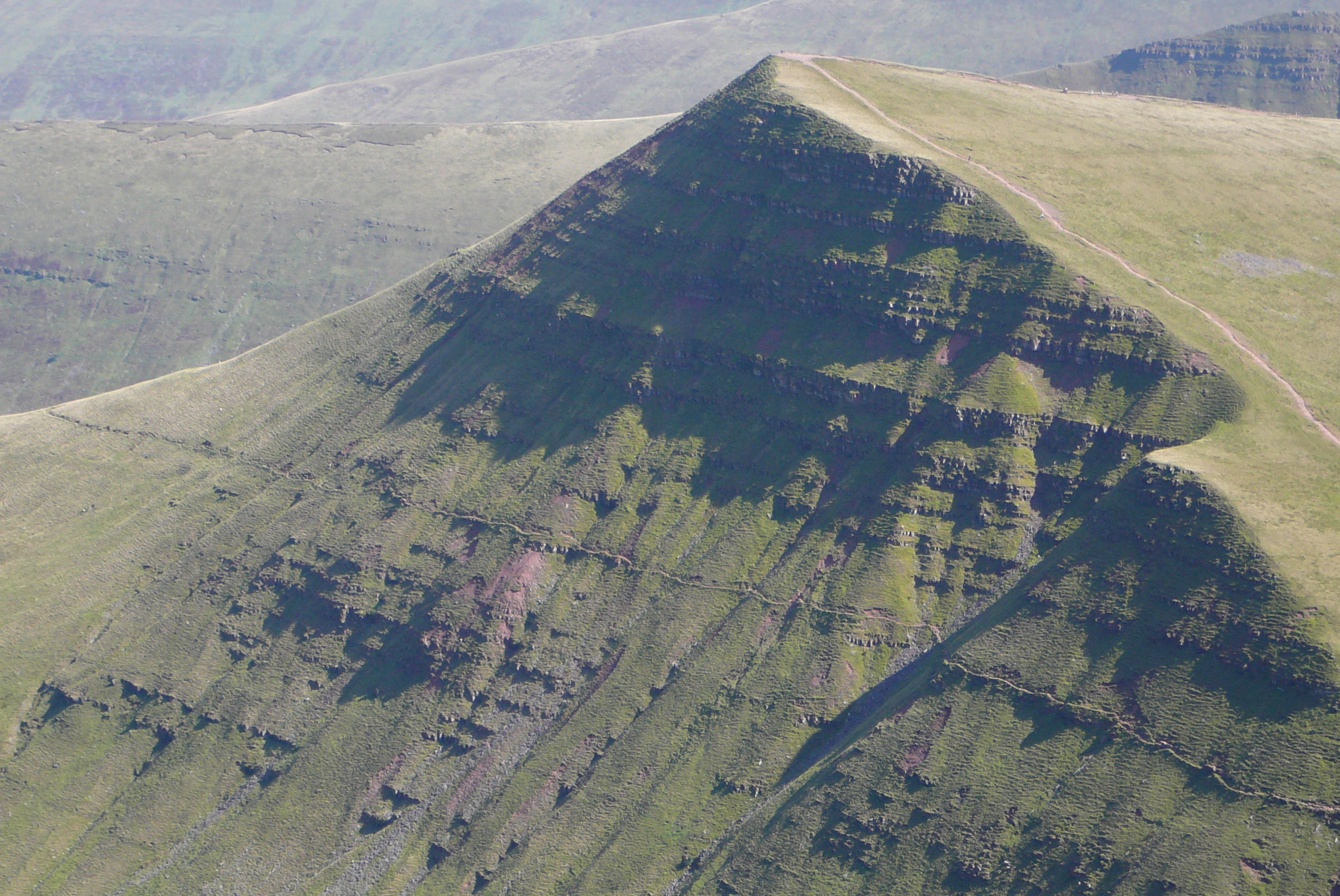
I decided to set The Dreamer Falls in Cameroon for two reasons: 1) I was keen to bring into a story a Nkisi fetish statue and some other interesting African artefacts I’d seen at an exhibition in The National Gallery and 2) I wanted Lizzie to experience the awe and mystery and hardship of traveling through the jungle. And particularly, I wanted her to encounter a few (but not all) of these beautiful creatures, captured on a trip to Uganda a few years ago:
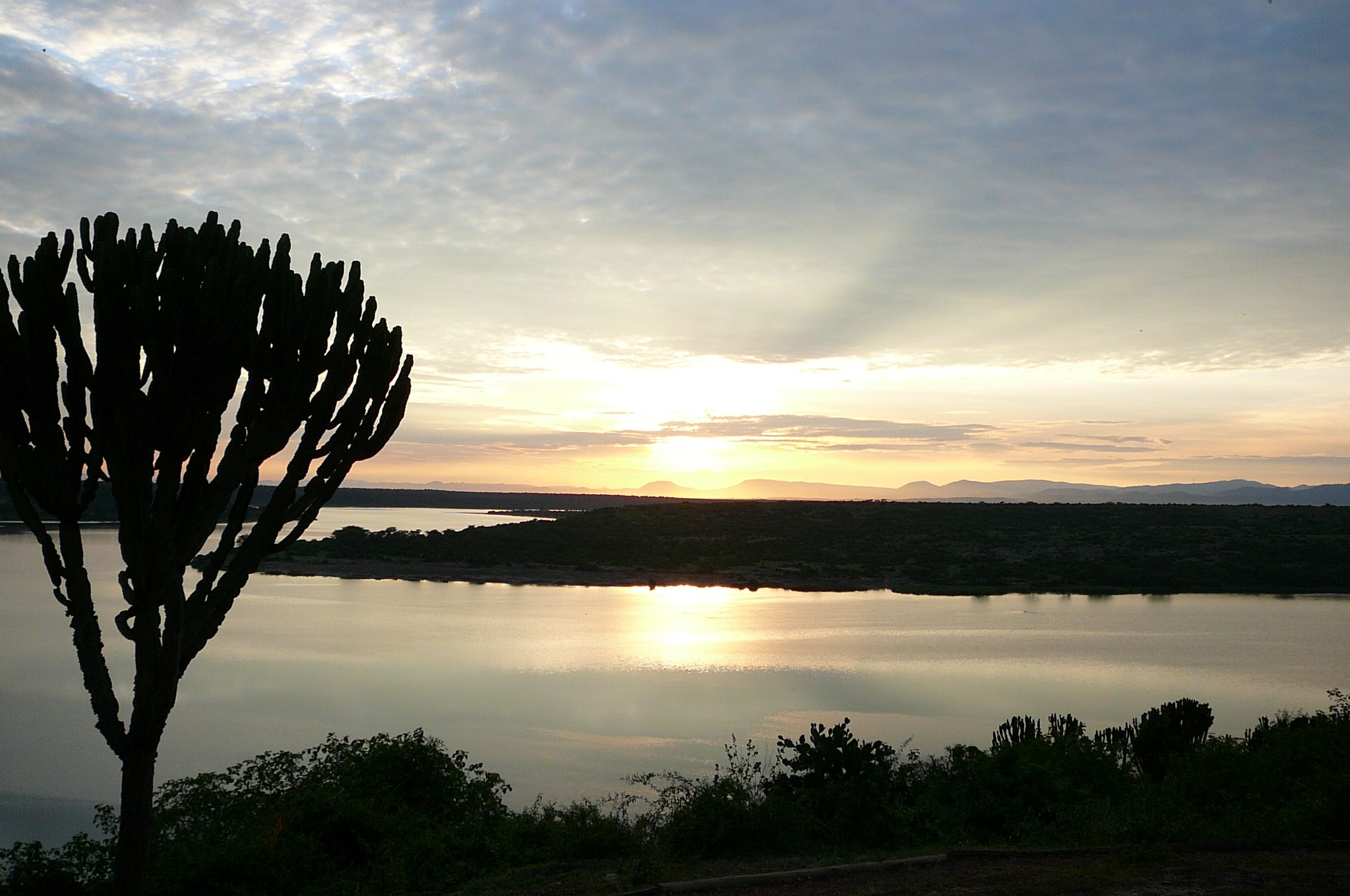
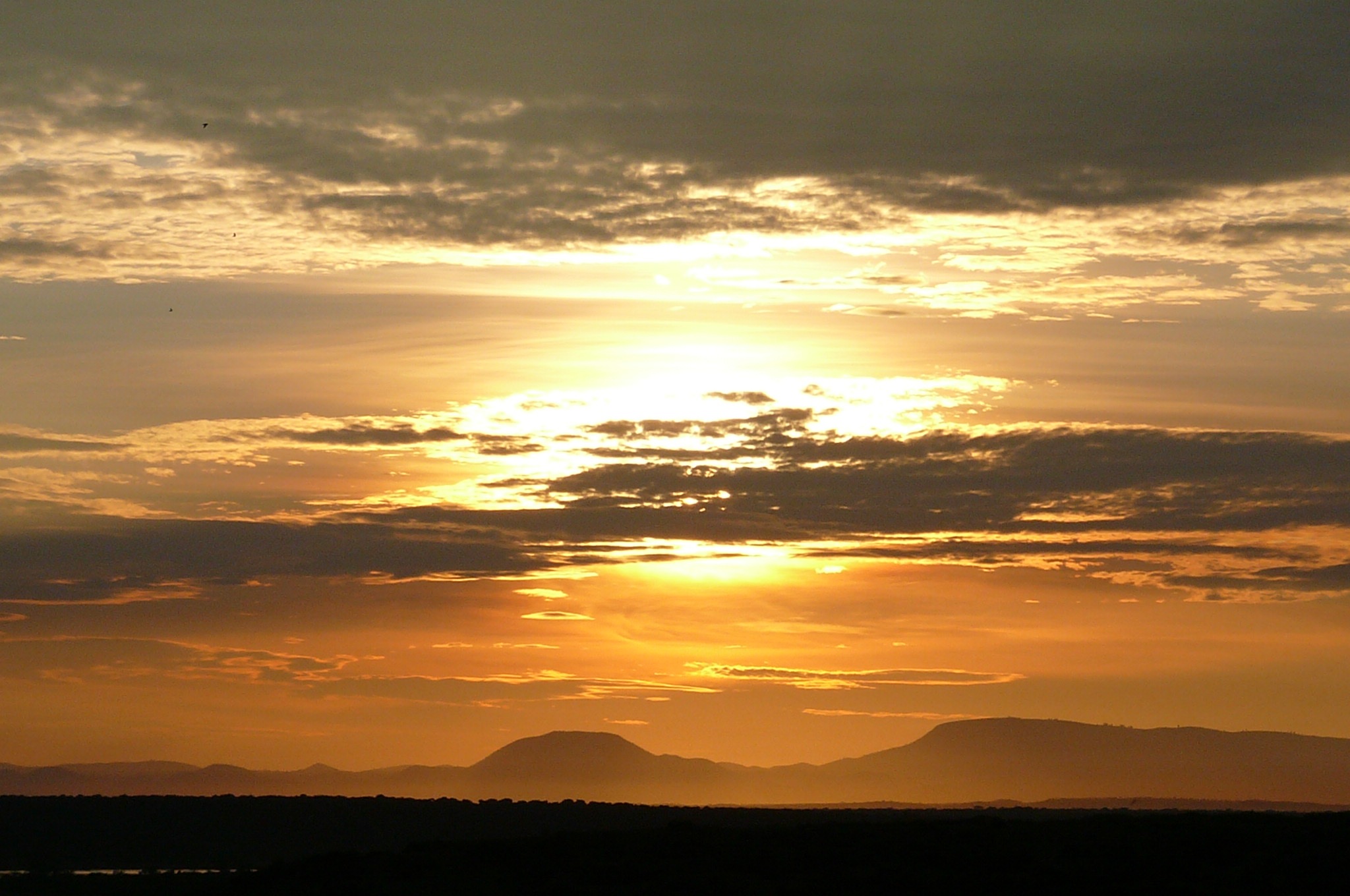
And some of this magnificent scenery:
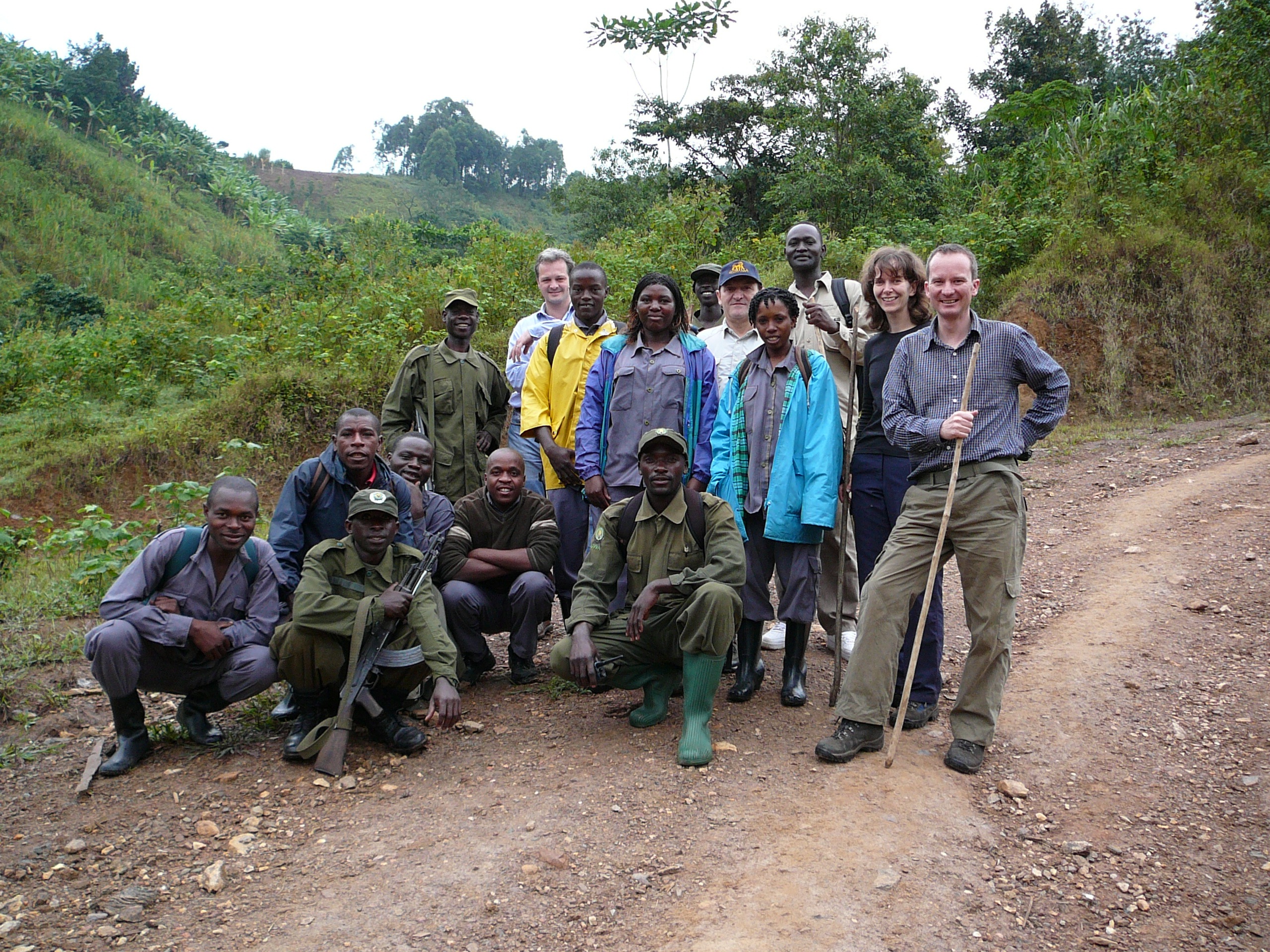
Lastly, I couldn’t resist including this photo of the group that went looking for gorillas – the rangers carried guns because of the danger from poachers and armed rebels.
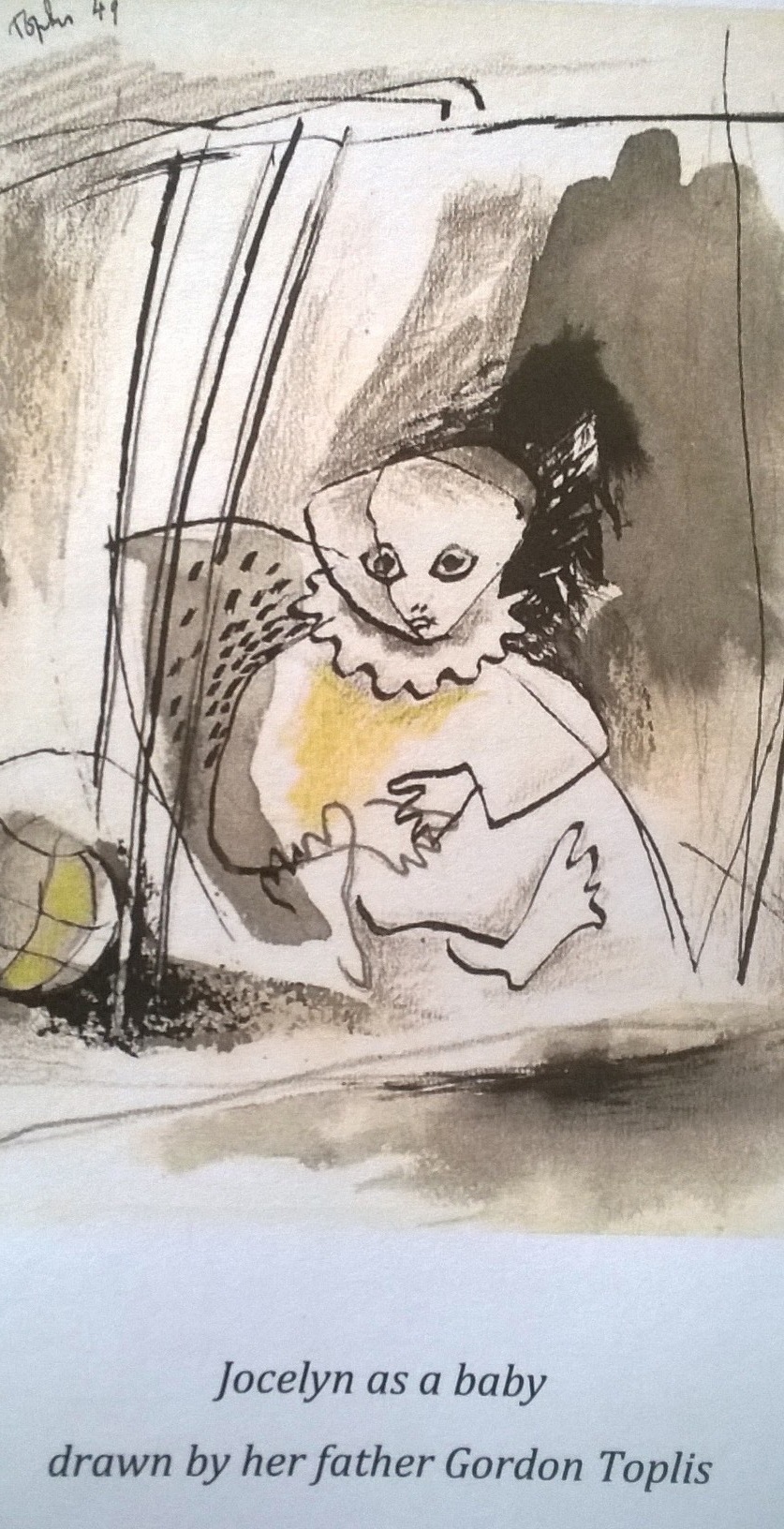
A while back, whilst posting about the influence of painting on my poetry, I mentioned the artist Jocelyn Merivale who died two years ago, far too young.
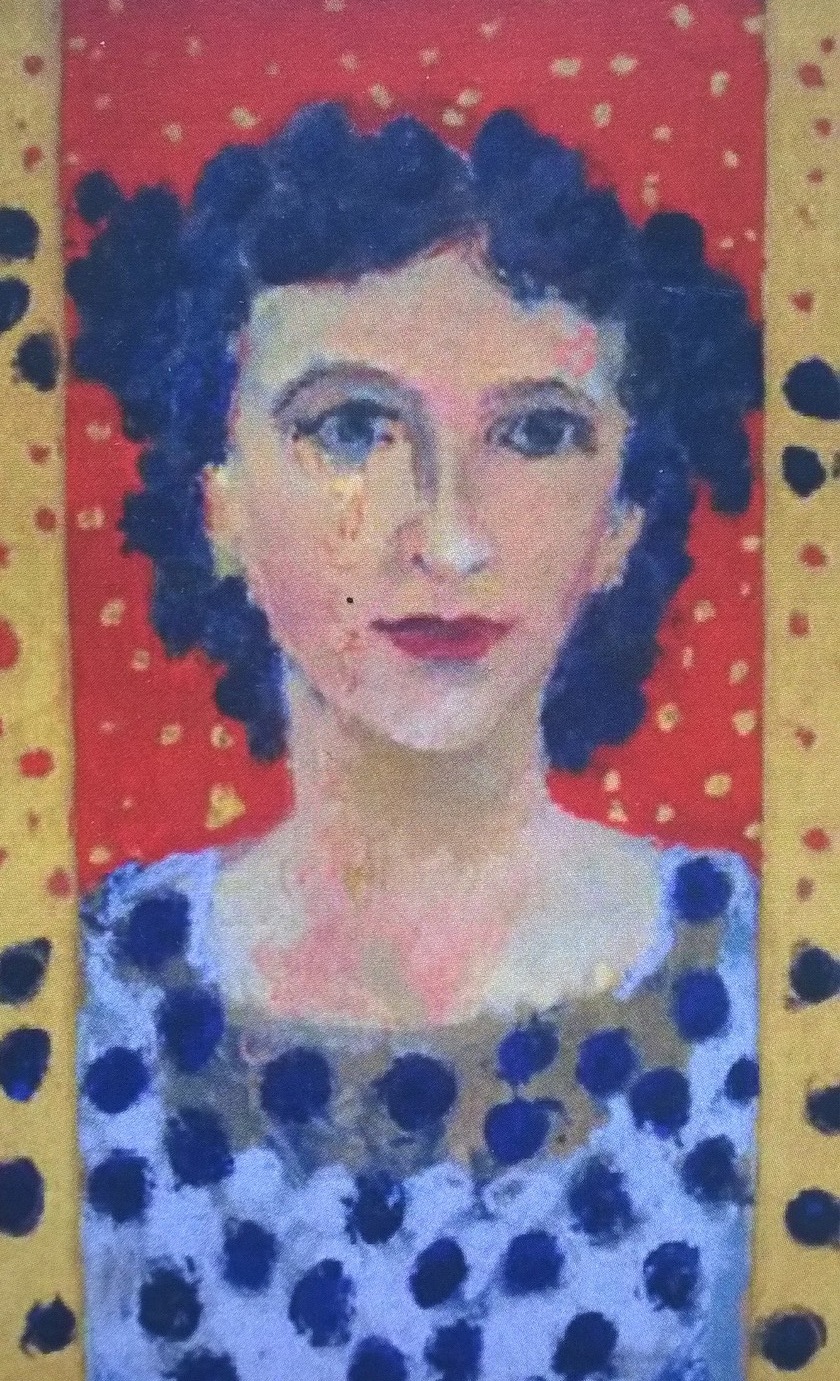
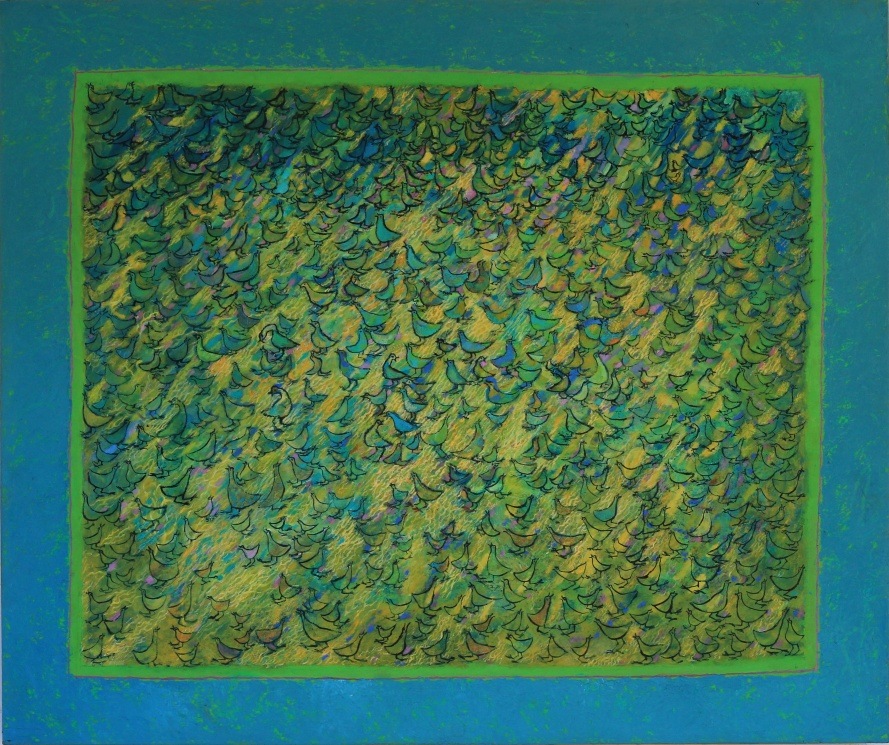
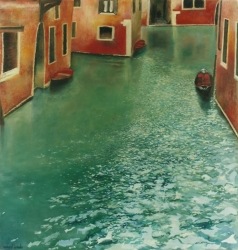
Below is a sequence of short poems I wrote after visiting an exhibition of Jocelyn’s held at her home in Merton. I’ve included a few photos of her paintings, although I’m afraid they’re not the exact same ones that inspired the poems – but they give a good flavour of her talent. I would put all her paintings up here, they’re fabulous.
And a small point of clarification – these titles and sub-titles are my own, not those of the paintings.
Every Bird is Singing
I watch the painting
with its thousand yellow birds
all edged in black
and only some time later notice
that all their beaks are open,
that every bird
is singing –
Green Ghost Girl at No. 9
Who is this green limned girl
stood at No. 9’s red door?
Won’t they let her in? Are there
bundles of garlic
splashes of holy water
sprigs of wolfsbane round the frame?
Does some sudden memory
paralyse the will of the dead?
Or perhaps she rehearses her performance,
how with just the right moment and angle
she might make forever good her intent,
push her teetering target
over the edge
of a measureless chasm of fear.
Or maybe she just doesn’t have the power
to walk through.
After all there is only so much
the dead can do.
The Sea
is everywhere. We are made to think
of our edges, our rocks and shingle beaches
bee-sting Victorian lighthouses –
of hulls on tossed waters
whose fate is to break.
But the sea is also amongst us
dull green with algae host
sitting, seeping around buildings –
an urge to circumscription
we can entertain, or not.
*
– This is my favourite
he tells me, it reminds me
of the girl I fell in love with.
A beautiful, everything girl
full of treetop song –
with splashes of red
falling down gold beside her
*
And, found behind the portrait of the baby,
a mental hospital, rain, billowing trees
in iron-dark grey
This poem features in my poetry collection Up in the Air, available here:
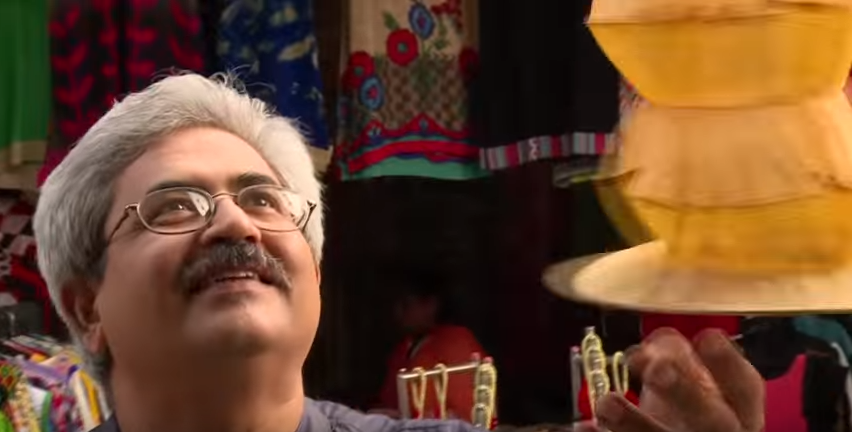
Goodreads is a great way to meet other readers and writers. Last week I connected with the Indian author Jaideep Khanduja, who offered me an interview on his blog, Pebble in the Still Waters – and here it is. Thank you Jaideep!
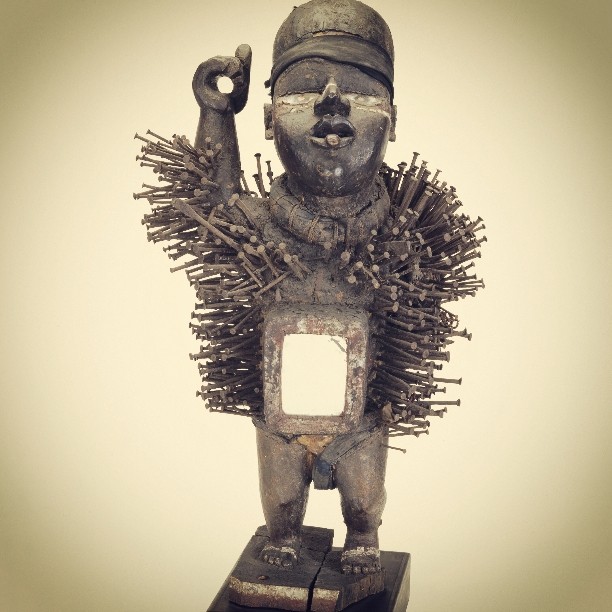
This is a Nkisi, a fetish statue used in parts of Africa to summon ancestor spirits to your aid. You enact its power by licking then bashing in nails.
A Nkisi statue turns up as an Artefact of Power in The Dreamer Falls, the third book of The Secret of the Tirthas, which is now in its first draft and will be out this summer.
In the book Lizzie’s sense of duty once again gets the better of her as she heads through a tirtha into the Cameroonian jungle to rescue hapless village boy Thomas Bennett. In a cruel twist of fate Thomas has become the new wild boy of the woods (or rather rainforest), following his accidental discovery of the tirtha.
The quest to find Thomas tests Lizzie to the full as she encounters gruelling dangers, both physical and psychological. She’s accompanied by two teenagers, Zuri and Malika, although whether Zuri with his exacting, often cruel intentions is a help or hindrance is difficult to tell.
And only when she’s at her furthermost point from home, deep in the jungle, does she once again find herself up against the deadliest of foes.
Which is where the Nkisi might or might not come in helpful.
Just received a very nice review of The City of Light from Maureen, a Massachusetts book reviewer, on her Hands Full Mama blog. Here’s an excerpt:
“This was a lovely book. I loved the way that Indian culture, religion, and mythology was incorporated into the plot. Griffin’s descriptions of Kashi are vivid and realistic. I also liked the mystery element; Lizzie begins to suspect that someone else is using the portal – for sinister reasons. She isn’t sure who she can trust – and who she should suspect… This is an exciting story, and even readers who have moved on to ‘Young Adult’ books might enjoy this book. I am looking forward to Lizzie’s next adventure!”
Like getting another Christmas present…
If you want to read the full review – and perhaps subscribe to Maureen’s excellent blog – you can do so here:
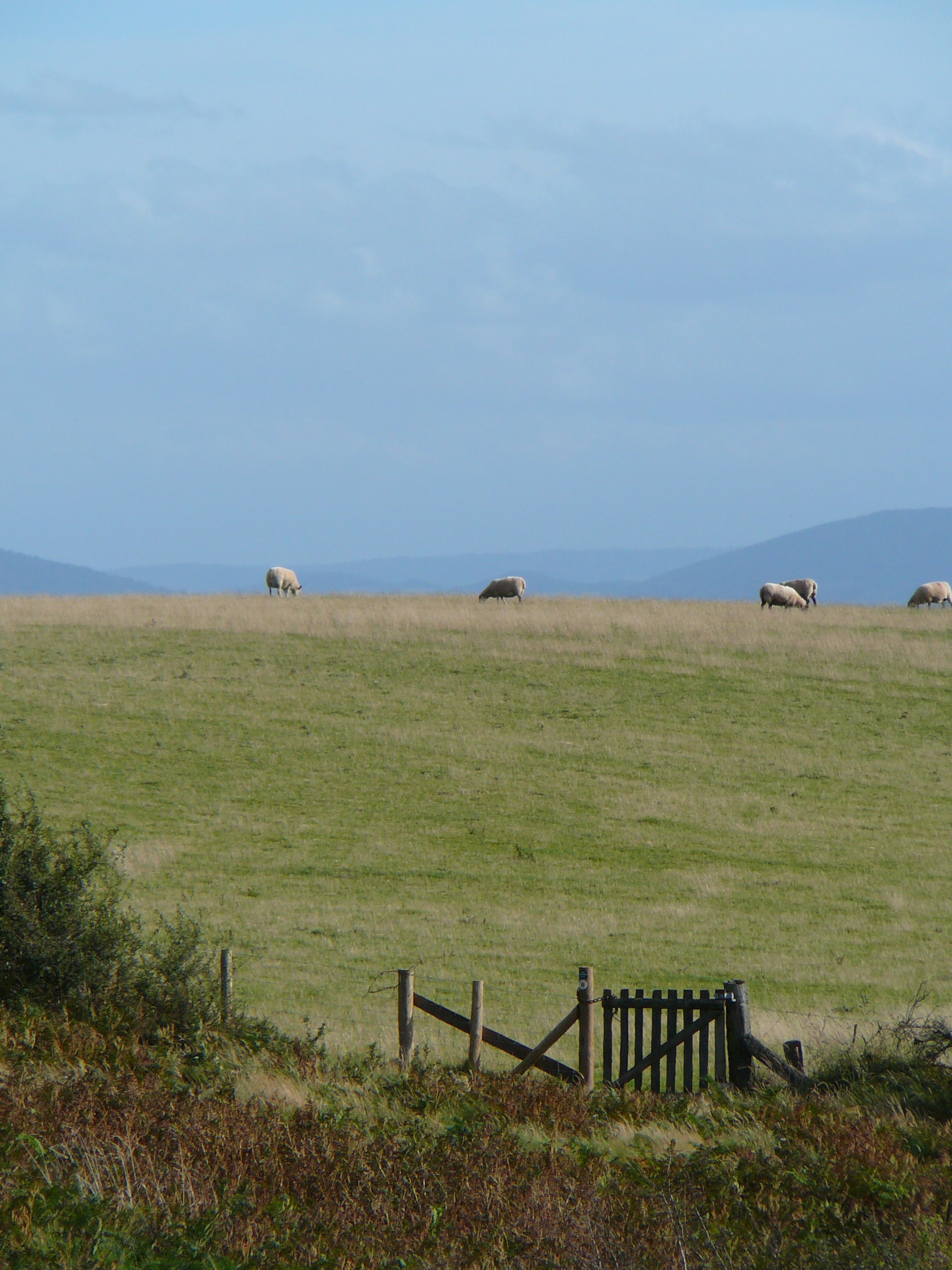
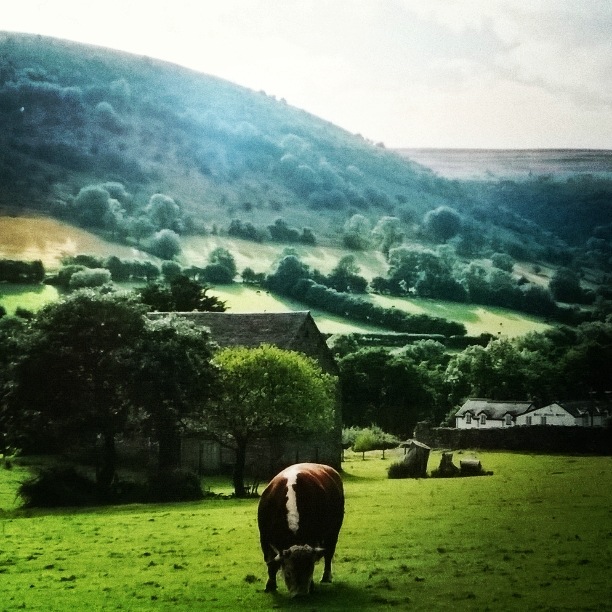
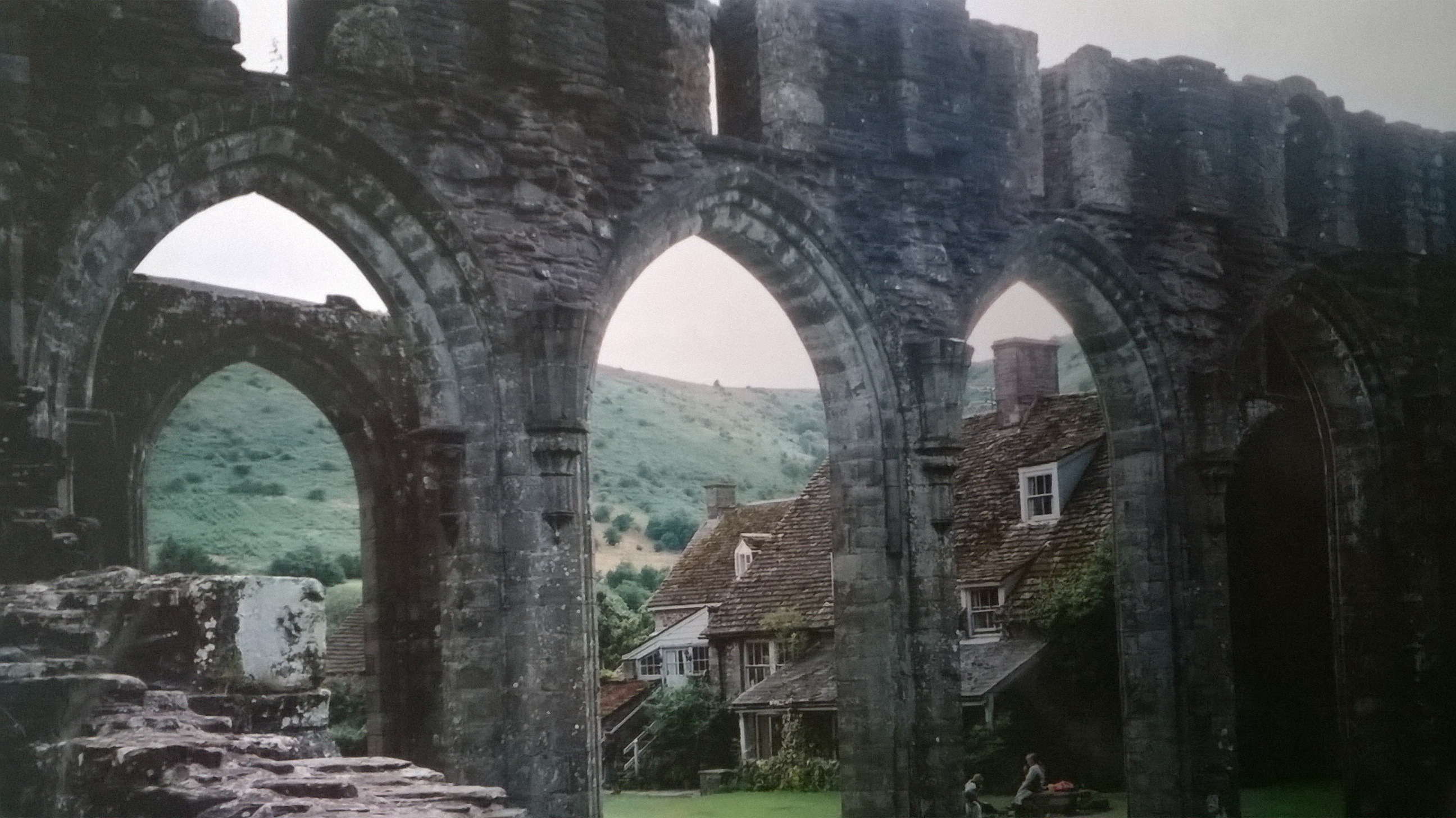
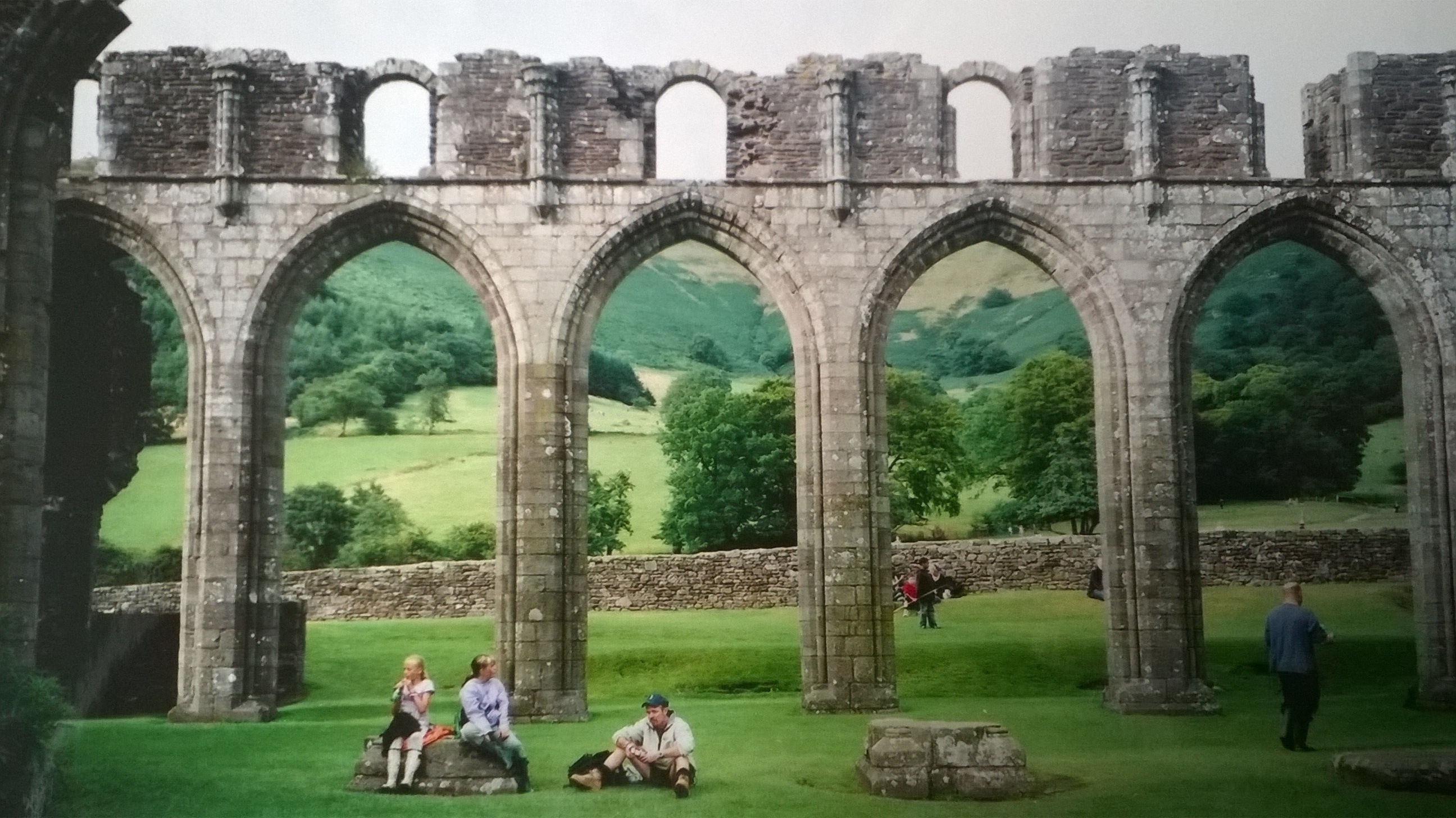
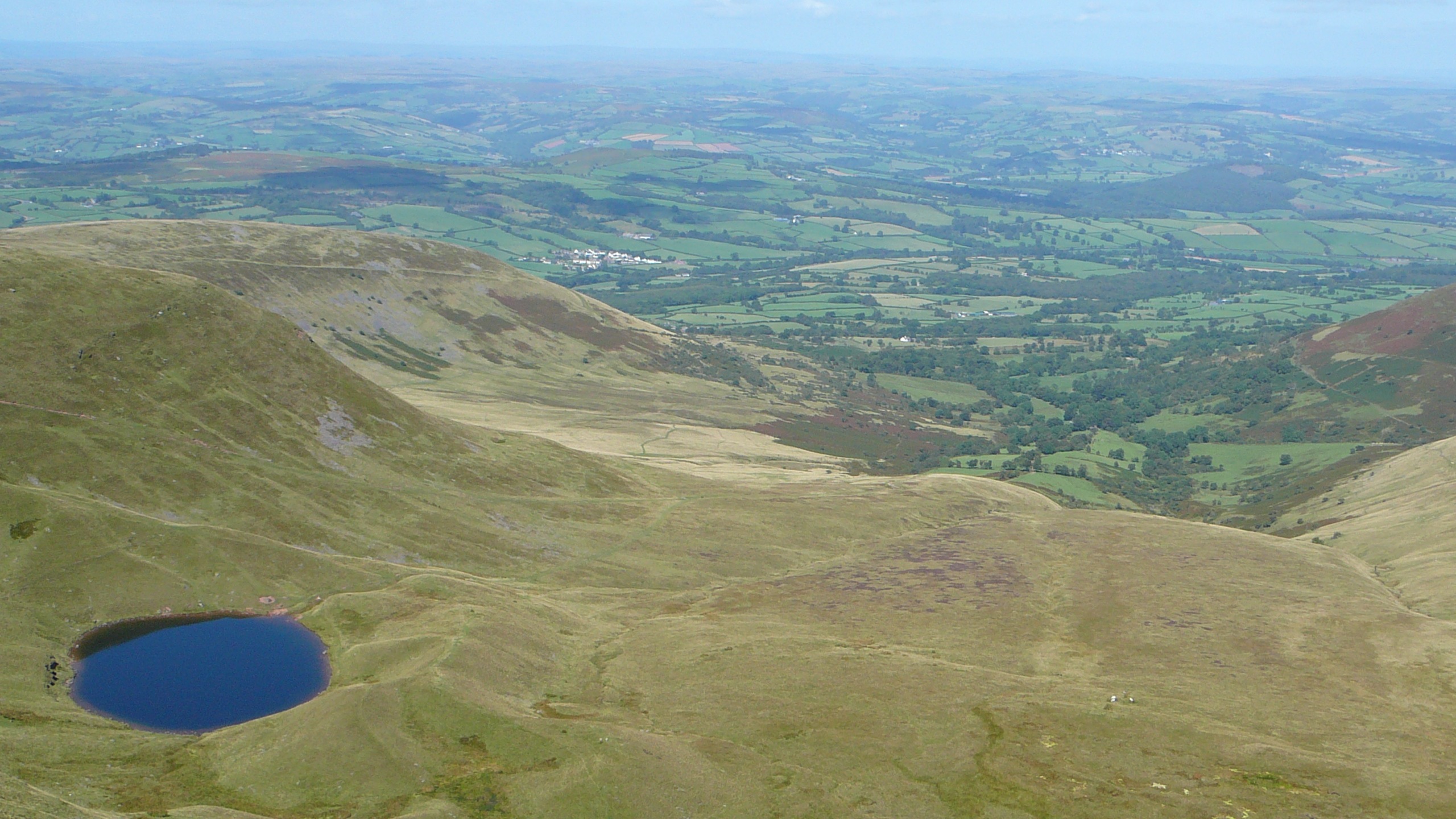
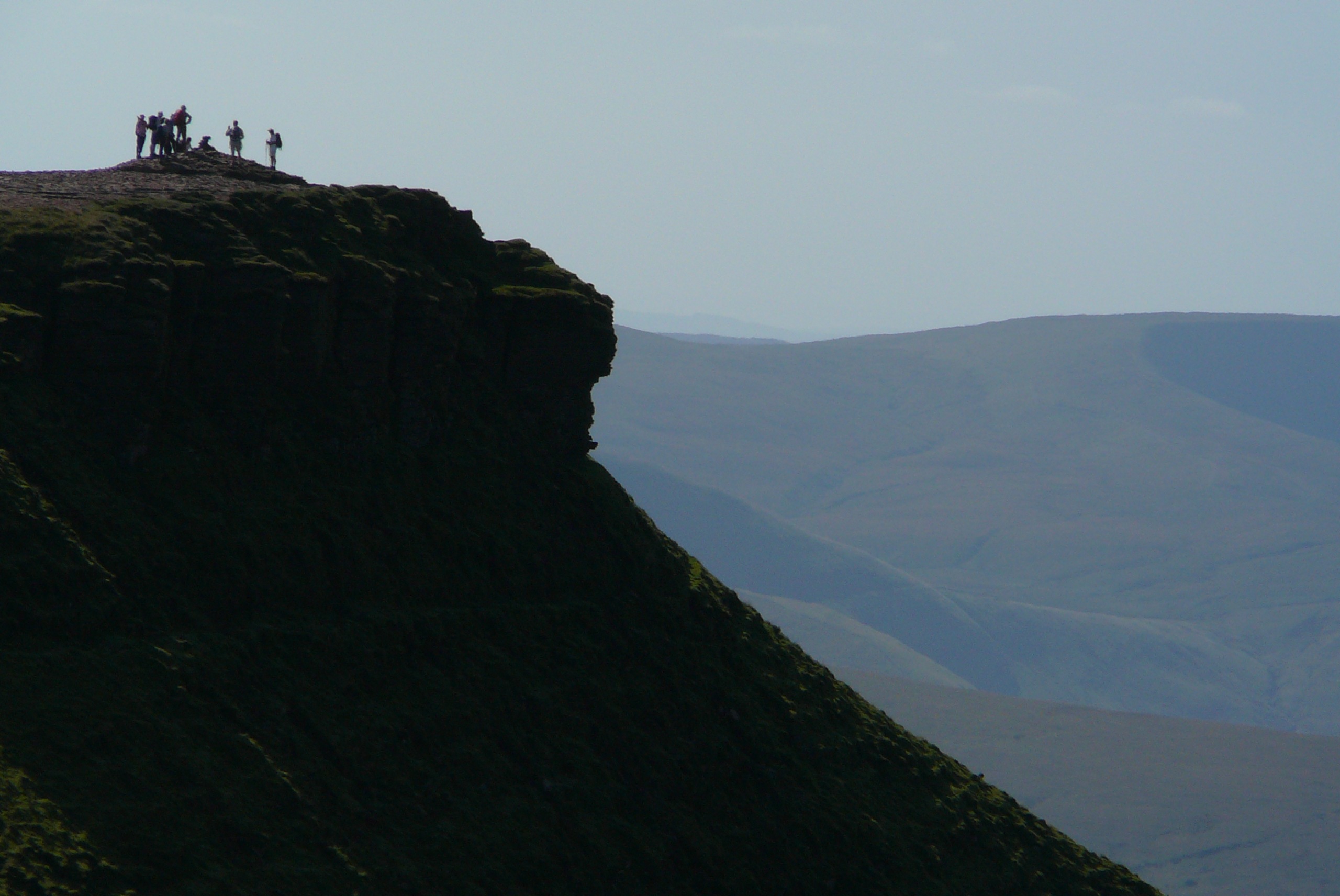
Rowan Cottage, the house that Lizzie inherits in The City of Light, is set near the fictional village of Hebley, loosely based on the black-and-white village of Weobley. I’ve already posted about the real garden of rooms that The Secret of the Tirthas is based on here, but here’s a few photos of the remote, beautiful, and occasionally austere area known as the Welsh Marches, which serves as a backdrop to the books:
Looking towards Hay Bluff and Twmpa, at the western edge of the Black Mountains
The Golden Valley
Across the border in Wales: Herefordshire bull, Vale of Ewyas
Last weekend I handed a copy of The Red Sea Sharks to a cashier at Waterstone’s in Guildford. She went ‘Ah wow, Tintin!’ and immediately asked my son if he knew who their mezzanine statue of the bearded sailor was.
Well, he’s four, so he didn’t have a clue, but I of course mumbled that it was Captain Haddock. How would she know I’d spent a few days ploughing through my recently rediscovered collection of Tintin books – and found this one missing?
It got me thinking just how much Herge (Georges Remi, the Belgian creator of Tintin) had influenced The Secret of the Tirthas. I remember the excitement of getting up before everyone and rushing downstairs to read The Cigars of the Pharoah in the early morning light. I loved the rich variety of the story settings, the good humour and painstaking attention to detail. Trekking and yetis in Tintin in Tibet. Dying of thirst in the desert in The Crab with the Golden Claws. Being chased by an ape in a Scottish castle in The Black Island. Marooned on a raft in The Red Sea Sharks.
When I started working out The Secret of the Tirthas I was thinking about how the world itself can be as awe-inspiring as any fantasy creation, especially when new places are seen for the first time. What better way to explore this than to have a multitude of exotic locations accessible from your back garden?
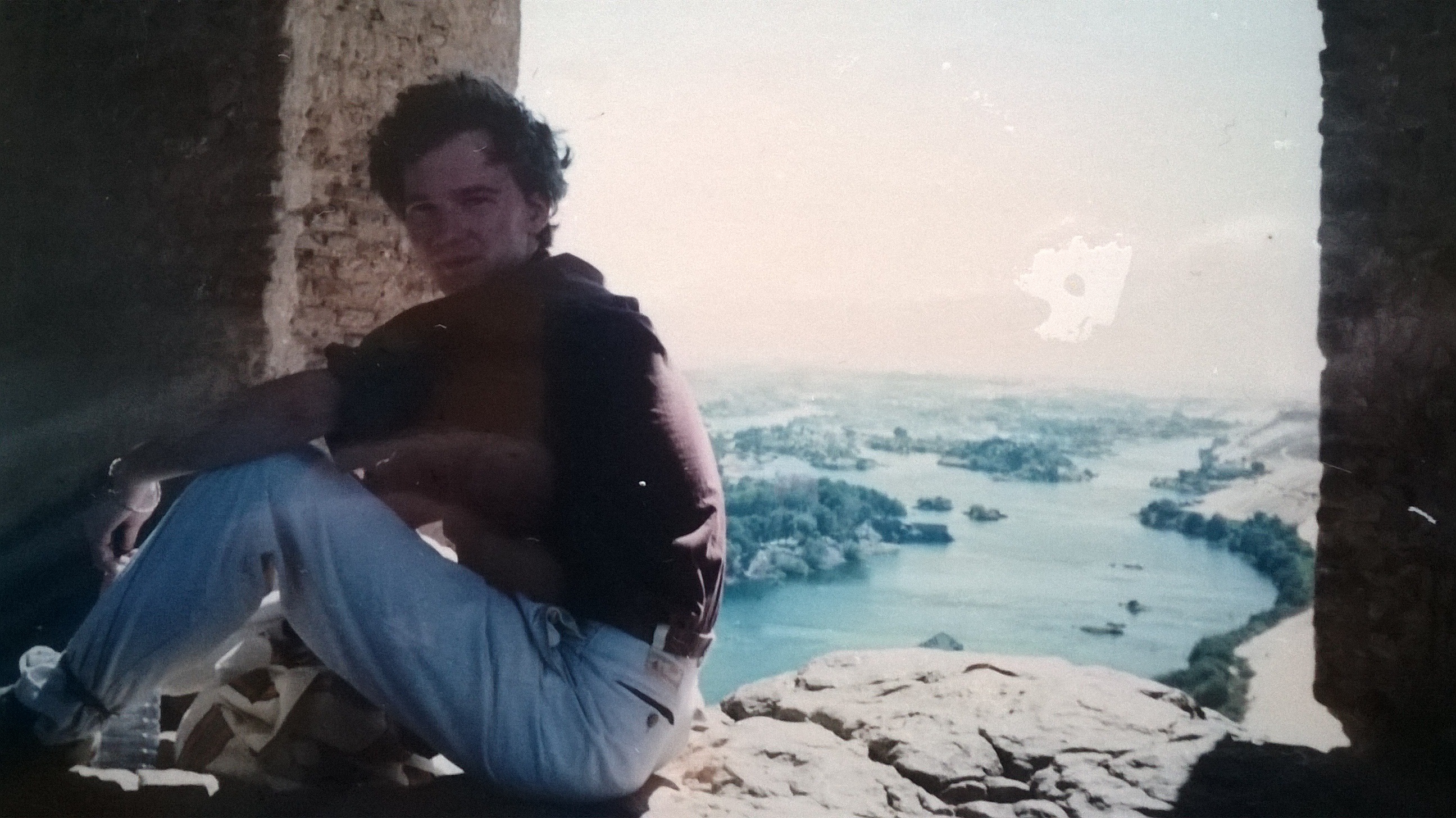
The Cigars of the Pharoah remains my favourite Tintin book, set mainly in Egypt and India. I read it at something like eight years old and found it exciting and very, very funny, especially the character of Sophocles Sarcophagus. And the first two countries, alongside Nepal, that I went to on my own steam were Egypt and India, so I’m sure Herge’s influence runs deep.