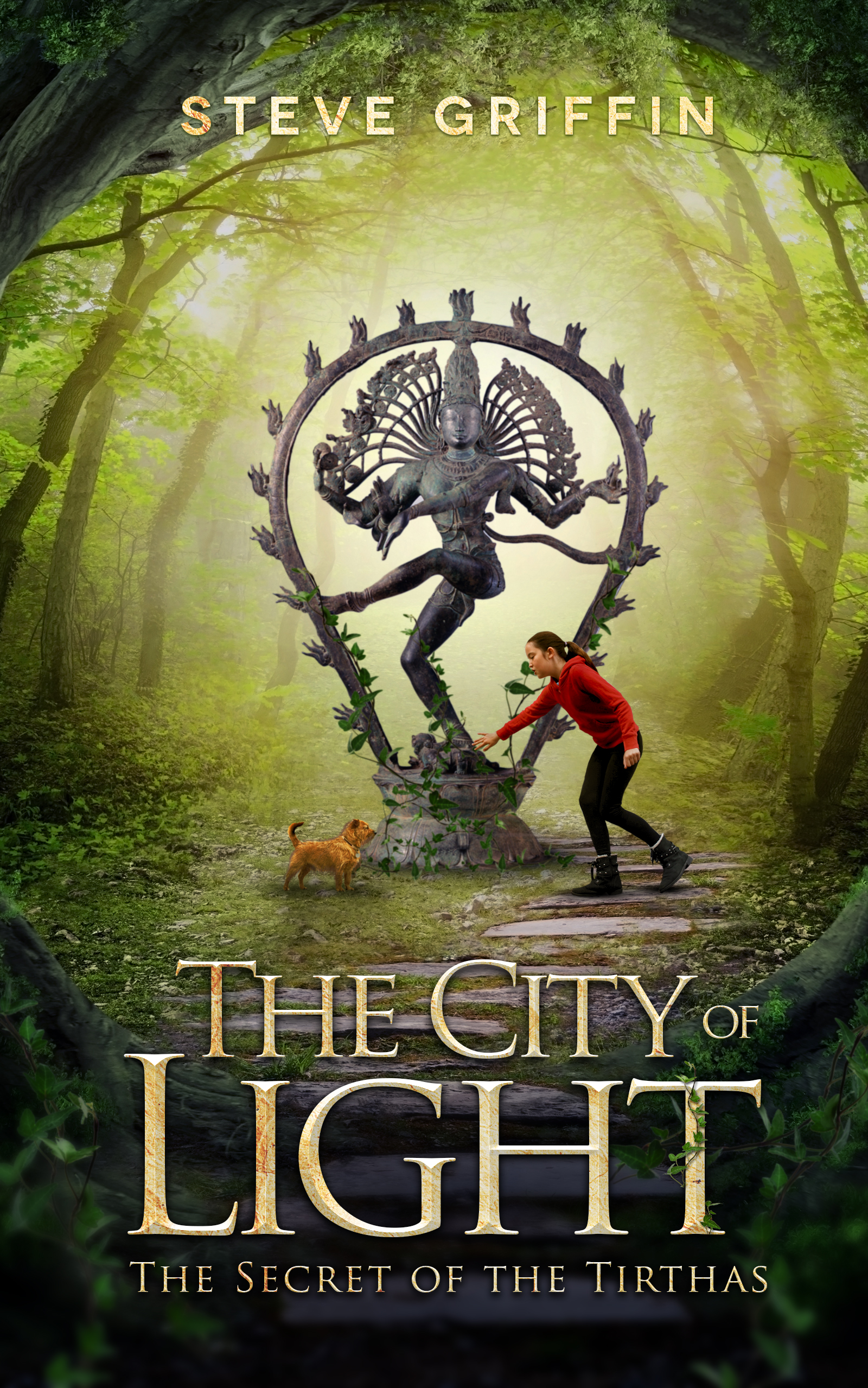
Just received a very nice review of The City of Light from Maureen, a Massachusetts book reviewer, on her Hands Full Mama blog. Here’s an excerpt:
“This was a lovely book. I loved the way that Indian culture, religion, and mythology was incorporated into the plot. Griffin’s descriptions of Kashi are vivid and realistic. I also liked the mystery element; Lizzie begins to suspect that someone else is using the portal – for sinister reasons. She isn’t sure who she can trust – and who she should suspect… This is an exciting story, and even readers who have moved on to ‘Young Adult’ books might enjoy this book. I am looking forward to Lizzie’s next adventure!”
Like getting another Christmas present…
If you want to read the full review – and perhaps subscribe to Maureen’s excellent blog – you can do so here:
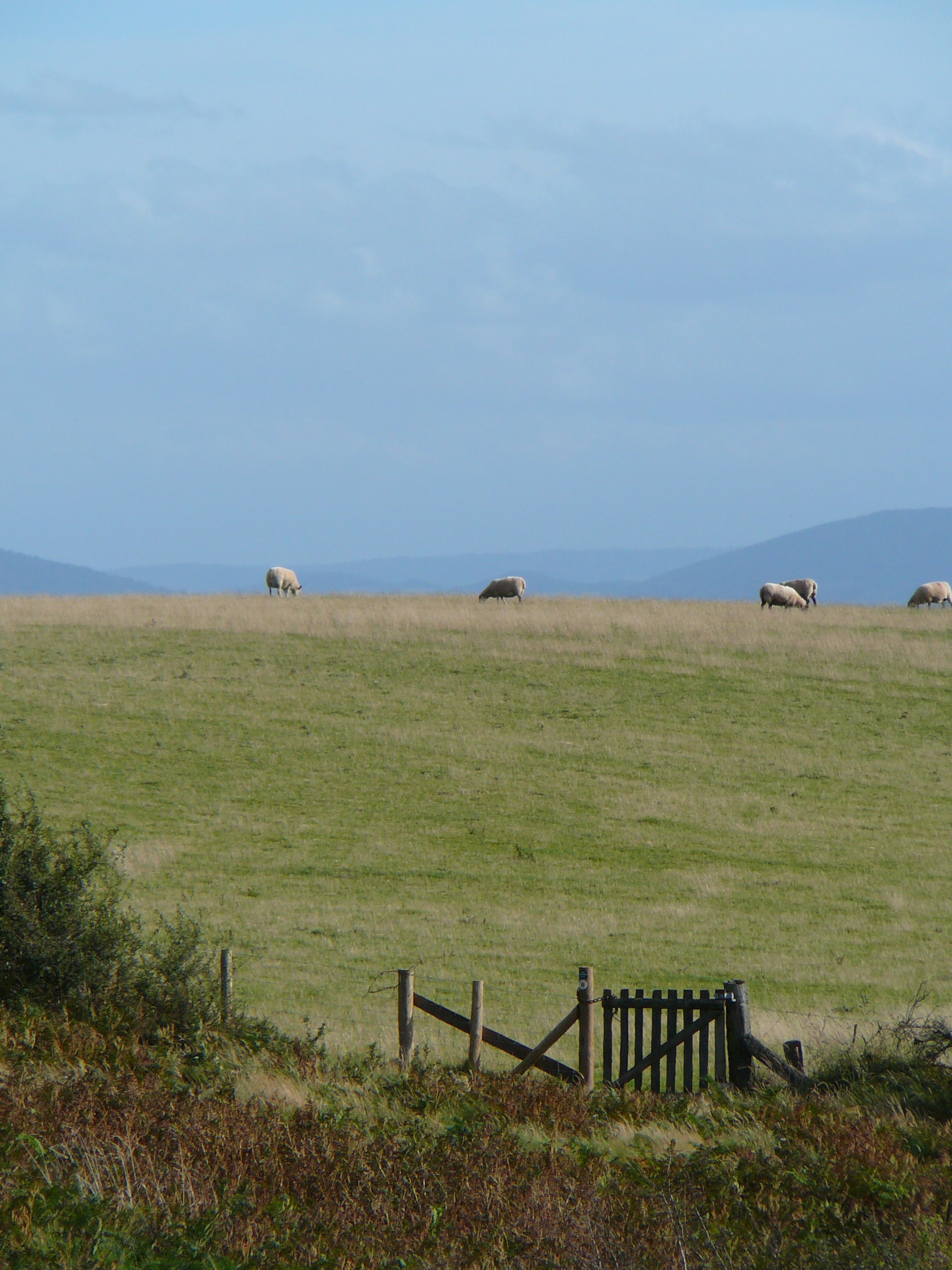
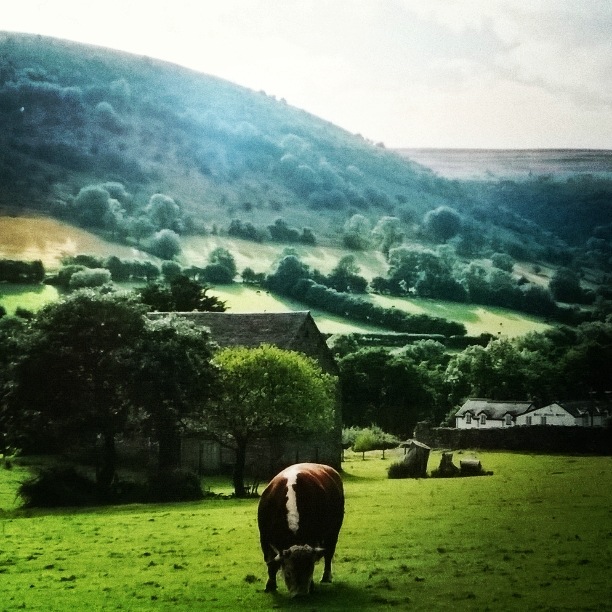
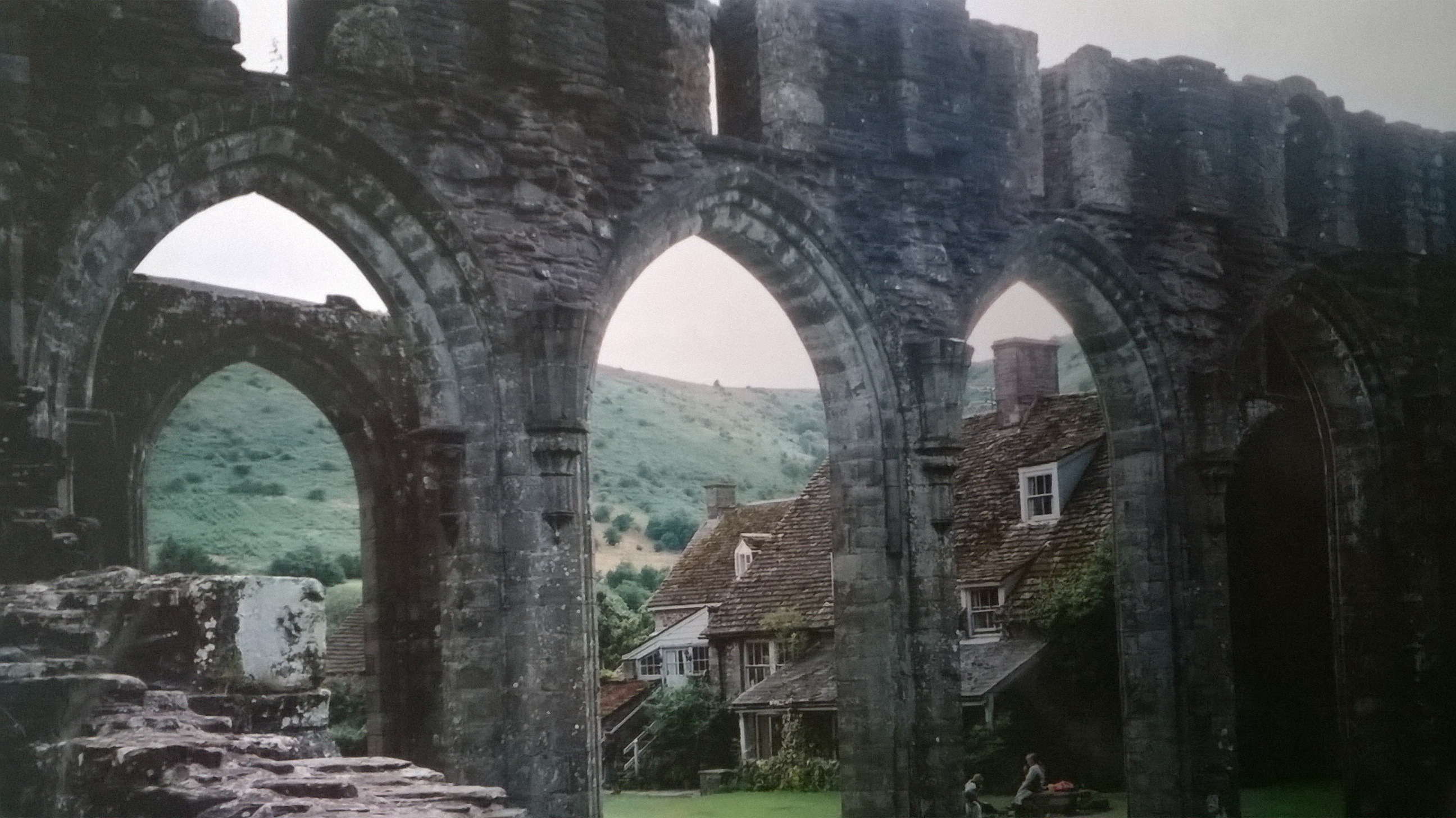
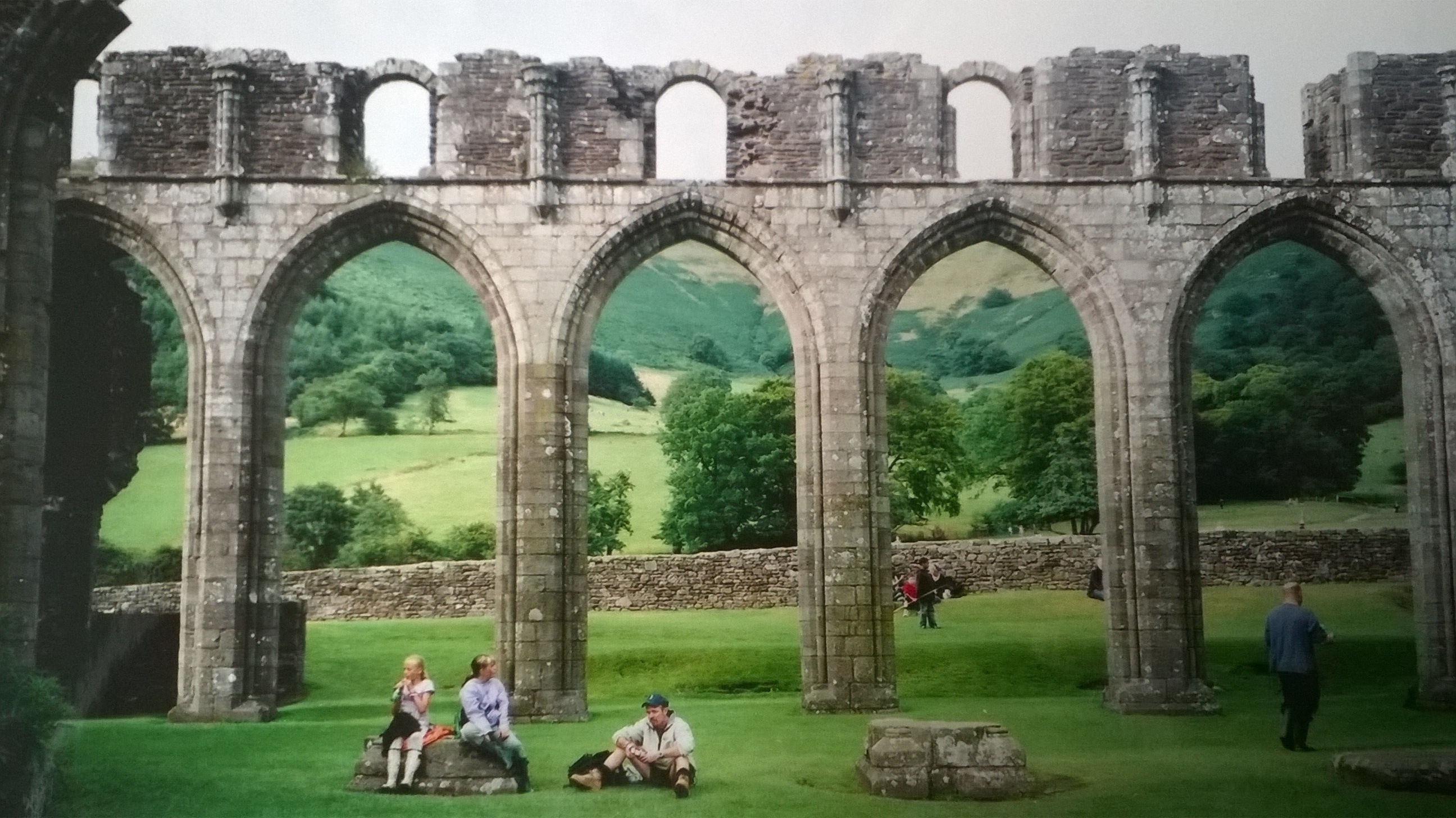
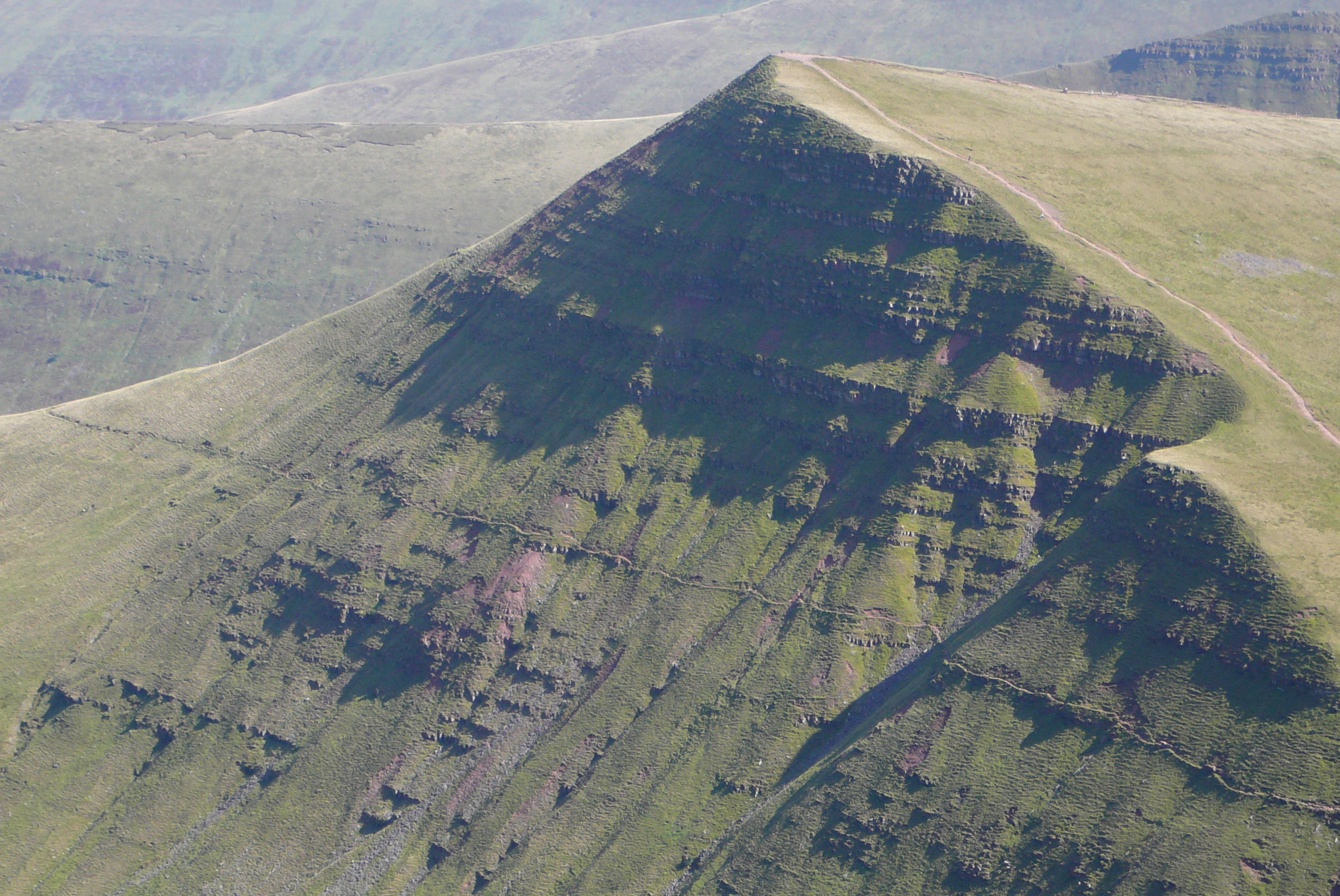
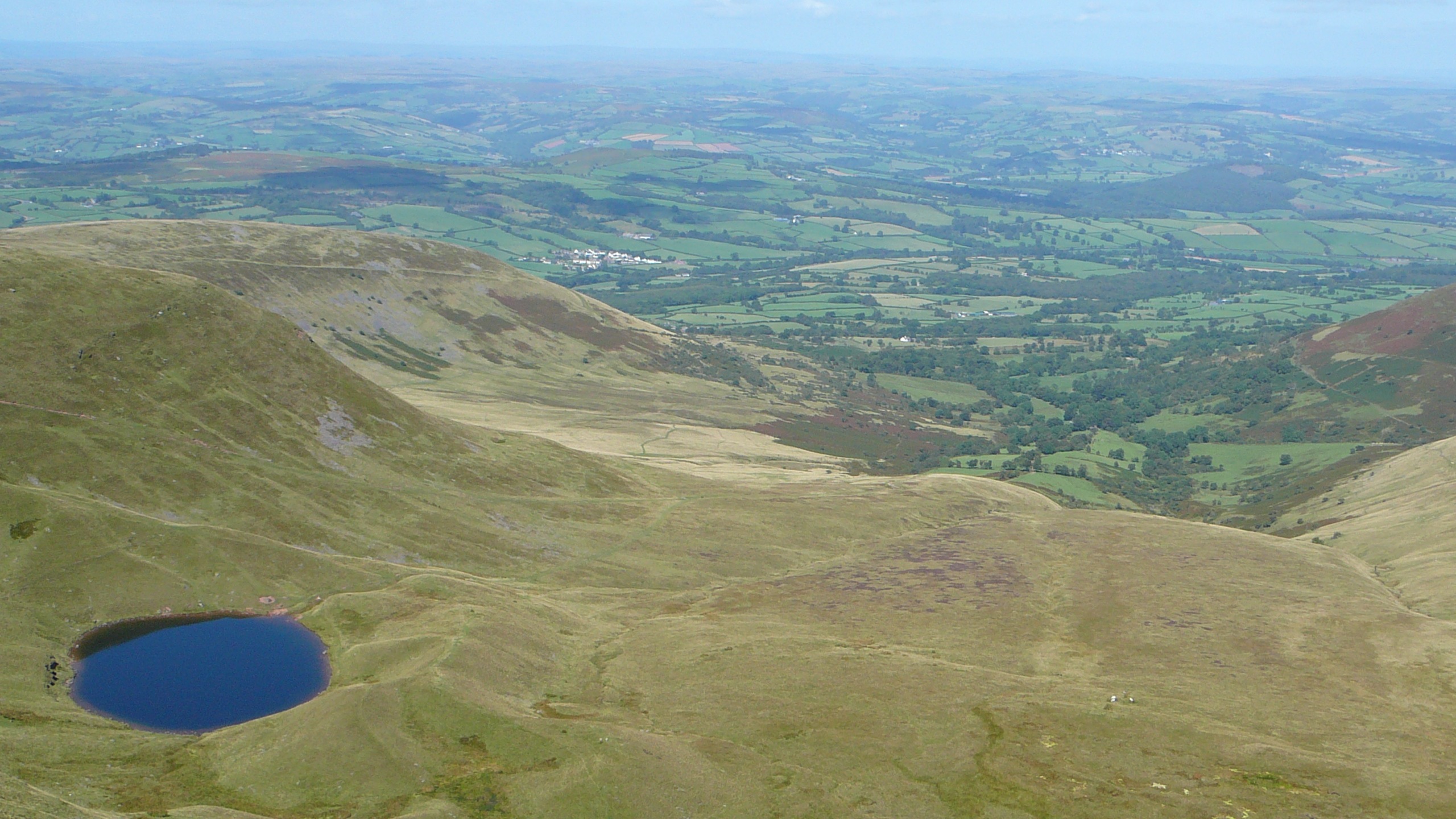
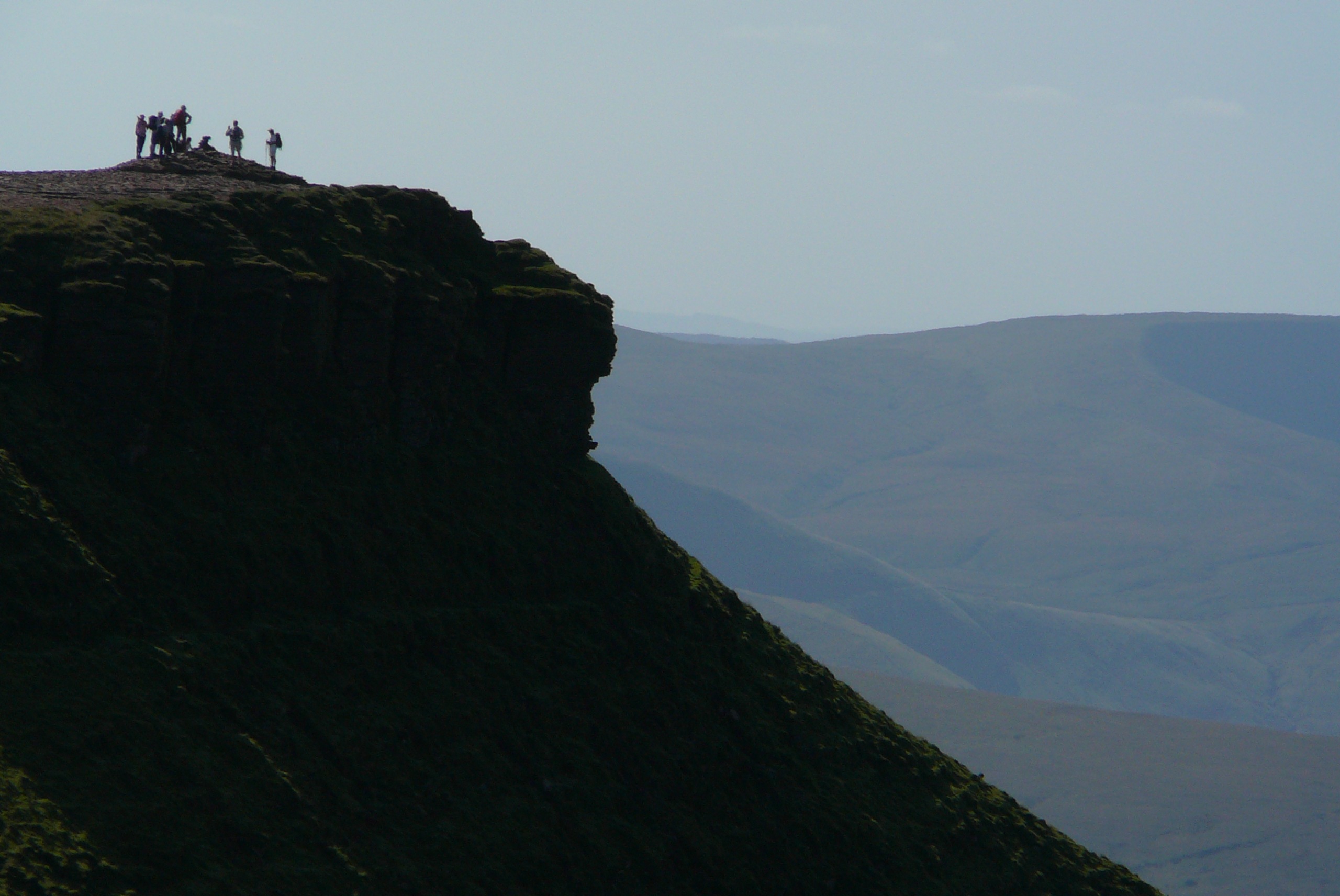
Rowan Cottage, the house that Lizzie inherits in The City of Light, is set near the fictional village of Hebley, loosely based on the black-and-white village of Weobley. I’ve already posted about the real garden of rooms that The Secret of the Tirthas is based on here, but here’s a few photos of the remote, beautiful, and occasionally austere area known as the Welsh Marches, which serves as a backdrop to the books:
Looking towards Hay Bluff and Twmpa, at the western edge of the Black Mountains
The Golden Valley
Across the border in Wales: Herefordshire bull, Vale of Ewyas
Last weekend I handed a copy of The Red Sea Sharks to a cashier at Waterstone’s in Guildford. She went ‘Ah wow, Tintin!’ and immediately asked my son if he knew who their mezzanine statue of the bearded sailor was.
Well, he’s four, so he didn’t have a clue, but I of course mumbled that it was Captain Haddock. How would she know I’d spent a few days ploughing through my recently rediscovered collection of Tintin books – and found this one missing?
It got me thinking just how much Herge (Georges Remi, the Belgian creator of Tintin) had influenced The Secret of the Tirthas. I remember the excitement of getting up before everyone and rushing downstairs to read The Cigars of the Pharoah in the early morning light. I loved the rich variety of the story settings, the good humour and painstaking attention to detail. Trekking and yetis in Tintin in Tibet. Dying of thirst in the desert in The Crab with the Golden Claws. Being chased by an ape in a Scottish castle in The Black Island. Marooned on a raft in The Red Sea Sharks.
When I started working out The Secret of the Tirthas I was thinking about how the world itself can be as awe-inspiring as any fantasy creation, especially when new places are seen for the first time. What better way to explore this than to have a multitude of exotic locations accessible from your back garden?
The Cigars of the Pharoah remains my favourite Tintin book, set mainly in Egypt and India. I read it at something like eight years old and found it exciting and very, very funny, especially the character of Sophocles Sarcophagus. And the first two countries, alongside Nepal, that I went to on my own steam were Egypt and India, so I’m sure Herge’s influence runs deep.
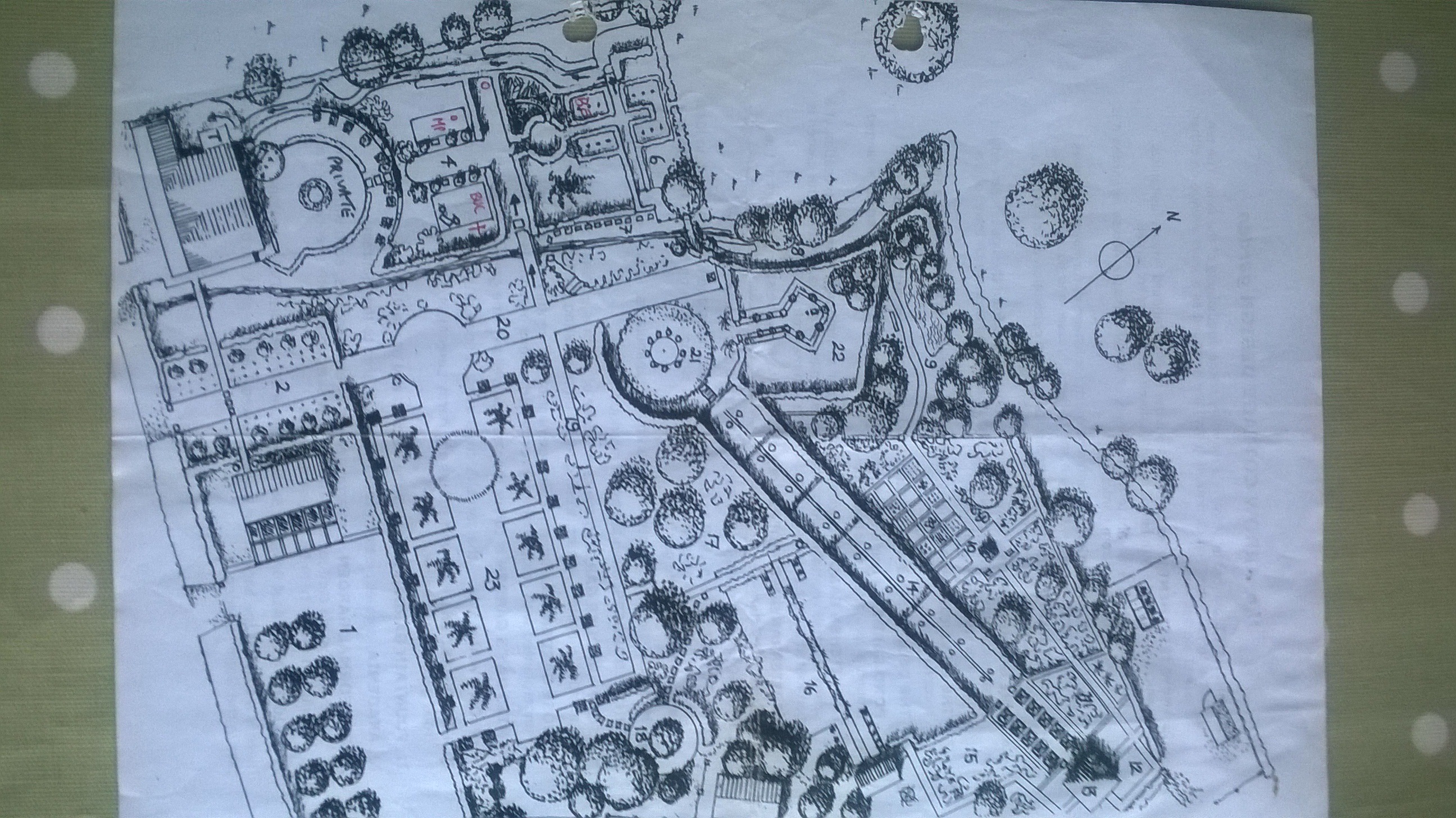
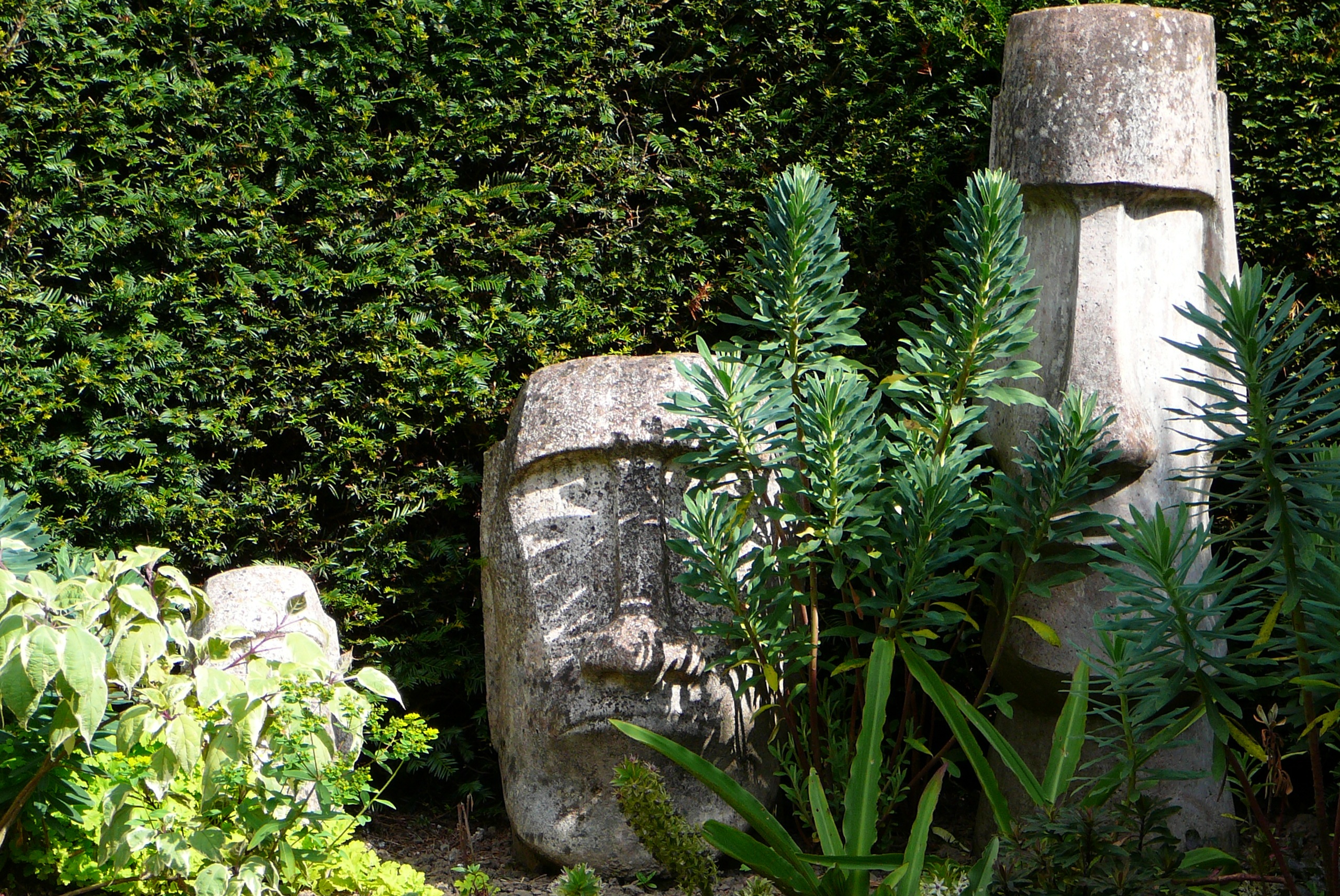
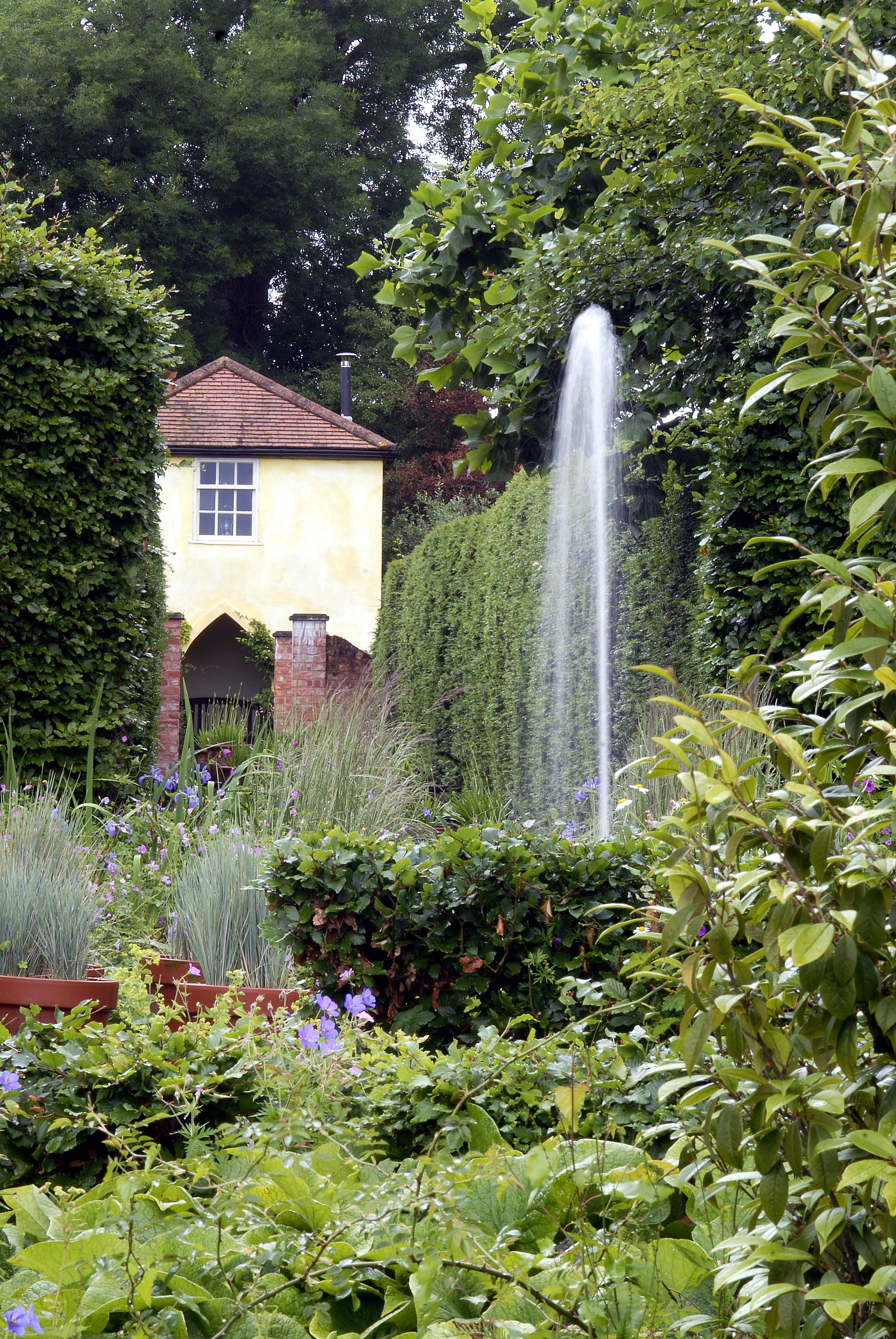
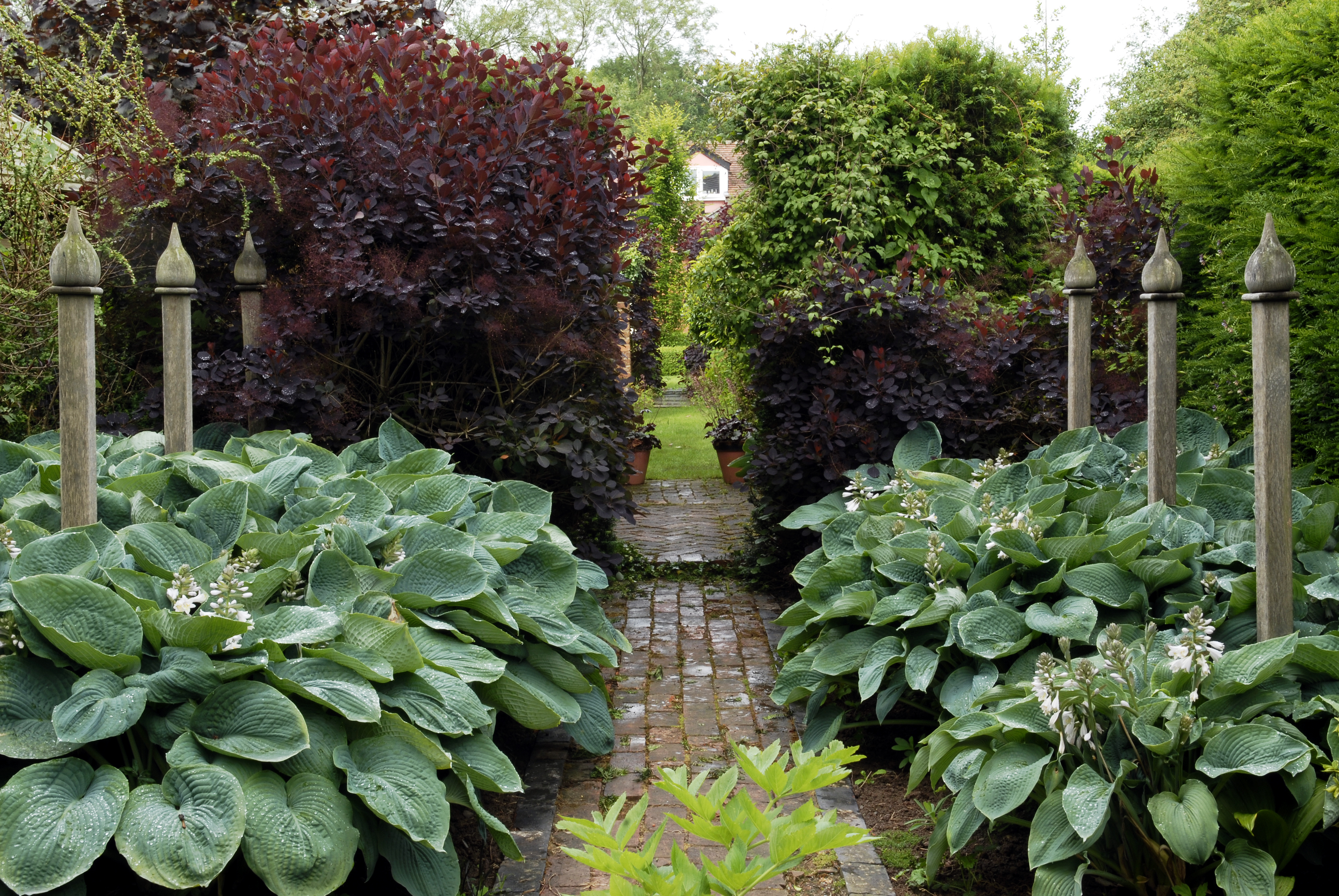
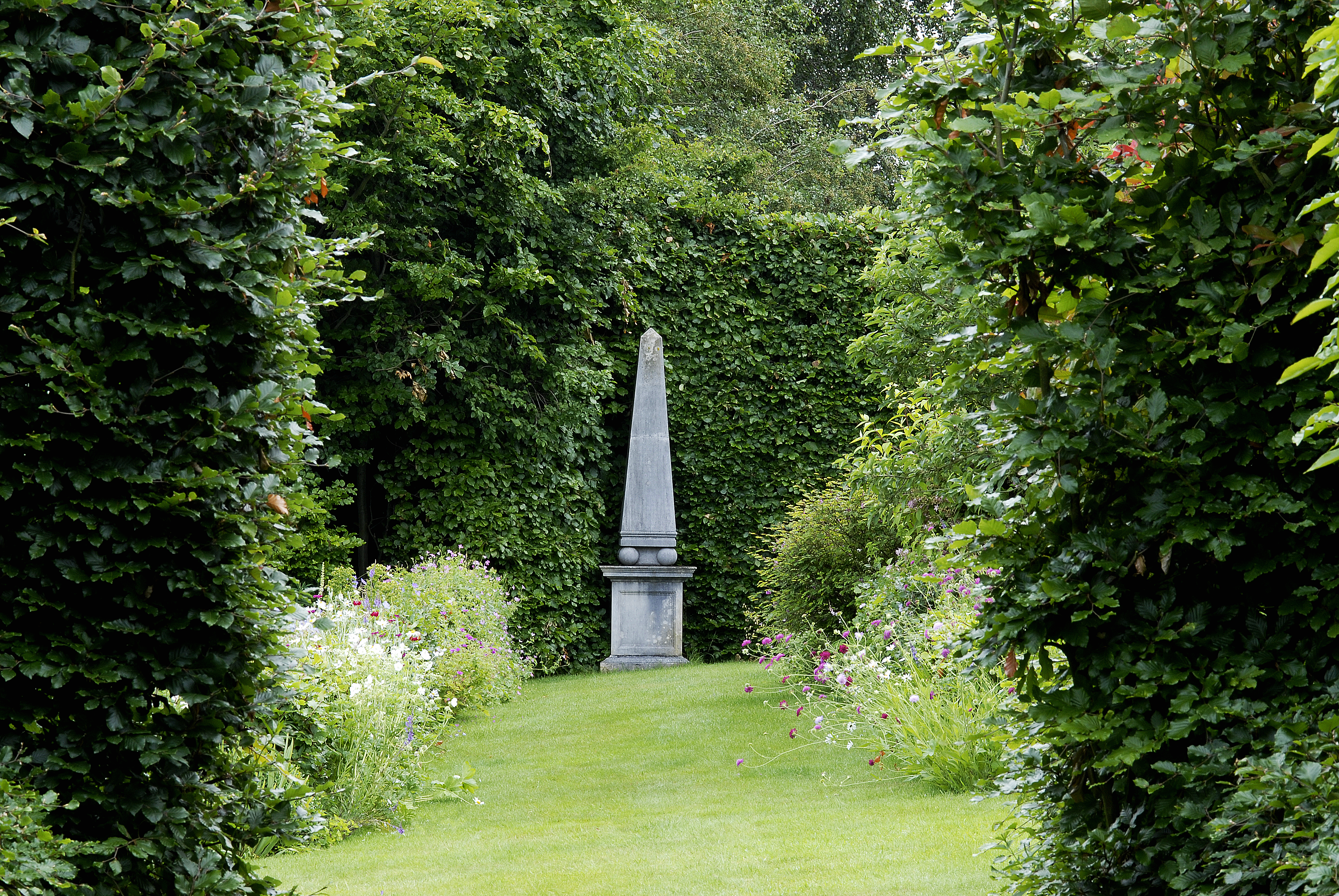
The Secret of the Tirthas was inspired by a unique garden in a remote part of Herefordshire. The garden consisted of over 20 hedged rooms, laid out over two acres behind a sixteenth century cottage. It was designed and constructed by the landscape designer Lance Hattat and his wife.
Here’s a sketch of the layout:
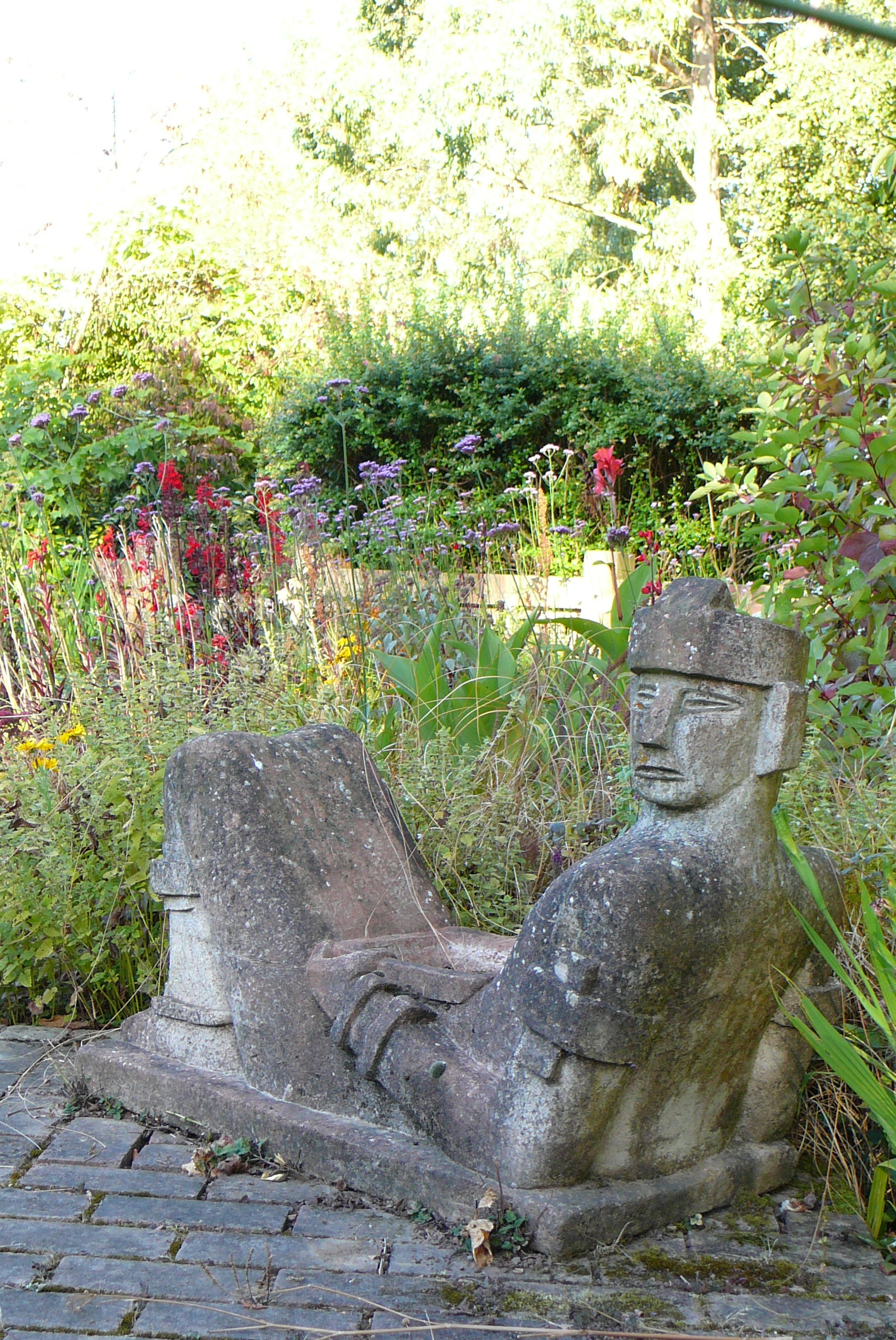
The rooms were inspired by seemingly random themes, ranging from South American gods to the designer’s favourite Edinburgh restaurant, to Easter Island statues and the elusive Miss Day.
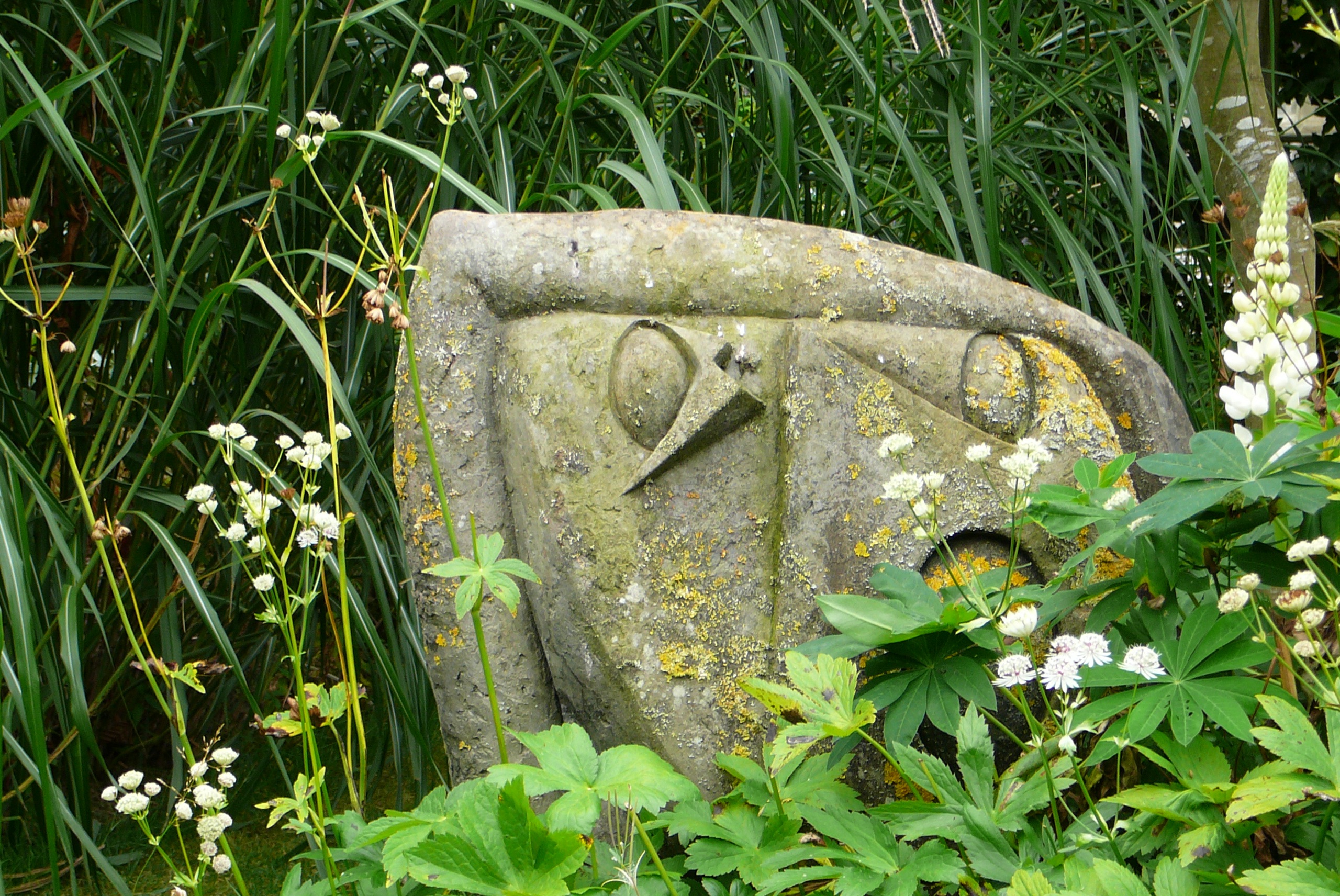
Original and startling sculptures were supplied by a range of artists but particularly the talented Helen Sinclair.
The garden only covered a small area, but the intricate rooms with their range of features – ponds, towers, statues, brooks, summer houses, orchards, bridges, arches, fountains – all served to create a sense of a much larger space, with a seemingly endless sense of discovery and surprise.
The layout of the garden in The Secret of the Tirthas is largely based on the original layout, with a few notable exceptions – The Indian Garden is entirely new, for instance.
I’ve heard that the garden has been significantly dug out and replaced by a vineyard now, which is a terrible loss to those who knew and loved it (it was open to the public for most of the summer). I hope the books can help to preserve at least something of that special garden in rural Herefordshire.
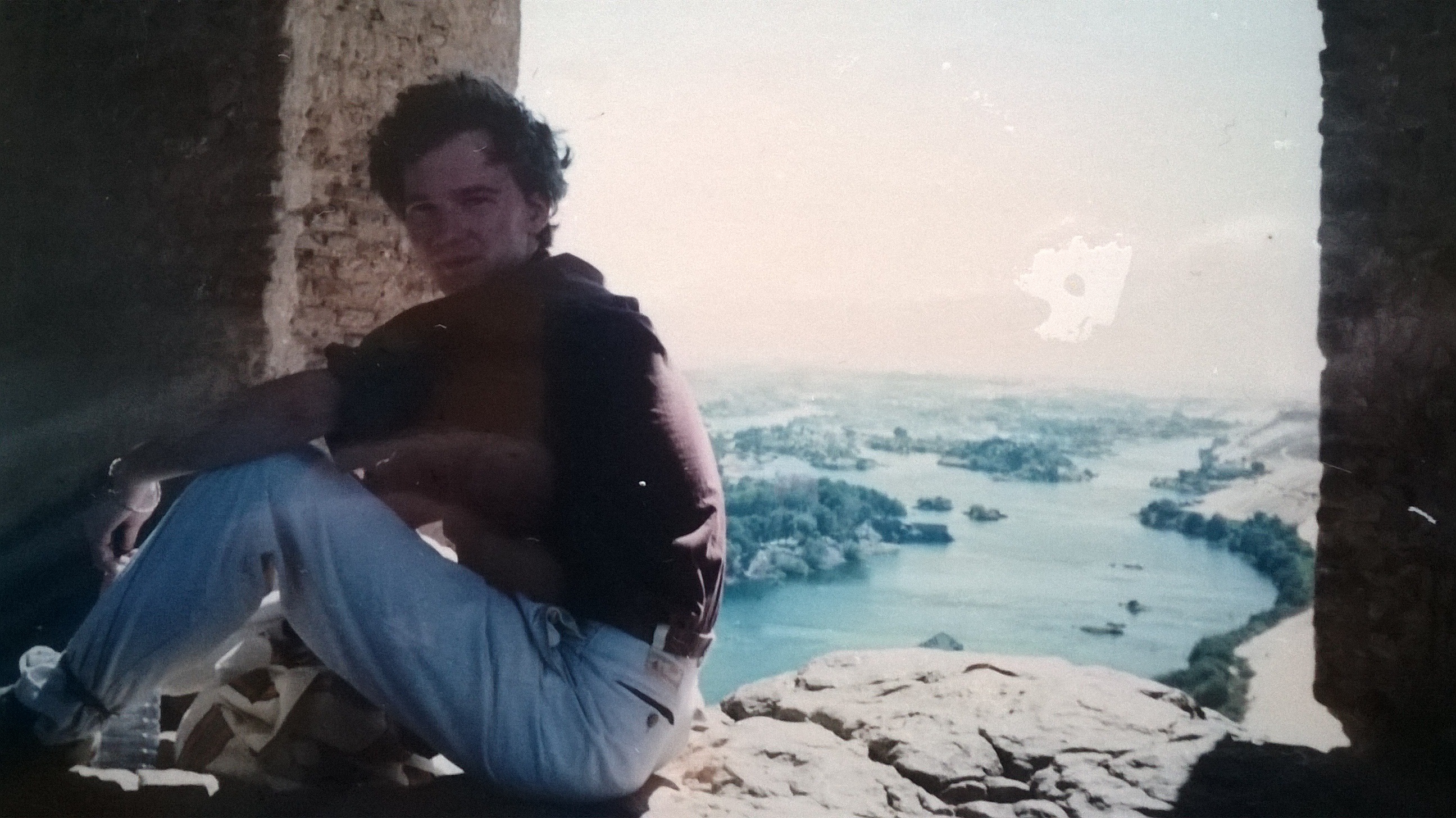
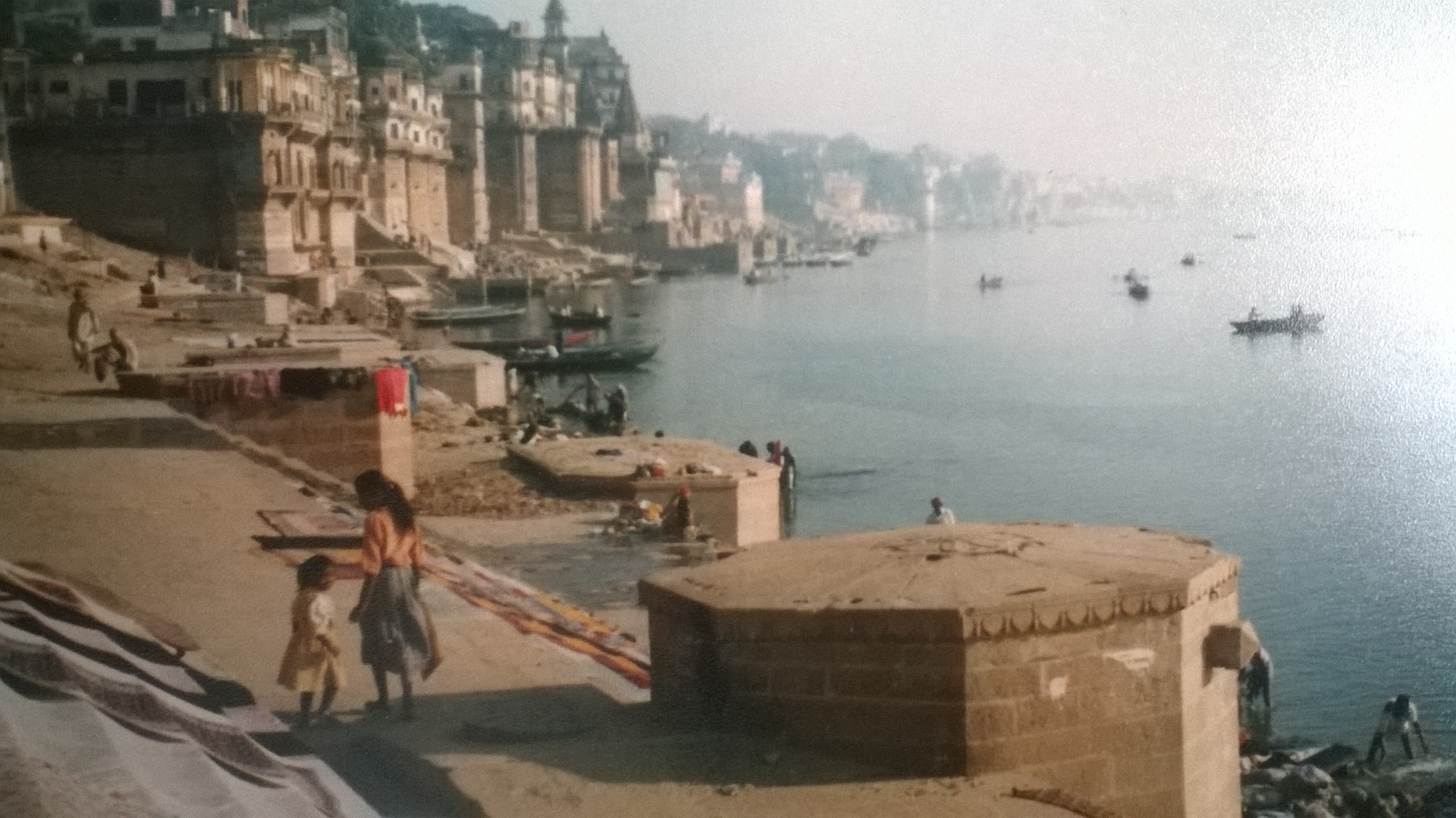
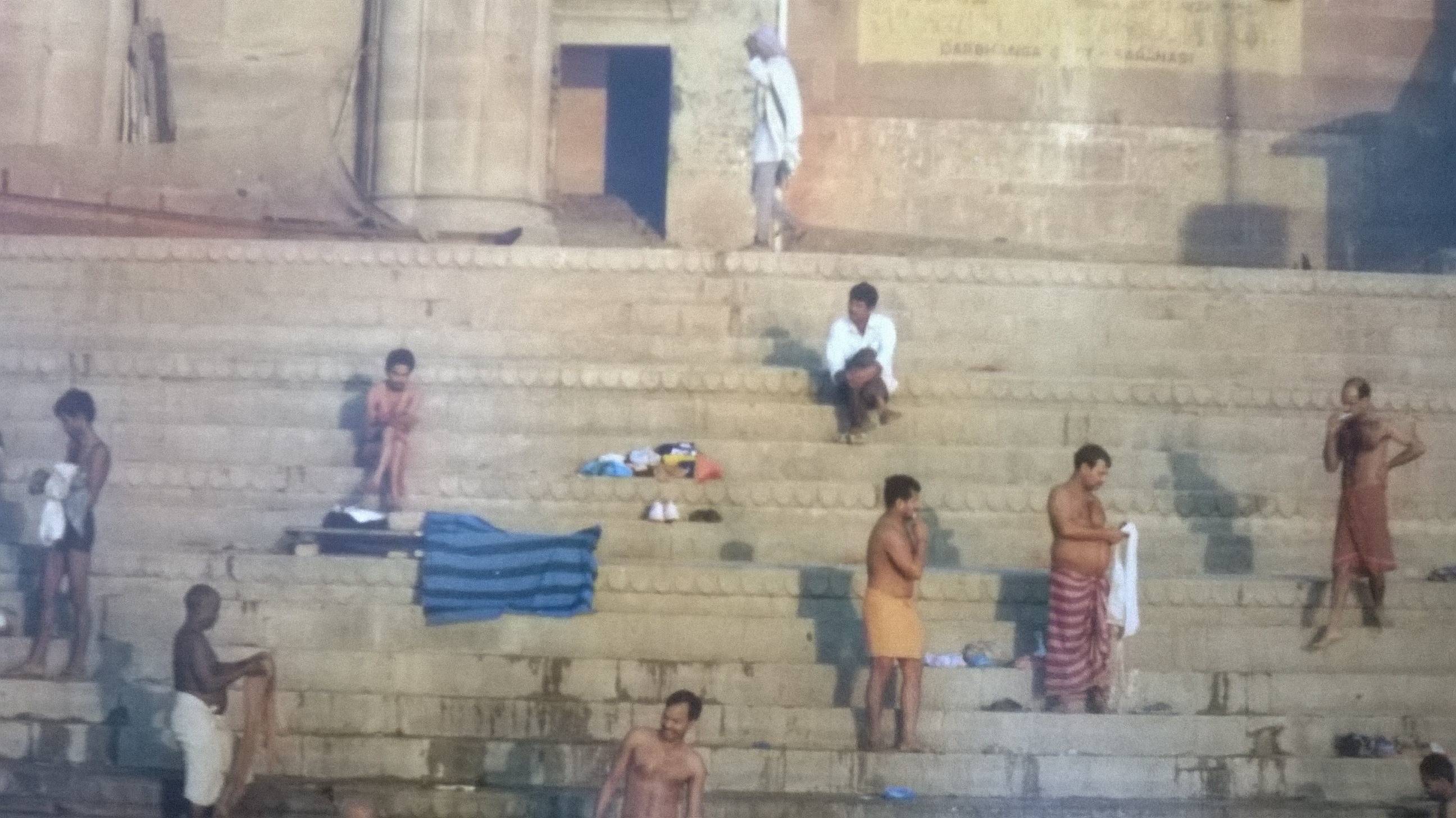
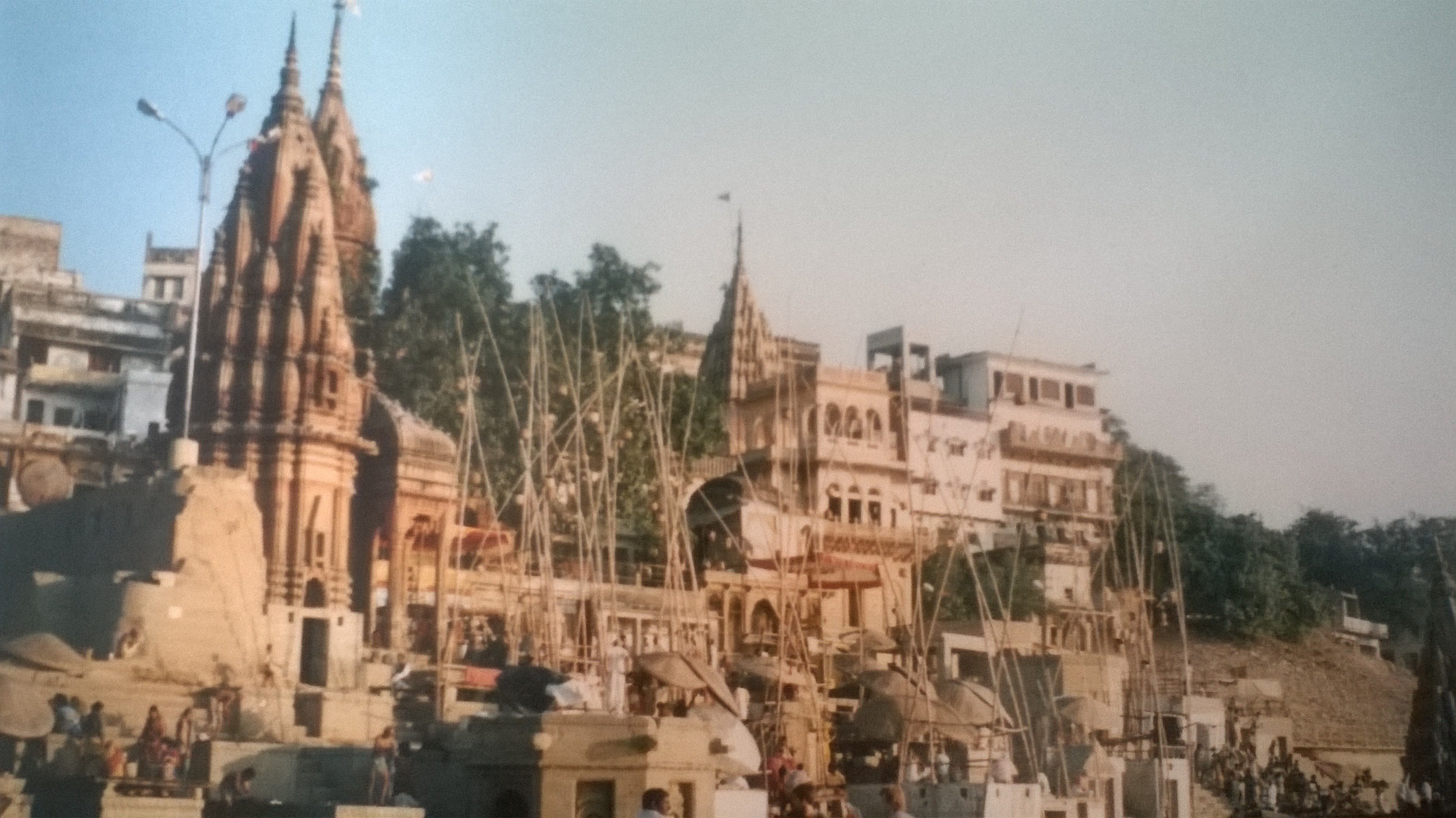
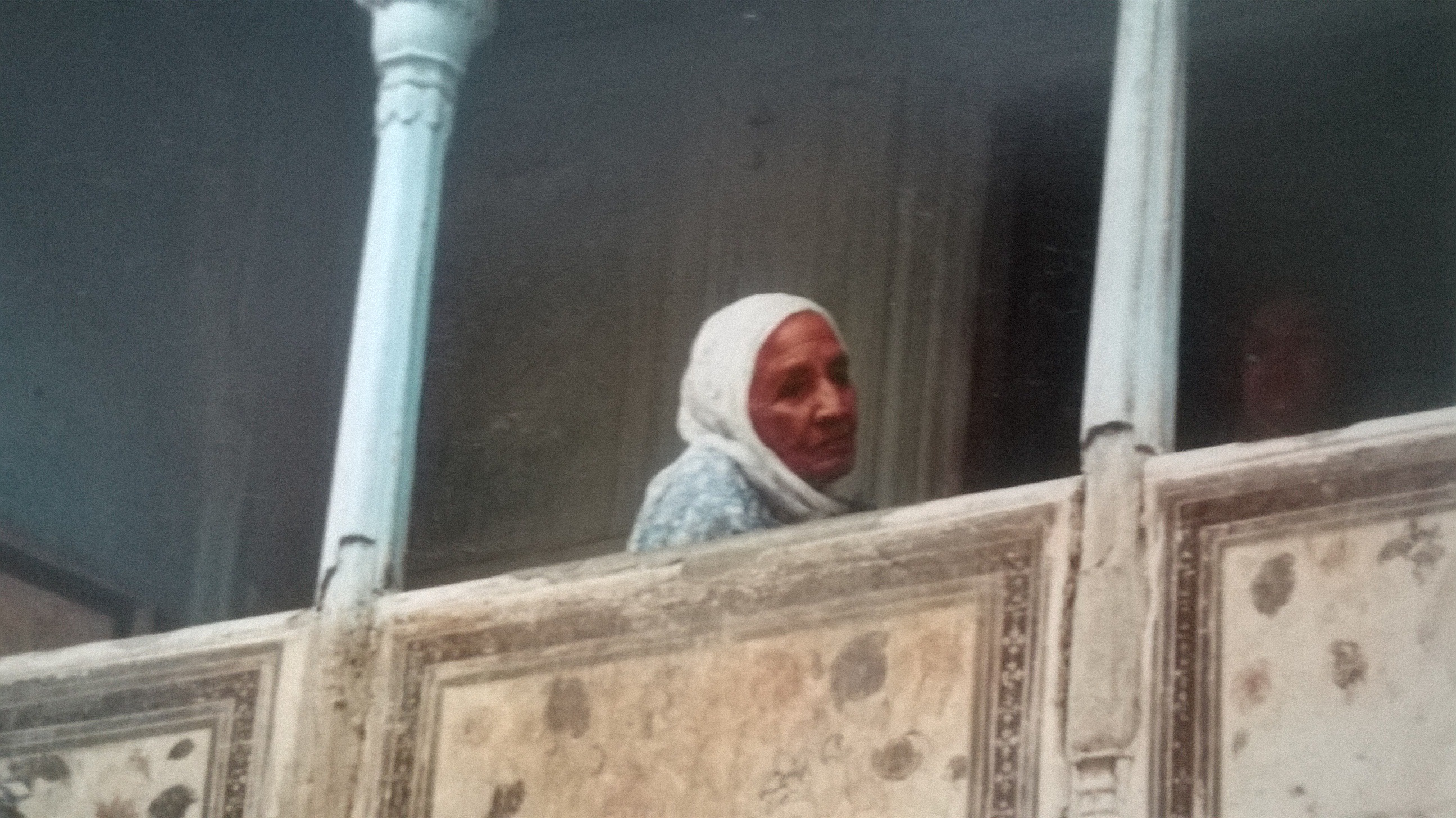
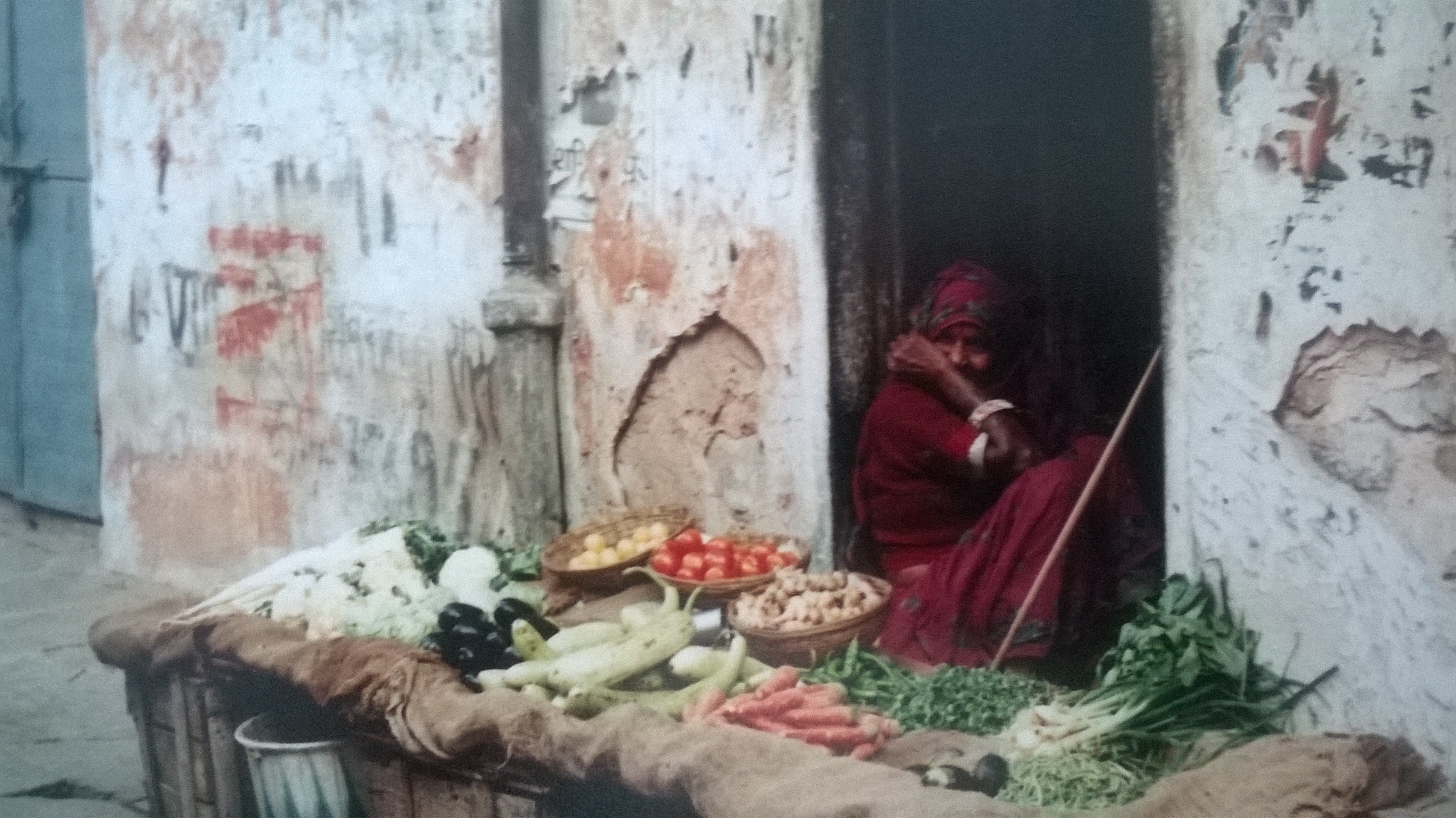
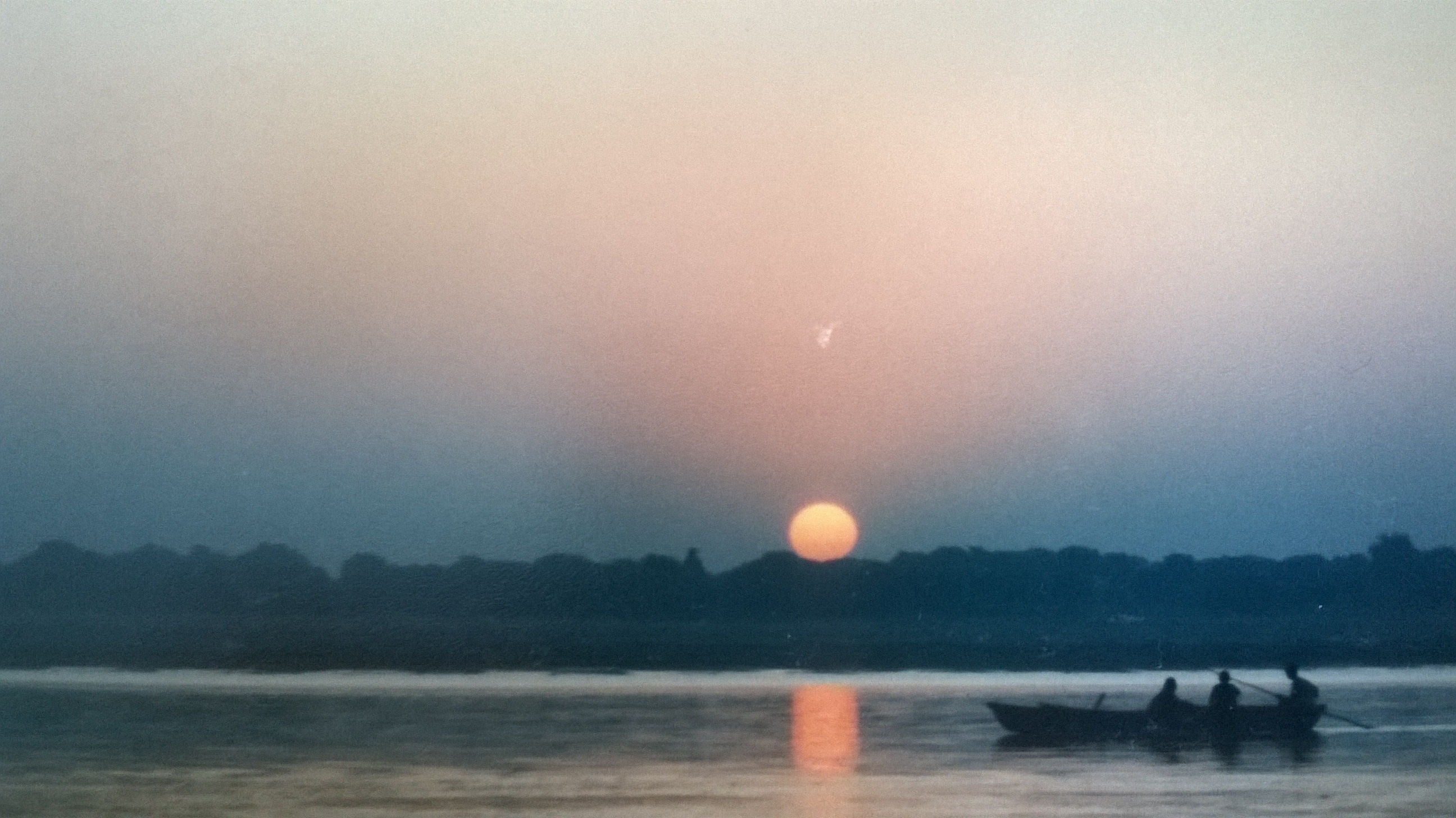
The city of Kashi – or Varanasi, as it is more commonly known now – is stunning. Shiva’s city, the City of Light, was the first major place I reached in India, coming down overland by bus from Nepal. Here’s some excerpts from the notes I wrote about it on my first morning (accompanied by some pretty old photos):
“Wake 4ish, head down to the ghats for sunrise – wander through locals and tourists to find an older man who declares himself the ‘boatman not a cheating man’ and we fix a price of Rs 120.
“Row up and down the ghats as sun rises – hundreds of Hindus washing themselves and washing their clothes by cracking them on the steps, praying in little rituals. Puja (worship) at sunrise is made with drums and bells and a ring of fire. Many just chatting too – a place for a bit of a get-together. Stunning views, with temples leaning into the water, mansions built for maharajahs, red stupas…
“Cremation being prepared at Manikarnika ghat – bodies wrapped in silver and orange on stretchers – though fires aren’t hot at dawn so mostly takes place at night.
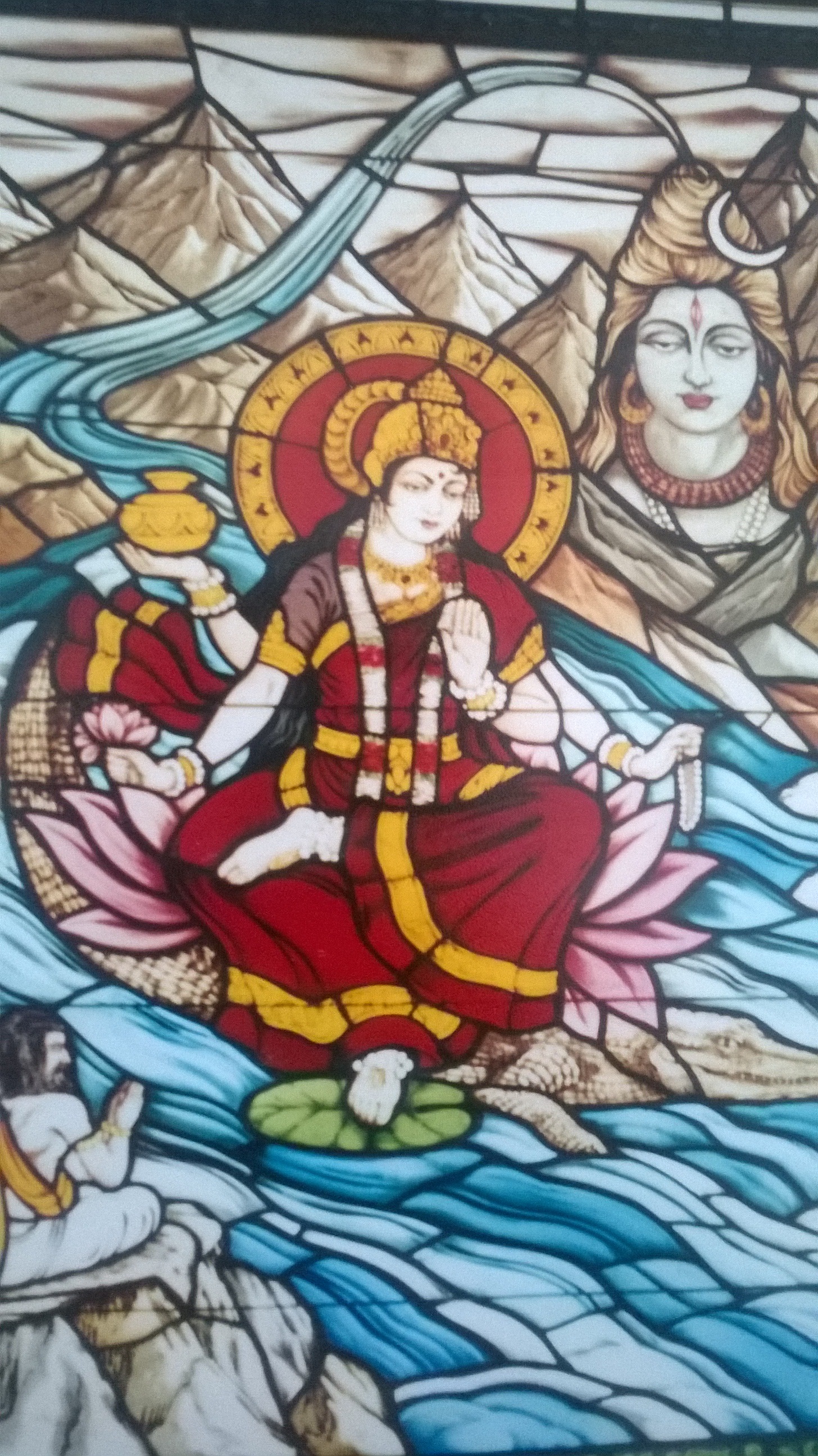
The Ganges, flowing down from Shiva’s hair
“A holy man (Brahma) beckons me on his wooden platform and, reassured by a passerby, I sit shoeless with him and stare into his surprisingly golden hypnotic eyes as he shows me his orange brahma string and paints my head for Shiva, then gives me a marigold necklace and another which I have to throw in the Gunga shrine submerged in the river…”
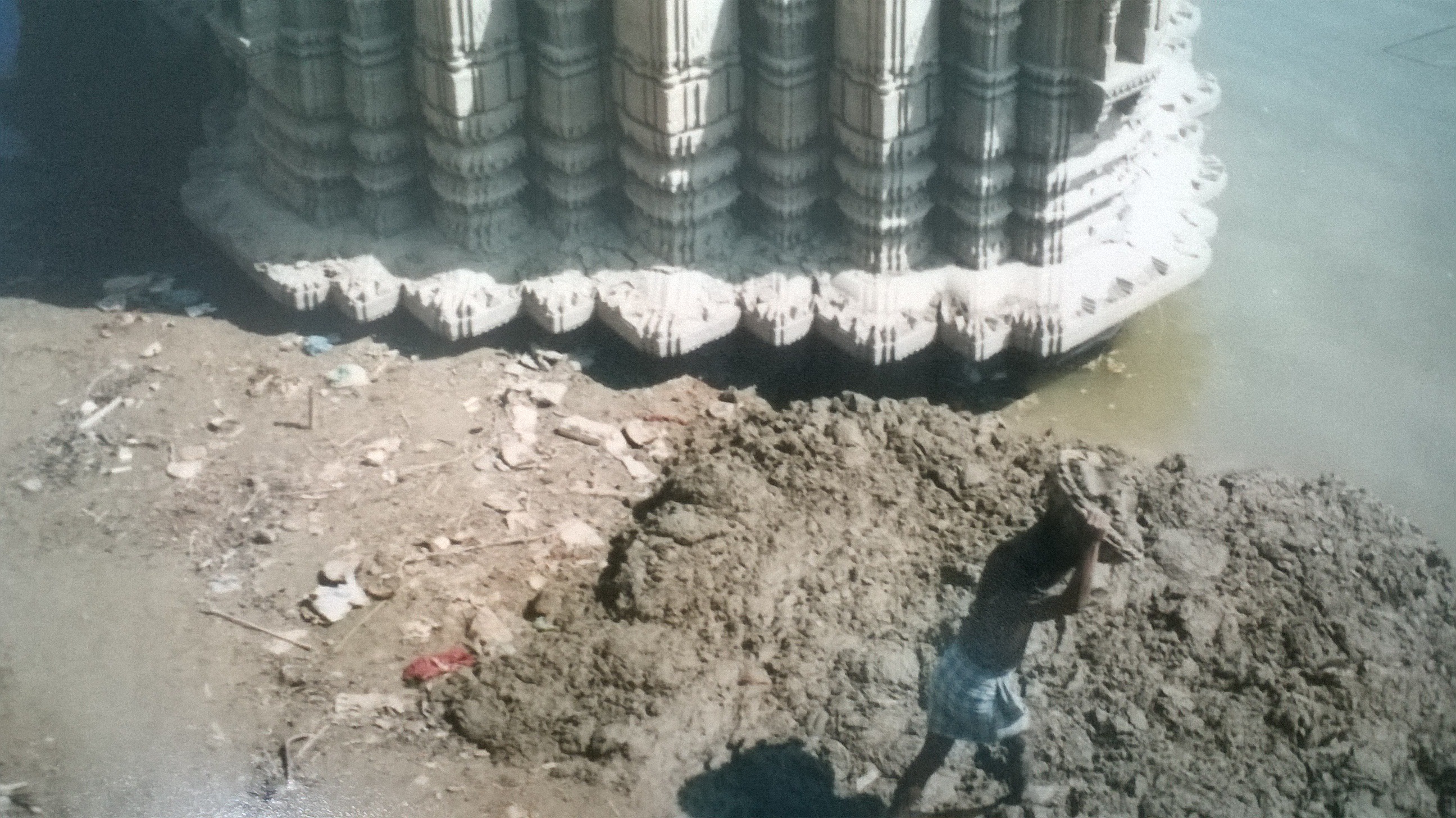
Clearing mud from one of Shiva’s holy wells, or ‘kunds’
Last year during the Indian general election Kashi was trending like mad on Twitter, chosen by the current Prime Minister, Narendra Modi, as his constituency. There are many problems in the city, particularly in relation to sanitation, pollution and conservation. But it has since been put on a list of 12 heritage cities to go on a national investment programme, HRIDAY, and there is a campaign to make it into a World Heritage site, which as one of the longest inhabited cities in the world it certainly deserves.
Whilst Mumbai is seen as the financial capital of India, and Bangalore the centre of its massive IT industry, Kashi is considered its heart and soul. For me, the City of Light was the highlight of India.
It’s here to let you know more about me and my books. I’ll be using this blog particularly for items about the journeys and places that inspired The Secret of the Trithas – and I’ll also be putting up some of the poems I’ve had published over the years.
I hope you enjoy it, feel free to leave some feedback below.