Category Archives: Reviews and Recommendations

Modern Ghost Stories: Five Favourites

If you’re looking for the best modern ghost stories to read this winter, here are five atmospheric, unsettling, and beautifully written tales that showcase the very best of supernatural fiction by contemporary writers.

It’s been a long time since I put together one of my ‘Five Favourite’ posts. And while I’ve already shared my Five Favourite Creepy Stories, it feels remiss that I’ve never tackled my Five Favourite Ghost Stories.

Selecting just five was a hard call, but here they are — as of today. Ask me again in six months and the list might look very different.

Modern Ghost Stories: The Woman in Black by Susan Hill

1. The Woman in Black – Susan Hill

This one has everything: a superb gothic setting (an isolated mansion on a fog‑shrouded sea marsh, cut off by the tide at night), a credible but naïve hero you can’t help but empathise with, and — most importantly — a ghost who is both chilling and devastating in her intent. If you love ghost stories and haven’t read this yet, rectify that immediately!

Buy The Woman in Black on Amazon.

2. Pine – Francine Toon

    A haunting tale set in the moody Scottish Highlands, following a girl and her father as strange events begin to fracture their world. Atmospheric, wintry, gothic, and unsettling — perfect reading for the darker months.

    Buy Pine on Amazon.

    3. Dark Matter – Michelle Paver

    My favourite of Michelle Paver’s ghost stories. Who can resist a spectral presence in the Arctic wilderness? Set during an early‑20th‑century expedition, the story slowly isolates our uncertain hero in perpetual darkness, where he begins to fear the presence of “the one who walks”. Intense, claustrophobic, and genuinely chilling.
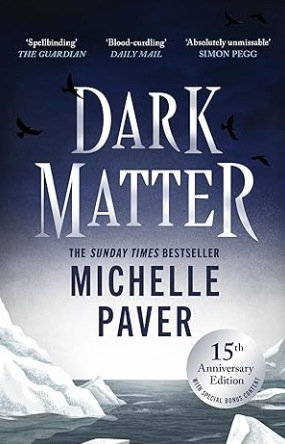
    Modern Ghost Stories: Dark Matter by Michelle Paver

    Buy Dark Matter on Amazon.

    4. Carfax House – Shani Struthers

    A standout ghost story from Brighton author Shani Struthers. A woman is left alone in a country house in the run‑up to Christmas when her husband is delayed in London.
    Psychologically rich and deeply haunting, the story blends family memories with the creeping sense that something else resides within the walls.

    Buy Carfax House on Amazon.

    5. Ringing the Changes – Robert Aickman

    Aickman’s “strange stories” defy easy categorisation, and this one is no exception. A newly married couple arrive in a seaside town just as a disturbing bell‑ringing ritual begins — a ritual that seems to rouse the dead. Whether you’d call it a ghost story is debatable, but it’s one of the most unsettling tales I’ve ever read. Not quite as modern as the rest of my list (Aickman died in 1981), but hugely influential on contemporary weird fiction.

    Buy Dark Entries (the collection that includes Ringing the Changes) on Amazon.

    Modern Ghost Stories: Honourable Mentions

    It was exceptionally hard to keep this list to five, so here are a few favourites that could easily make the cut next time:

    The Shining – It feels almost rude not to include the great man. A masterpiece.

    Daughters of the Oak – Suffolk author Becky Wright is a huge favourite of mine; she’s a master of eerie, otherworldly suspense. Read my review of Daughters of the Oak on Goodreads.

    The Little Stranger – A brilliant, class‑haunted tale of unrequited love with a superb twist.

    The Weejee Man – A new voice in Irish ghost stories, NP Cunniffe crafts a tale that has all the classic elements but still feels fresh and original. Check out my review on Goodreads.

    The Winter Spirits – A wonderful collection of festive chillers from some of the best contemporary writers of the macabre. Read my review of The Winter Spirits on Goodreads.
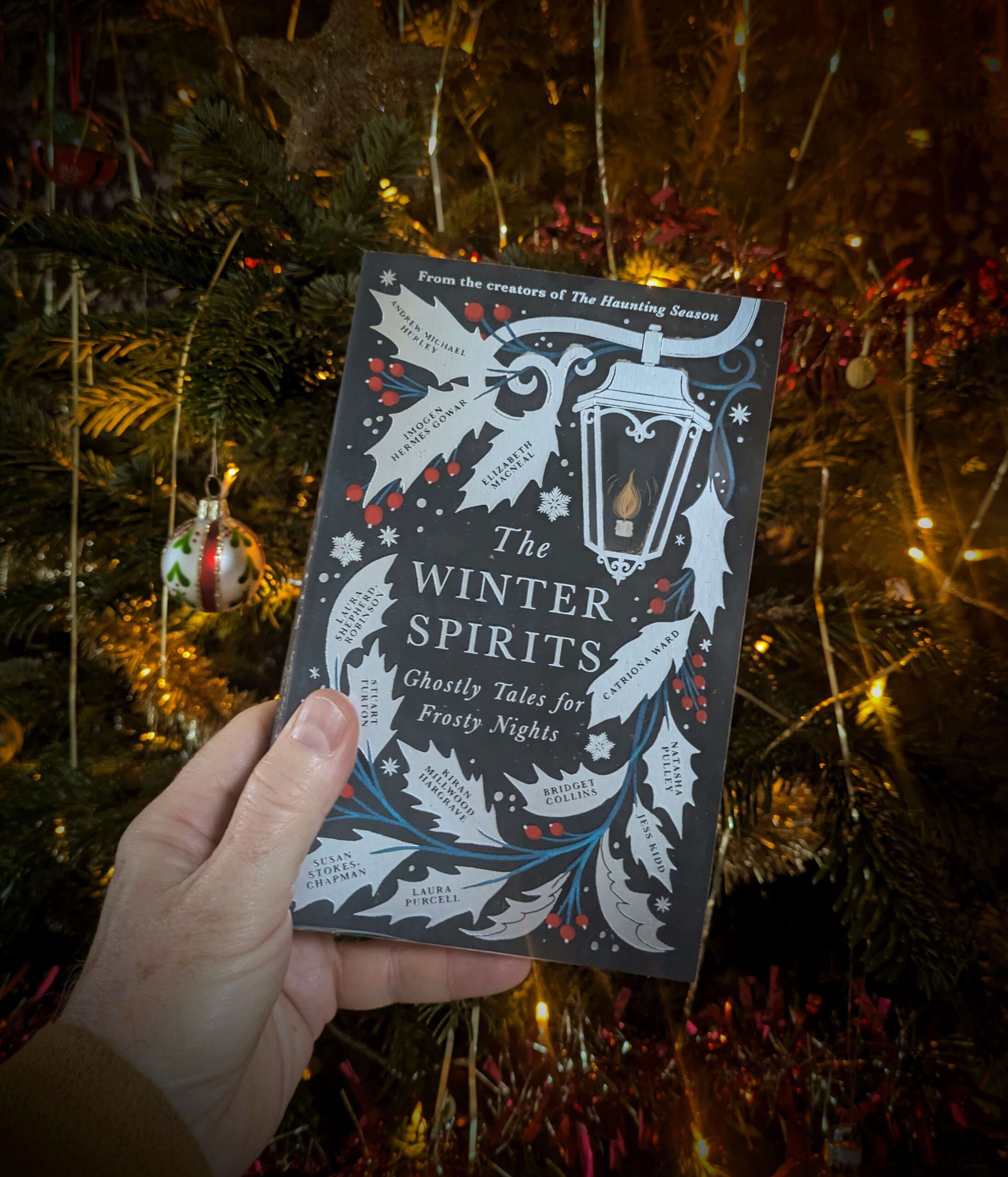
    Cover of The Winter Spirits

    What are your favourite modern ghost stories? Let me know in the comments — I’m always looking for new chillers to add to my list.

    This post contains Amazon affiliate links. If you buy through these links, I may earn a small commission at no extra cost to you.
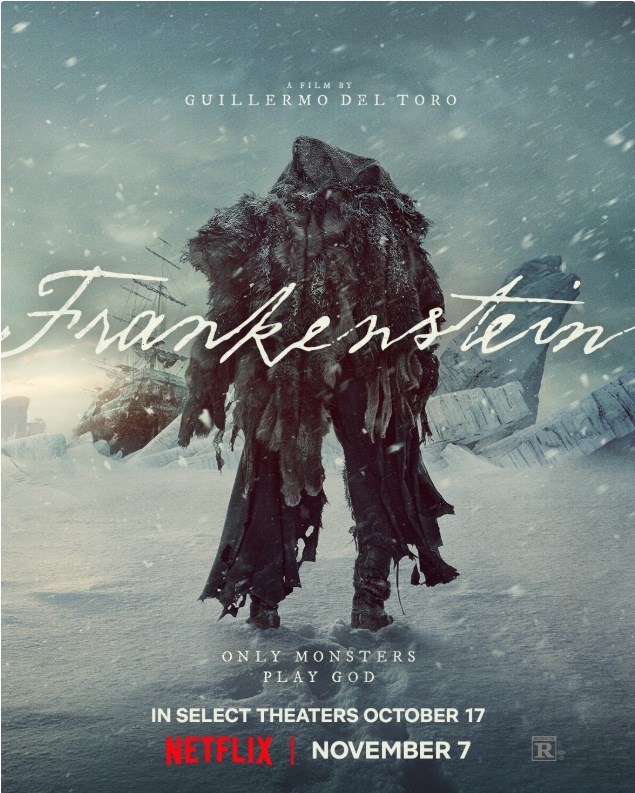
    Guillermo del Toro’s Frankenstein: Beautiful, Tragic, but Missing Horror

    Frankenstein movie


    I watched Guillermo del Toro’s Frankenstein last night, and as both a long‑time admirer of del Toro’s work and a devoted fan of Mary Shelley’s novel, I went in with high expectations.

    The film is visually stunning: every frame feels meticulously crafted, with gothic architecture, sumptuous interiors, and atmospheric landscapes that echo the novel’s mood. The performances are equally strong, with Oscar Isaac bringing intensity to Victor Frankenstein, Jacob Elordi embodying the Creature’s tragic presence, and Mia Goth reimagining Elizabeth in a role that diverges from Shelley’s original.


    Yet despite all this, I found myself slightly underwhelmed. The story is compelling, the themes resonate, and the acting is superb, but the film left me colder than I expected. The reason, I think, lies in its tone. Del Toro’s adaptation leans heavily into empathy and tragedy, softening the horror that defines Shelley’s novel. In the book, Victor is flawed but sympathetic, while the Creature inspires both pity and dread. Crucially, Shelley does not shy away from the monster’s vengeance: the murders of Victor’s brother William and his bride Elizabeth are shocking, chilling acts that cement the novel’s power.


    In del Toro’s version, Elizabeth exists but her relationship to Victor is reimagined, and the brutal wedding‑night murder is absent. This shifts the narrative away from horror toward melancholy. While the film succeeds in exploring themes of loneliness, humanity, and compassion, it loses some of the novel’s terrifying nuance. For me, that balance of sympathy and horror is what makes Frankenstein endure as a masterpiece of gothic fiction.


    Del Toro’s Frankenstein is undeniably beautiful and moving, but it trades the novel’s chilling edge for a more tragic, empathetic lens. Powerful, yes – but less haunting.

    Check out my review of the novel in my Five Favourite Creepy Stories post.

    Ten Years of Publishing!

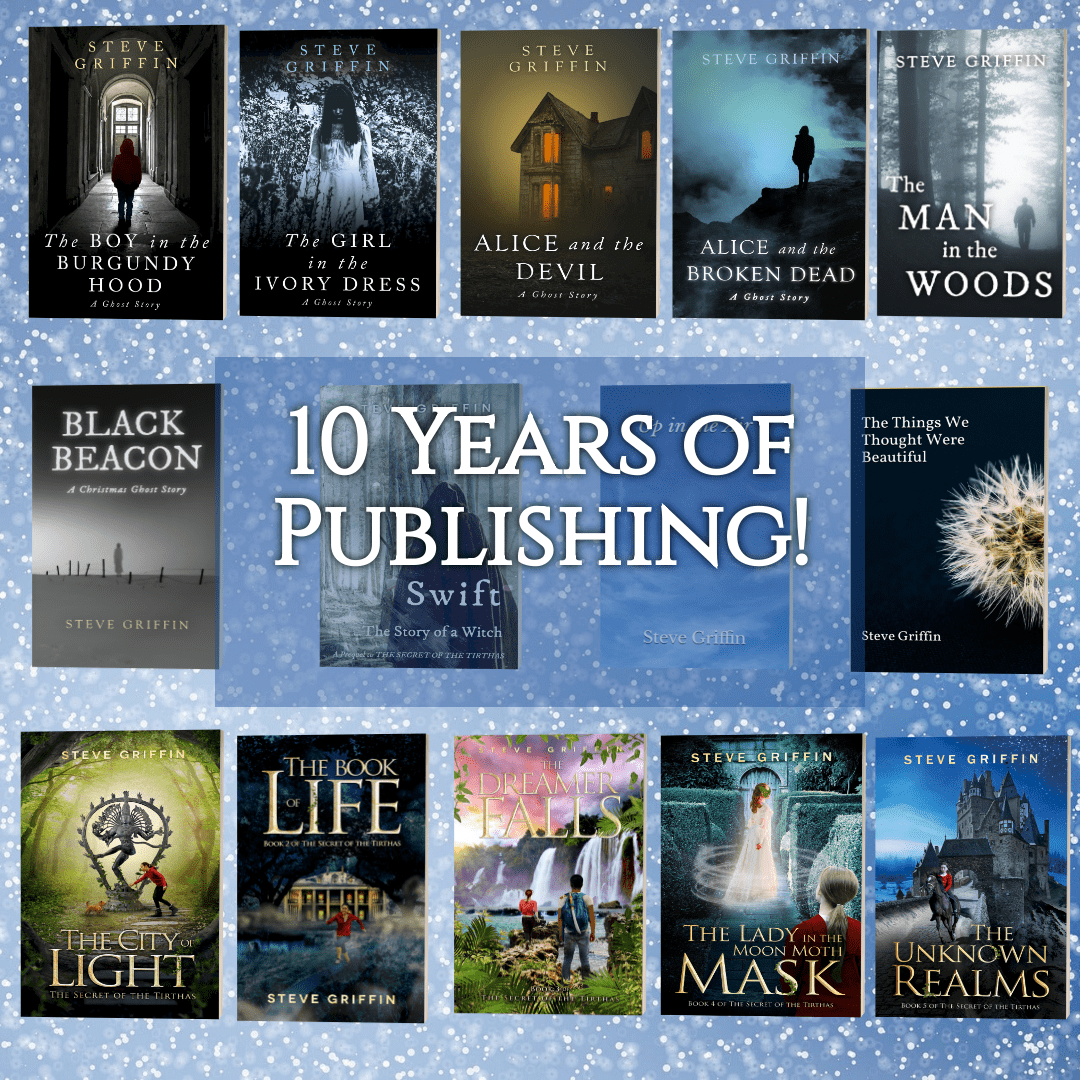
    10 years of publishing Steve Griffin

    This has been an amazing year for me. I’ve been writing since I worked out which way up to hold a pencil but my publishing journey didn’t begin until 2014 – ten years ago. Since then I’ve published 10 novels, 2 novellas, and 2 books of poetry!

    It’s been a blast. Whilst it’s not my main income source (I also work part-time for a neighbourhood charity in London), reading and writing have always been at the core of who I am. I wrote stories as a boy for my friends, published poetry in literary magazines in my twenties and thirties, and began writing full-length novels in my forties.

    Traditional vs. Indie

    The City of Light

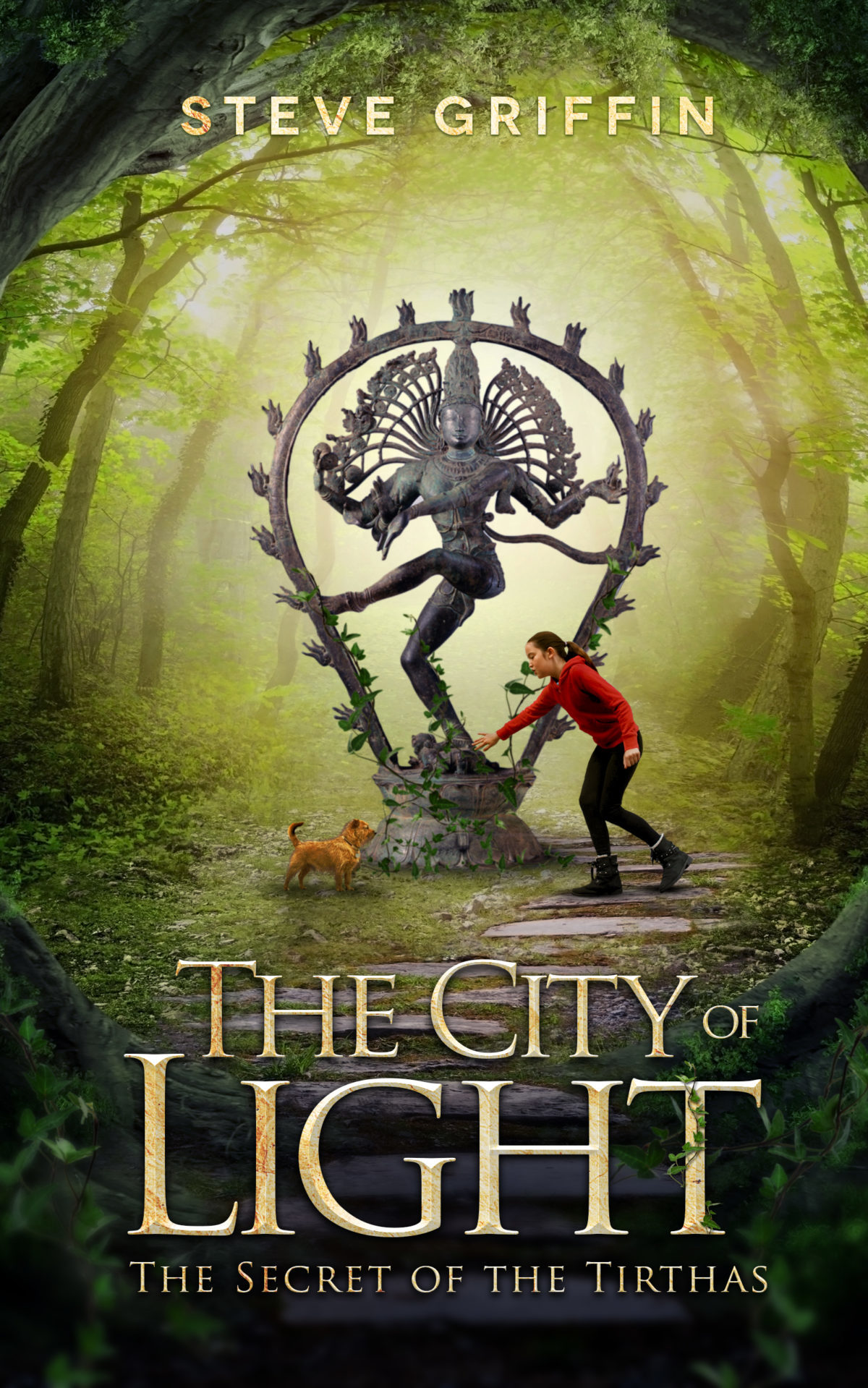
    Like most writers, I attempted the traditional route of publishing with my first book, The City of Light, via queries to agents and publishers. I had a good deal of encouragement – agents requesting full manuscripts, asking for edits, having a Children’s Rights manager at Random House championing the book through editorial teams – but ultimately, it didn’t come off. After all that emotional investment, I gave up thinking I’d ever be published. Then a family member suggested publishing independently. I looked into Amazon and, to be honest, never looked back. Amazon may have its faults, but without it I would never have published all these books.

    Books for Young Adults

    10 years of publishing The Secret of the Tirthas

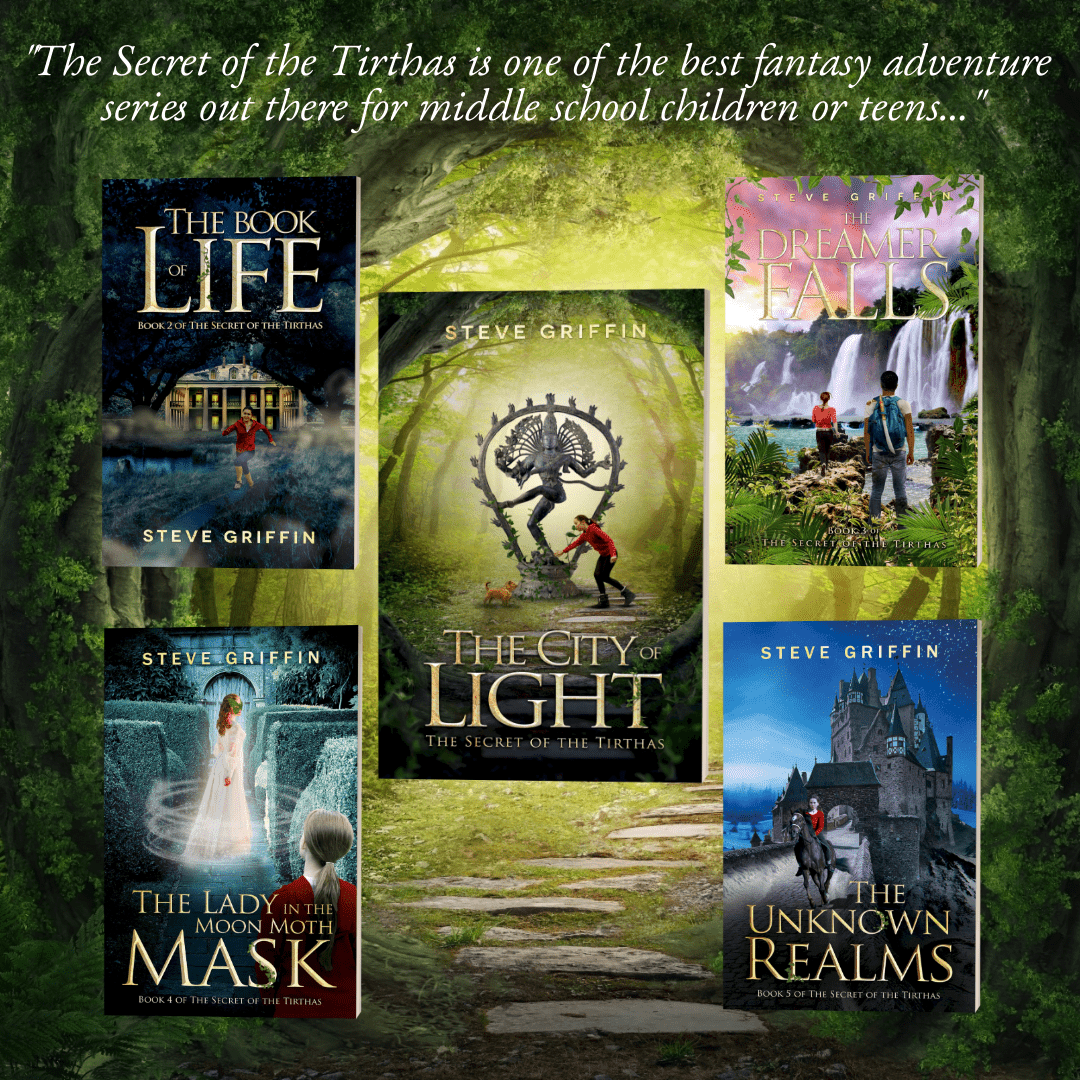
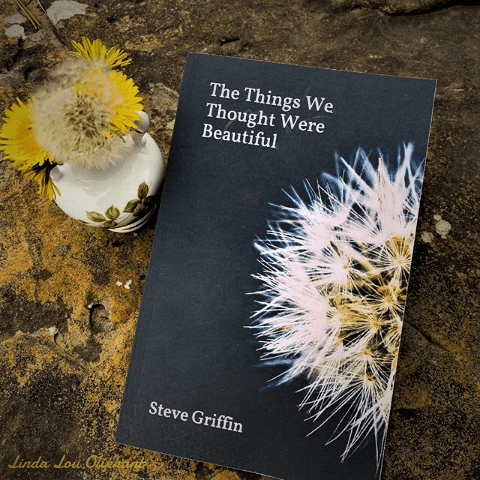
    The first novels I brought out were for young adults. The Secret of the Tirthas is a five-book adventure mystery series with a novella prequel, Swift: The Story of a Witch. It’s based on a magical ‘garden of rooms’ that my wife’s parents owned in Herefordshire, where I imagined each garden containing a portal to the place in the world it represented. When I’d finished that series, I collected the poems I’d had published in poetry magazines together with a few new ones into two poetry books, Up in the Air and The Things We Thought Were Beautiful.

    The Things We Thought Were Beautiful Poetry Book

    Ghost Stories for Adults

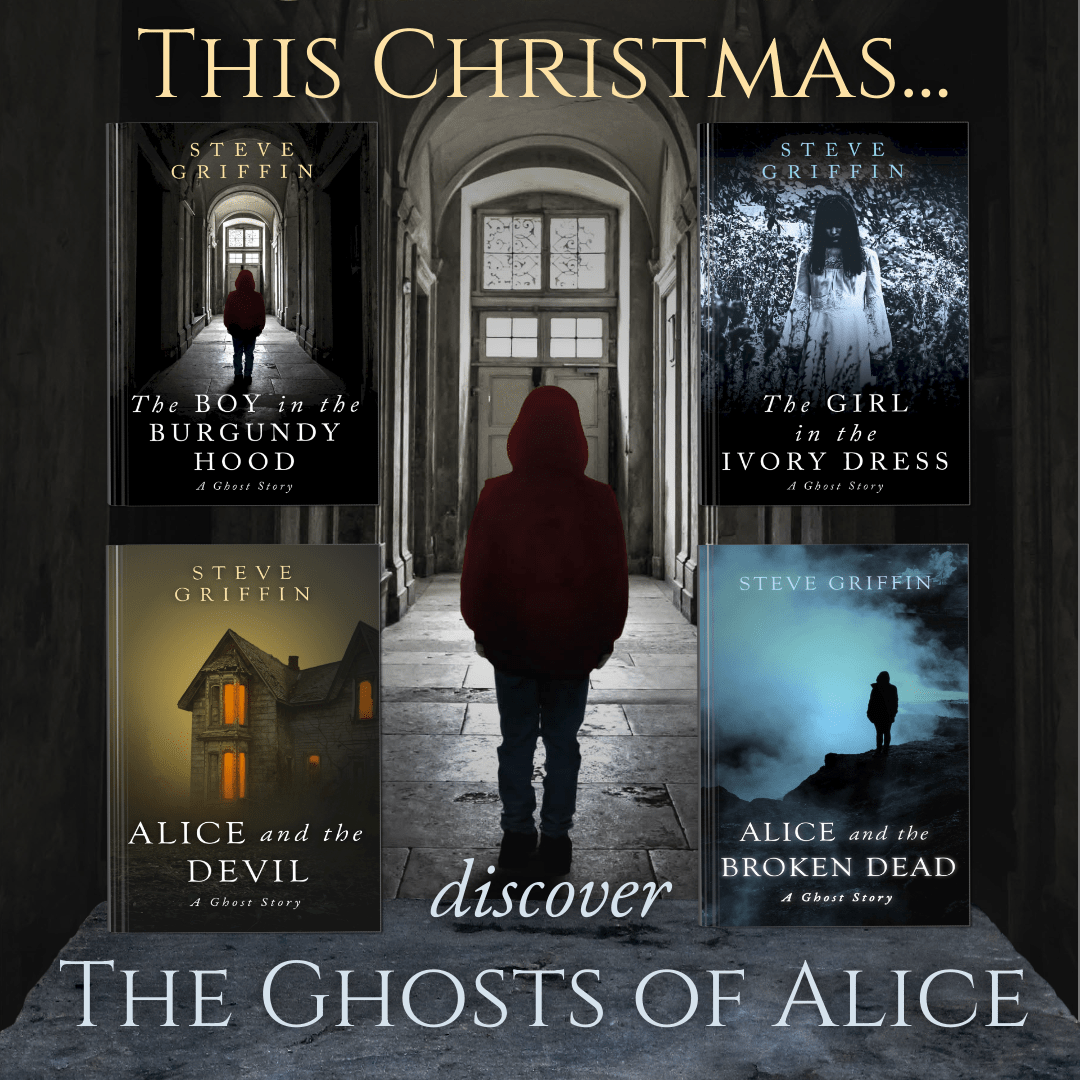
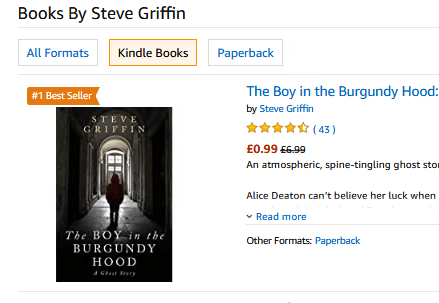
    Encouraged by good reviews and reasonable sales, I decided to branch out into writing for adults. I’d always loved horror films and books and so began The Ghosts of Alice series, starting with The Boy in the Burgundy Hood (2019). The story was inspired by an interview my wife had with a heritage agency to be a property manager in an old house where the previous owners still lived in a private wing. I was initially uncertain about changing genre, but The Ghosts of Alice found a bigger market than my young adult series – The Boy in the Burgundy Hood even became an international bestseller in Ghost Stories on Amazon! So I wrote more books in the series, and published two standalone supernatural thrillers. The Man in the Woods and Black Beacon, a Christmas ghost story, both came out in 2023.

    10 years of publishing Discover The Ghosts of Alice

    Sales and Reviews

    I’m now approaching 10,000 copies sold. I know it’s not a huge amount when compared to big name authors, but I keep motivated by considering the average independent novel sells 250 copies, and traditionally published one 3000. Most of mine have significantly exceeded the first, and The Boy in the Burgundy Hood has sold over 3600 copies. My books have gained over 900 reviews on Amazon, averaging around 4.5 stars – with only my Marmite book a bit lower!

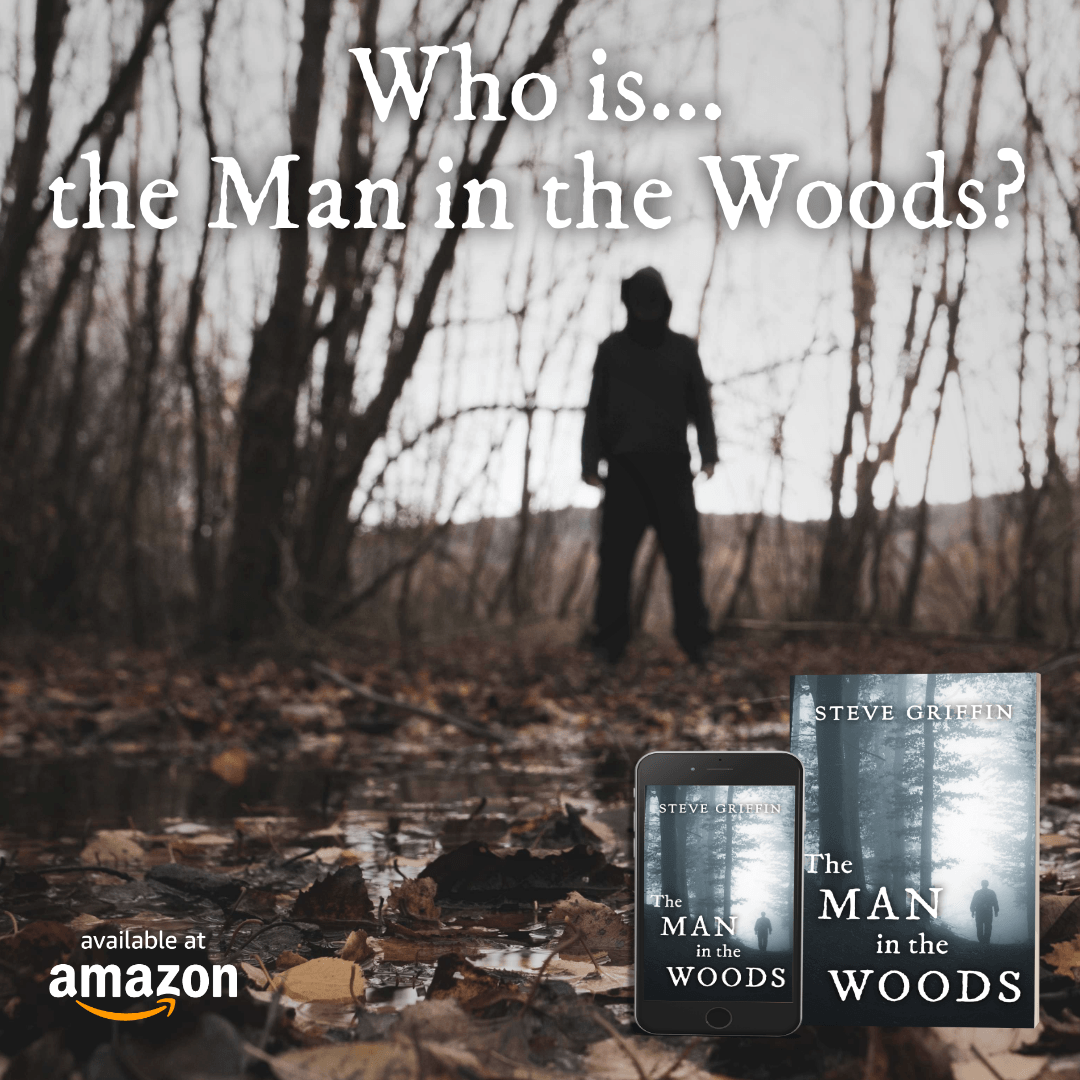
    Who is the Man in the Woods - the perfect book for Halloween

    What’s next?

    I’m working on the next Ghosts of Alice story – I have a story arc that will mean two or three more books in the series. I have a second standalone Christmas ghost story nearing completion of first draft – but I won’t be bringing that out until next Christmas. I also have an idea for a sequel to The Man in the Woods, but it’s not fully fleshed out. And then a germ of an idea for another series of supernatural thrillers. Watch this space!

    So that’s the story of my ten years of publishing. Every bit of it has been exciting – with the exception of some hardcore editing and marketing (although signing up to Irish book marketer David Gaughran‘s mail list has removed some of the latter’s pain)! There’s never a day when I don’t appreciate that people I’ve never met, from all over the world, are buying, reading and (mostly!) enjoying my books. And it’s not just the sales. As a writer, I’ve got to know some fantastic readers and writers on social media, and I’ve done talks in schools and libraries, signings in bookshops, and read and talked at festivals. Meeting readers is always a real privilege.

    So thank you to all of you who have made – and continue to make – my dream a reality. Thank you, really.

    The Ultimate Ending

    I’ve been thinking recently, how often does the ending of a film, book or TV series exceed your expectations? How many times have you been blown away – either devastated or thrilled – in those closing moments?

    Sixth Sense - the ultimate ending

    (Alert – there are plenty of spoilers in this post, so proceed with caution…)

    For me, there tend to be two, linked things that lift a story above and beyond the norm. Sadly, one of them is the death of the main character. As a young boy, I was forever imprinted by watching The Alamo with John Wayne, filled with feelings of horror, loss, admiration, and above all disbelief as Davy Crockett pitched himself into the magazine store with a torch in one last act of defiance. I felt similarly about Butch Cassidy and the Sundance Kid, Saving Private Ryan (such a horrifyingly impersonal but cinematically astute way to pick off a character we’ve come to cherish), The Green Mile, Million Dollar Baby, The Boy in the Striped Pyjamas. The ending of Night of the Living Dead is horrific, on both an intimate and a broader, social level. (Incidentally, that film was released a month before the US MPAA film rating system came into place, so was first watched by stunned kids and teenagers in a Saturday matinee in Pittsburgh). Everyone remembers the final episode of the First World War series of Blackadder, in which the sharp-as-a-tack Captain Blackadder is sent over the trenches with his hapless brothers-in-arms to certain death.

    Wicker Man - ultimate ending

    I think the ultimate story ending can also be linked to death, but doesn’t need to be. It’s more to do with a surprise twist that transforms or reframes all that’s gone before. The Wicker Man is one of these – what, no, it can’t all have been… and what’s going on now… surely he’s going to get out of there… Other films with great twists include The Others, The Usual Suspects, Get Out. But I think the best of all, and thus without doubt my favourite film, is The Sixth Sense. How many stories require you to retrace the whole course of an already gripping narrative right from the start?

    I was thinking about all this because I’ve strived for those big twists that turn the whole story around in some of my own books. Particularly The Boy in the Burgundy Hood, The Girl in the Ivory Dress, Black Beacon and, probably most dramatically, The Man in the Woods. Because I love it. And want to do more of it. And most of all, because I want to make sure it works for you, the reader!

    Tell me a book, film or TV show that’s made you sit up in your seat or burst out into tears. Endings that were devastating or breathtakingly thrilling, that took you somewhere above and beyond all the rest. I’m looking out for my next watch, and my next read.

    The Best Ghost Mystery Stories

    So you don’t want to sleep tonight, do you?

    My final list of books that I’ve prepared for Shepherd.com is the best ghost mystery stories.

    best ghost mystery books

    Why I love horror stories

    We try and pretend the world is not mysterious, in the vague hope of exerting some control over our lives. But that’s a doomed endeavour. Everything will always slip away from our grasp, plummeting into a chasm that we can only fill with two human responses: awe or terror. Sometimes – perhaps most often – both.

    This is why I’ve always preferred the gothic and sublime to the classical and ordered. Both are necessary, but the gothic like the church spire always points to the infinite, to the profound mystery that envelops us. That’s why I’ve liked horror movies and books ever since I was a kid. You’re forever clutching at a cushion, guessing – or rather fearing – what lies ahead, just around that corner…

    And that’s why I started writing ghost stories, books that major in suspense and make you realise, as Stephen King’s narrator says in Bag of Bones, that “reality is thin, you know, thin as lake ice after a thaw, and we fill our lives with noise and light and motion to hide that thinness from ourselves.”

    My favourite ghost mystery stories

    So if you’re hankering after a shot of terror (often with a smidgeon of awe thrown in), check out my best ghost mystery stories here. And if you think I’ve missed a treat, let me know your favourite ghost story in the comments below. (You can also check out my other book lists for Shepherd, the best books with portals for children and young adults, and the best books with nature poems to make you think and feel.)

    And while you’re here, why not take a look at my own ghost mystery stories, The Boy in the Burgundy Hood and The Girl in the Ivory Dress – the two standalone novels in The Ghosts of Alice series, about a young women who has a very strange connection to the dead:

    The best books with nature poems

    Is spring filling you with inspiration and making you want to discover some of the best books with nature poems? Then this post is for you!

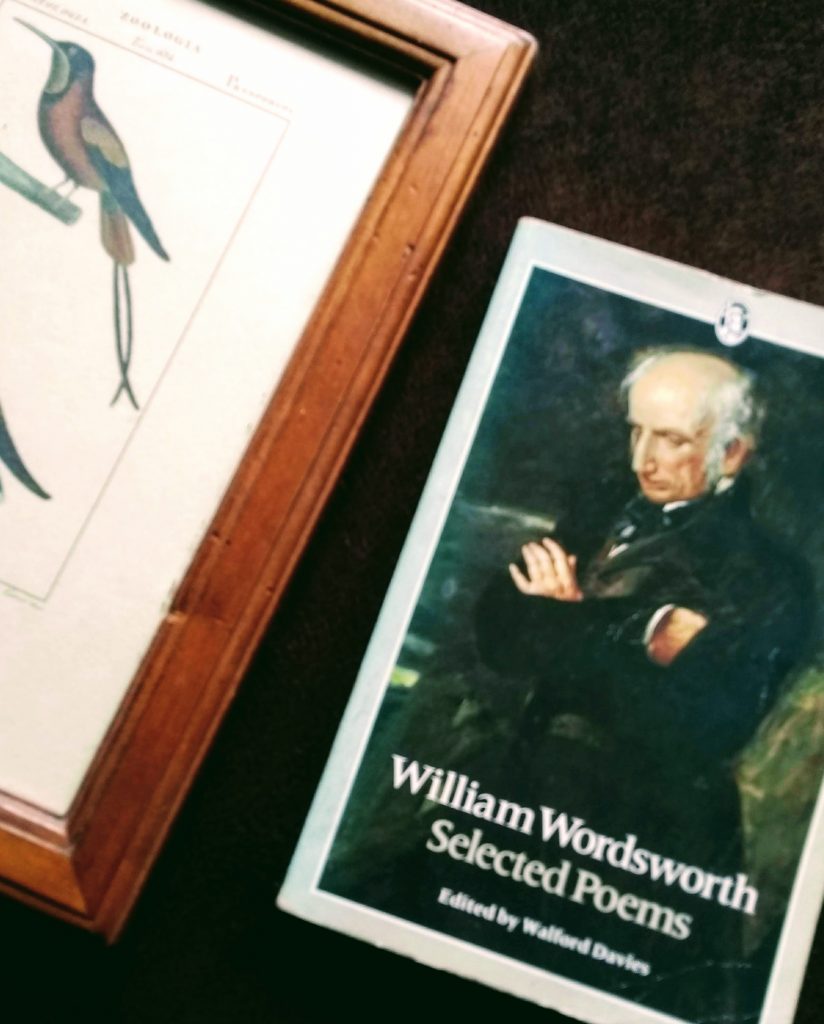
    I began writing poetry in my twenties when I was doing environmental studies at Stirling University. At the weekends I often went hillwalking in the Scottish Highlands with friends. Inspired by the majestic scenery, I picked up a copy of Wordsworth and began reading poetry for the first time since my English degree. Soon after, I began to write my own poems.

    nature poems mountains

    When I got a job in South Wales I started sending poems to magazines such as Orbis and The New Welsh Review. Coming downstairs one Saturday morning to find a letter accepting three poems in the latter – along with a payment of £60! – was one of the best moments of my life. It gave a massive boost to my confidence as a writer.

    A few weeks ago, I was approached by new book recommendation website Shepherd to share my favourite books on subjects I write about. I created my five favourites for ghost mysteries, books with portals for children and young adults – and for poetry books with nature poems that make you think and feel. I write all kinds of poetry, but I particularly love poems about the nature and landscapes of Britain.

    So why not check out my list here, which includes books by awesome poets including Ted Hughes, Alice Oswald, Sherry Ross and Barbara Lennox.

    And you can always check out my own collections if you love nature poetry:

    The best books with portals for children and young adults

    Best books with portals for children and young adults

    I was asked by the people at new book recommendation site Shepherd to share my favourite books on things I’m passionate and write about. As many of you will know, The Secret of the Tirthas is about Lizzie Jones, a teenager who inherits a magical ‘garden of rooms’ deep in the Herefordshire countryside and then discovers each of the rooms has a portal to a special place on the planet.

    I always thought it would be great if you could step outside your back door and travel instantaneously to somewhere on the other side of the planet. And, of course, portals are a neat analogy for the power of the imagination.

    So my first selection of books for Shepherd is my five favourite books with portals for children and young adults. They include books by Neil Gaiman and Philip Pullman and you can check them out here.

    Do you like portals in books? If so, which are your favourites?

    Check out The Secret of the Tirthas here.

    My Year in Writing

    So where am I at with the writing, you ask? (You didn’t? Click away now, no one will notice.)

    2021 Review

    2021 has been a big year for my writing. It was the first year I had a bestseller and the first year I sold over 2,000 copies of one book (nearing 2,500 now). The average book sells 250 copies according to my Gurus, Prophets and Market Analysts (Google), so I’m very happy.

    The Boy in the Burgundy Hood #1 Bestseller

    So what was the book? It was the first in my Ghosts of Alice series, The Boy in the Burgundy Hood. It’s been a strong seller since November 2019 when I published it. But it really took off in February 2021 after a promotion on Bookbub, which led to the #1 spot in Amazon’s Ghost Story categories in the UK, US, Canada and Australia. (If you’re a keen ebook reader and like good deals, I recommend signing up for Bookbub.) The reviews that followed were good so the sales continued. When you’ve been writing for a few years, getting that level of reader response is a real joy!

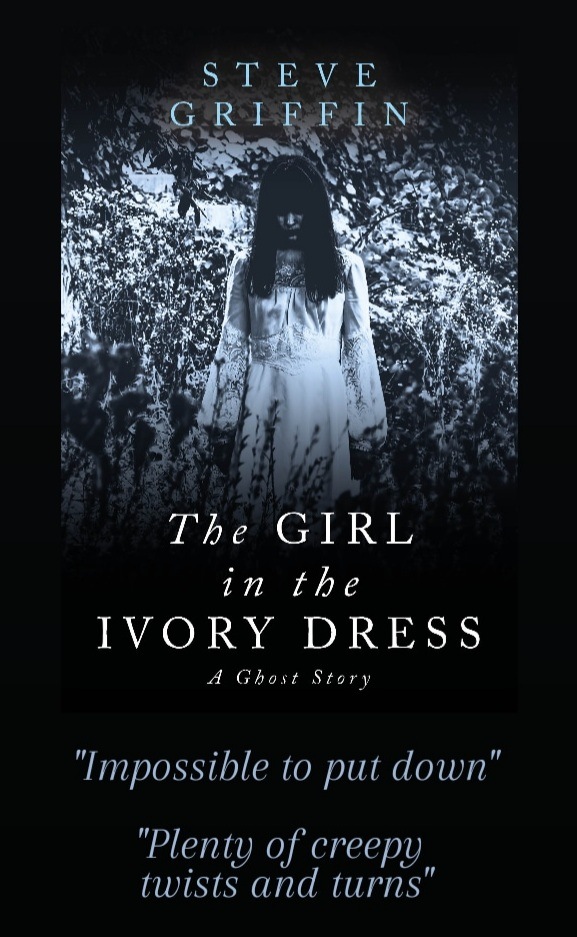
    My next writing achievement in 2021 was publishing the second book in the Ghosts of Alice series, The Girl in the Ivory Dress. It follows on from the first, developing the relationship between Alice and one of her old school friends. The reviews have been almost all good so far (there’s always one…), with some saying they like it even more than the first. It reminded me of how enjoyable it was to write the second book in my young adult series, The Secret of the Tirthas. Whilst the first, The City of Life, was mostly fun, learning how to plot and integrate storylines, as well as setting up a whole new fantasy scenario, was challenging. There were many rewrites. It felt so much easier when the groundwork was done, when everything was already established. The Book of Life flew from the keyboard.

    The Girl in the Ivory Dress - a year in writing

    My third writing milestone just missed the end of the year. I finished a draft of the latest Ghosts of Alice book on the 3rd January. It’s working title is Alice and the Devil. It has a distinctive atmosphere and setting and I’m pleased with it. However, it’s going to need a few stiff edits because I wrote it without a plot, with only a few key scenes and characters in my head. It was my first time writing like this but it seems to have turned out well. I’ll probably find a lot of holes when I reread it, but for now I’m just pleased to have completed it.

    2022 Writing Goals

    My main writing goal for 2022 is to publish this third Ghosts of Alice book. I’m aiming for it to be out in the spring.

    I’m also finalising a novella prequel to The Secret of the Tirthas. It focuses on the discovery of the tirthas and the creation of the magical garden of rooms at the turn of the 19th century. It’s called Swift: The Story of a Witch (I’m fairly sure that one’s going to stick). It might become a freebie to my email subscribers.

    And finally, I’m going to start and – hopefully – complete another book! I’ve got a few ideas bubbling away already…

    Whatever you’re reading, enjoy!

    For National Poetry Day 2021 – a poem & 2 books

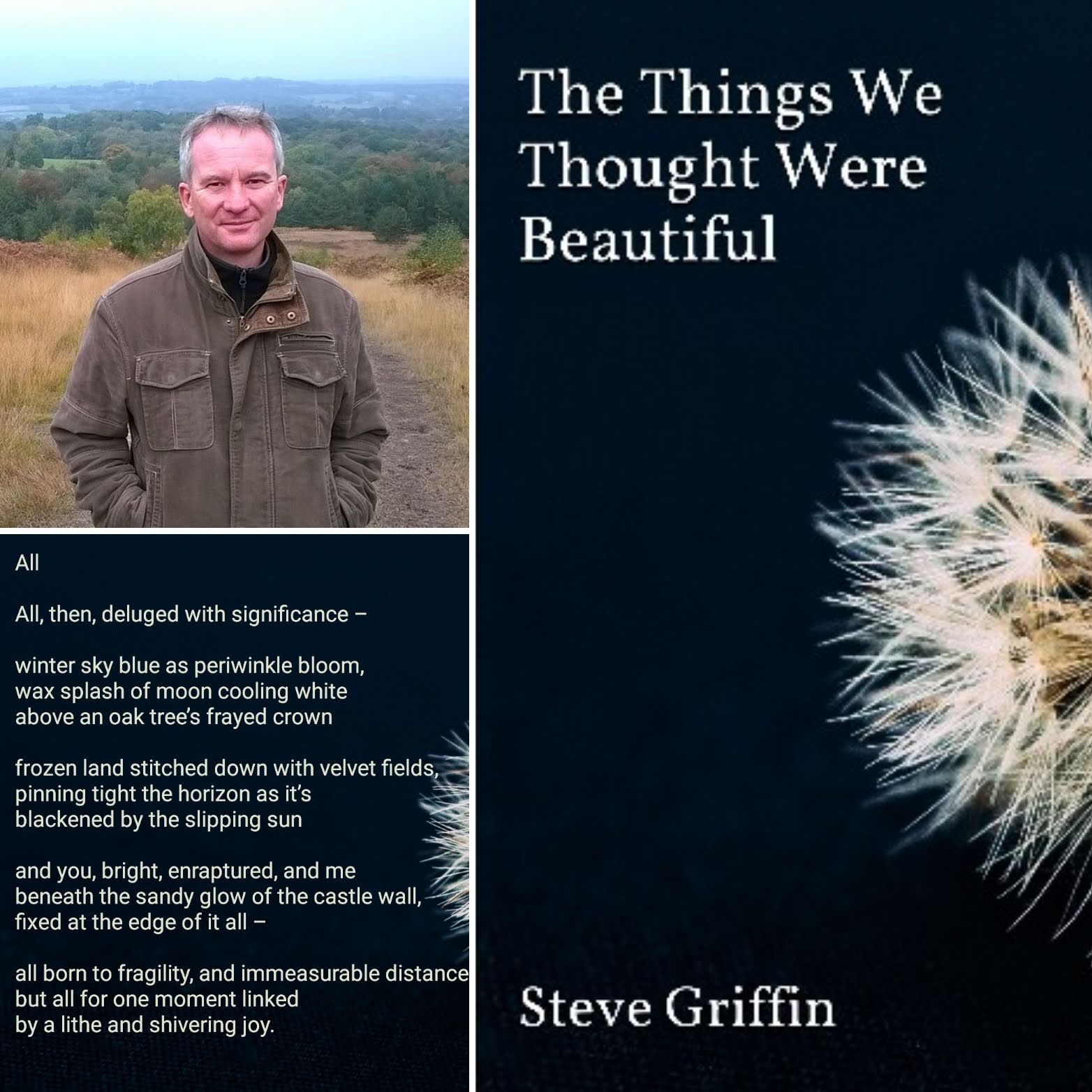
    It’s National Poetry Day here in the UK so here’s All, the opening poem in my collection The Things We Thought Were Beautiful, and a couple of poetry book recommendations.


    And here’s the two fantastic independently published poetry books that I want to flag up, which both mean a great deal to me. With excerpts from my 5⭐ reviews of each, they are:

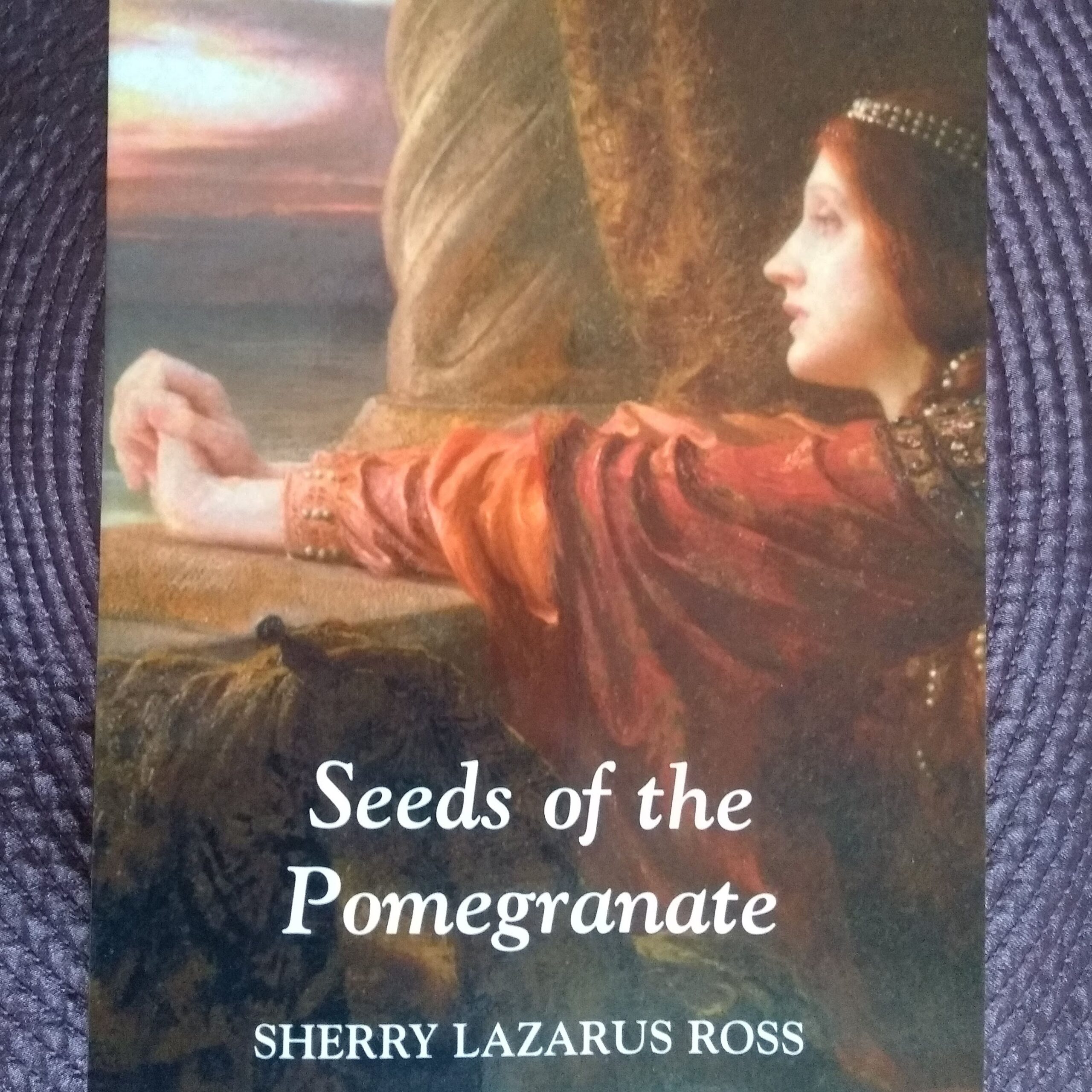
    US poet Sherry Lazarus Ross’s Seeds of the Pomegranate:

    “I loved ‘Touch Me’, in which the poet asks ‘How many times can the earth / withstand this ritual. The pain of being frozen / then thawed out.’ But as ever throughout this collection of dark and light, spring is the wake-up call coming ‘soft as the turn of earthworms.’ Just one more of the many stunning images in this wonderful book, already a favourite on my shelf.”


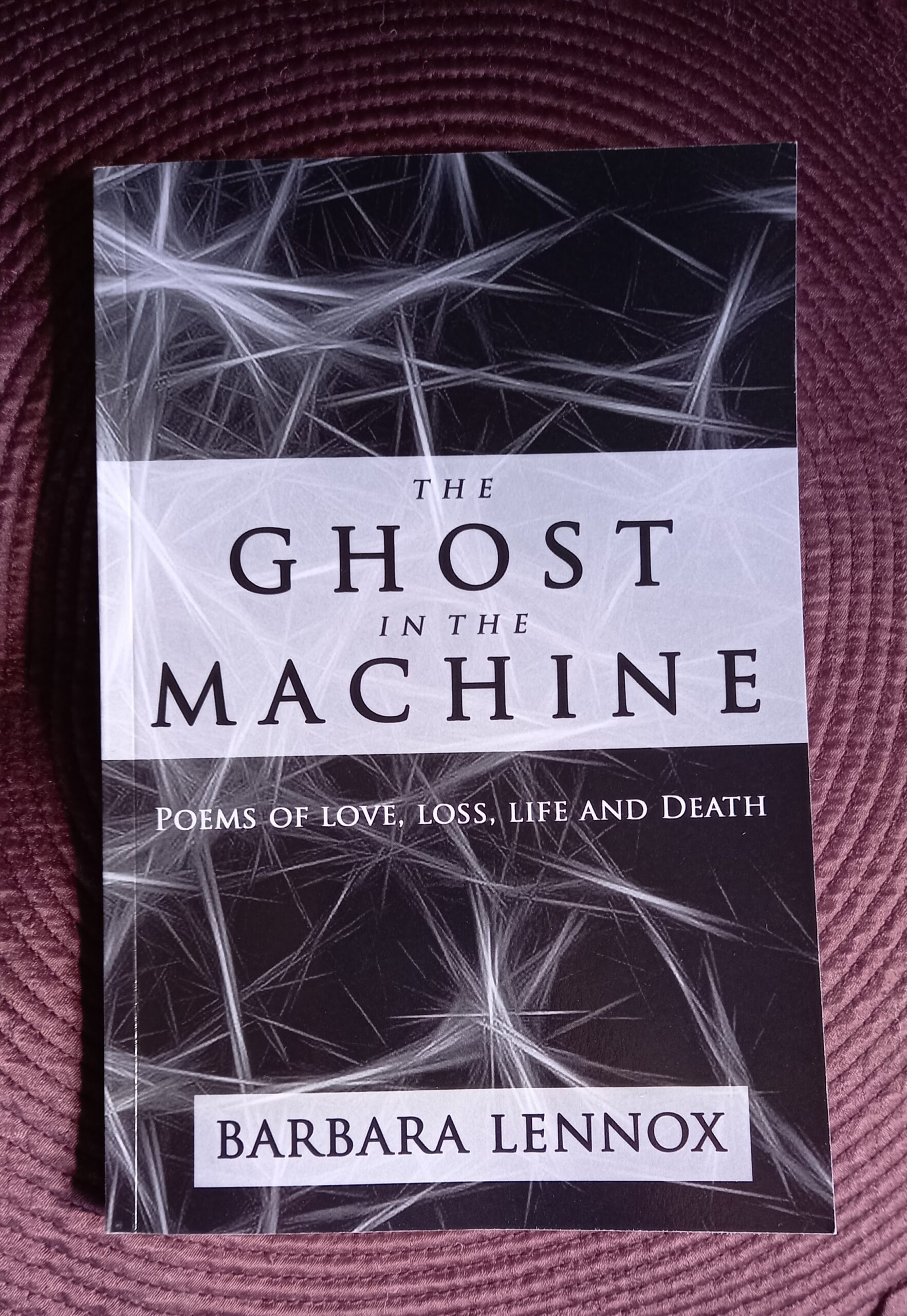
    Scottish poet Barbara Lennox’s The Ghost in the Machine:

    “It deals with themes of the natural world, myths, science and the human condition. There is a sense of living at a mid-point, a delicate balance of ‘trying to return, but never quite arriving.’ The poet has a beautiful turn of phrase, using alliterative language that reminds me of Seamus Heaney: ‘From every slope there rings/ a rush and purl of streams/ pocked by peat-dark tarns’.”

    The best poetry has an almost magical power to transform our relationship with ourselves and the natural world. Please check out these collections by clicking the links below, where you can also read my full reviews. And just… read as many poems as you can today!

    Let me know in the comments your favourite poems…

    Five Favourite: Poems

    This is the last of my Five Favourites series, based on the categories of books I’ve published myself. It’s a reflective time of year, so I’m finishing with my five favourite poems.

    I think in general your emotional response to a poem is strongly attached to where and when you first read it. But not always. For me, there are some poems that get richer over time, and continue to provide a visceral, often transcendent, feeling. My favourite poems are always changing, but the five below have stayed with me throughout my life.

    1. Snow

    Louis MacNeice was a Northern Irish poet who wrote some wonderful poems, including Prayer before Birth and The Sunlight on the Garden. My favourite is Snow, a poem that points to the incongruousness and mystery of the world:

    The room was suddenly rich and the great bay-window was
    Spawning snow and pink roses against it
    Soundlessly collateral and incompatible:
    World is suddener than we fancy it.

    2. The Sun Rising

    My pitch-perfect memory for poetry is not good, but there’s a power in the opening lines of this poem that has always stuck with me. I love John Donne, his interplay between sacredness and lust, spirituality and corporality, and the way he finds a way through the opposites to breathless transcendence.

    This poem, with its movement from chiding the sun for rousing him from his lover’s bed to the moment when he realises it’s fulfilling its duty by warming them, is the perfect epiphany.

    Busy old fool, unruly sun,
                   Why dost thou thus,
    Through windows, and through curtains call on us?
    Must to thy motions lovers’ seasons run?
                   Saucy pedantic wretch, go chide
                   Late school boys and sour prentices,
             Go tell court huntsmen that the king will ride,
             Call country ants to harvest offices,
    Love, all alike, no season knows nor clime,
    Nor hours, days, months, which are the rags of time.

                   Thy beams, so reverend and strong
                   Why shouldst thou think?

    I could eclipse and cloud them with a wink,
    But that I would not lose her sight so long;
                   If her eyes have not blinded thine,
                   Look, and tomorrow late, tell me,
             Whether both th’ Indias of spice and mine
             Be where thou leftst them, or lie here with me.
    Ask for those kings whom thou saw’st yesterday,
    And thou shalt hear, All here in one bed lay.

                   She’s all states, and all princes, I,
                   Nothing else is.
    Princes do but play us; compared to this,
    All honor’s mimic, all wealth alchemy.
                   Thou, sun, art half as happy as we,
                   In that the world’s contracted thus.
             Thine age asks ease, and since thy duties be
             To warm the world, that’s done in warming us.
    Shine here to us, and thou art everywhere;
    This bed thy center is, these walls, thy sphere.

    3. Mountains

    Alice Oswald continues and reinvigorates the traditions of William Wordsworth and Ted Hughes. Nature is the main focus of her poetry, suffused with the numinous. In poems like Dunt: A Poem for a Dried-Up River, nature (here, a nymph trying to give birth to the poor stream) seems to represent the arduous challenge of the creative process itself.

    I’ve chosen the poem Mountains from her first collection, The Thing in the Gap-Stone Stile. Like all the best poems (writing?) there is a push towards resonance, idealism, the unfathomable; the things which open up the mind and feelings as opposed to shrink and contain them. I like to think there’s an allusion to Plato’s cave at the end, the bigger reality behind daily experience:

    …you can feel by instinct in the distance
    the bigger mountains hidden by the mountains,
    like intentions among suggestions.

    4. Lines Composed a Few Miles above Tintern Abbey

    Five Favourite poems: Wordsworth

    I owe my love, and writing, of poetry to Wordsworth more than any other poet. I have written about why I like him – and especially Lines Composed a Few Miles above Tintern Abbey – so much here. The line about what the eye and ear “half create, and what perceive” is, I think, one of the best ideas ever contained in a poem. We connect deeply with nature, glimpse something bigger than us there; but what that is remains always beyond our reach. Our story is in the yearning.

    5. Tales from Ovid

    Ted Hughes and Sylvia Plath seem to me to be among the last generation of poets to have gained iconic status. It’s hard to choose between them in terms of greatness. In the end I’ve opted for Tales from Ovid by Ted Hughes, as it was the first book-length poem that I devoured with the excitement of a thriller. Hughes’ rendering of these classical Greek stories is a revelation. He brings to life the rawness of the stories (the hunters killed so many animals the ‘slopes were patched red with the butchering places‘) and the warping of souls caused by deep and precarious passions.

    Many other poems by Hughes are brilliant, including Birthday Letters (about his time with Plath) and his most famous poem, The Thought-Fox. But Tales from Ovid is the one I push my friends to read.

    Finally, a few of those that got away…

    So, I’ve mentioned Sylvia Plath. I discovered her poetry one winter in Kenilworth and loved the icy desolation / vivid madness of Tulips, the dark power of Daddy, and the wonder and playfulness of You’re.

    Another poet I admire is John Burnside, whose Myth of the Twin (‘bending to a clutch of twigs and straw to breathe a little life into the fire‘) is deep, complex, bleak. It’s out of print unfortunately, but you can still find a second-hand copy.

    One of the first poems I had published was in a magazine called Tandem, which placed famous poets alongside new. One edition included a poem by Seamus Heaney, Postcript, which includes the astonishing image of the ‘earthed lightning of a flock of swans’. The poem alludes to the impossibility of holding on to things:

    Useless to think you’ll park and capture it / More thoroughly. You are neither here nor there, / A hurry through which known and strange things pass

    Finally, I have to mention Dylan Thomas’ Do not go gentle into that good night, a poem about how no matter how you live your life you will always feel a lack. And somehow the poem seems to suggest that the lack, or yearning, is somehow in itself what makes life worth living. The failure, the drive to be more, to comprehend. From a young age, I’ve always felt that the most important thing for me is to understand what being alive means. This poem captures the keeness – and frustration – of that desire to know.

    These are a few of the poems that have inspired me down the years. There are many, many more. If you’d like to see what they’ve led me to write, check out my own poetry: