Category Archives: Reviews and Recommendations

Five Favourite: books for young adults

My Five Favourite series is focused around the three categories in which I now have books published. The last post was my Five Favourite Creepy Stories, and the next and final one will be Poems. That means this time it’s my Five Favorite books aimed at the audience of my own series, The Secret of the Tirthas. These are mainly pre- and early teens, but with crossover appeal to older readers. They’re books that I think can be enjoyed by the whole family – or at least all of them over nine-years-old!

1. Harry Potter and the Goblet of Fire

OK, so there’s no surprises with the start. Harry Potter is hardwired into our lives now for a very good reason – it’s brilliant. I’ve chosen Goblet of Fire as my favourite although it’s marginal over the first and all the later ones.

Why do I like this one in particular? I like the fact it’s where it starts to get properly dark, with the fate of Cedric and the proper return of Voldemort. I like the first battle between Harry and Voldemort. (I also like the fact the Quidditch World Cup in the film is set on the Sussex Downs, near where I was born.)

Whilst including Harry Potter is a no-brainer, I will admit something here. When I first tried to read the Philosopher’s Stone I was turned off by one phrase on the first page and put it down… for years. It was only thanks to my wife, a big fan, that I picked it up again, pushed past that section – and then devoured the whole lot in a few weeks one summer.

2. Northern Lights
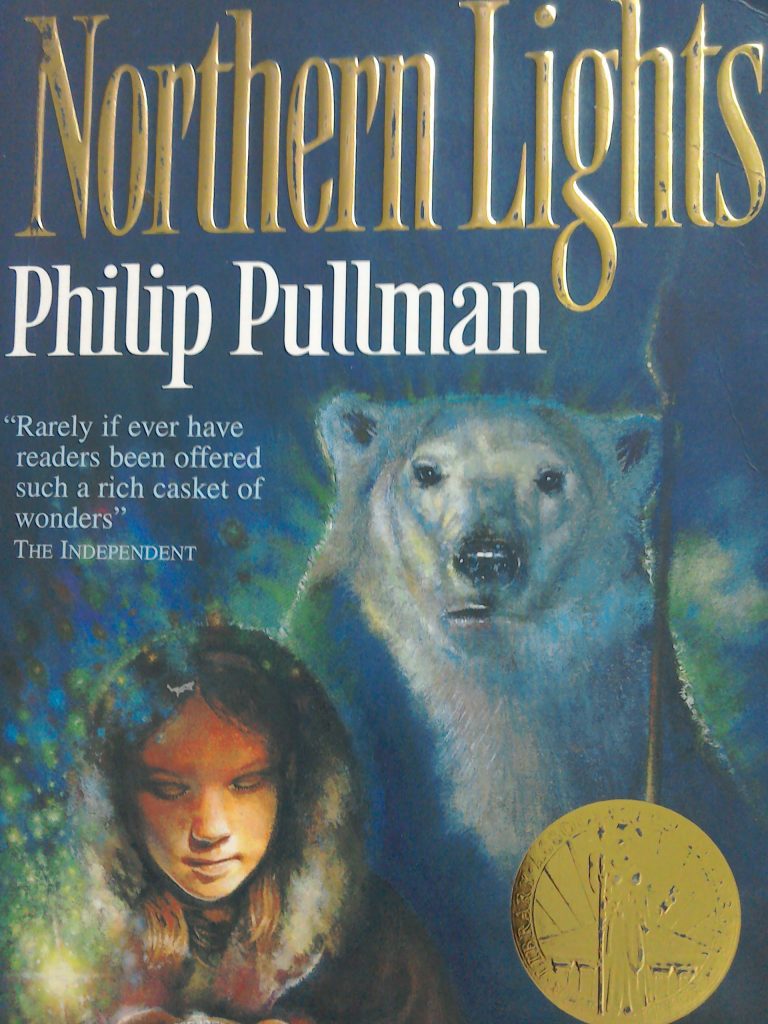
Five Favourite YA books: Northern Lights

So I’m getting the obvious out of the way first. Philip Pullman has been a major inspiration in my writing. I like Northern Lights best out of all the books in His Dark Materials and The Book of Dust. I love the settings, the cold north and Oxford spires, the armoured bears, the nuanced appearance of Mrs Coulter – and of course the sharp mind and character of Lyra.

3. Chicken Dance
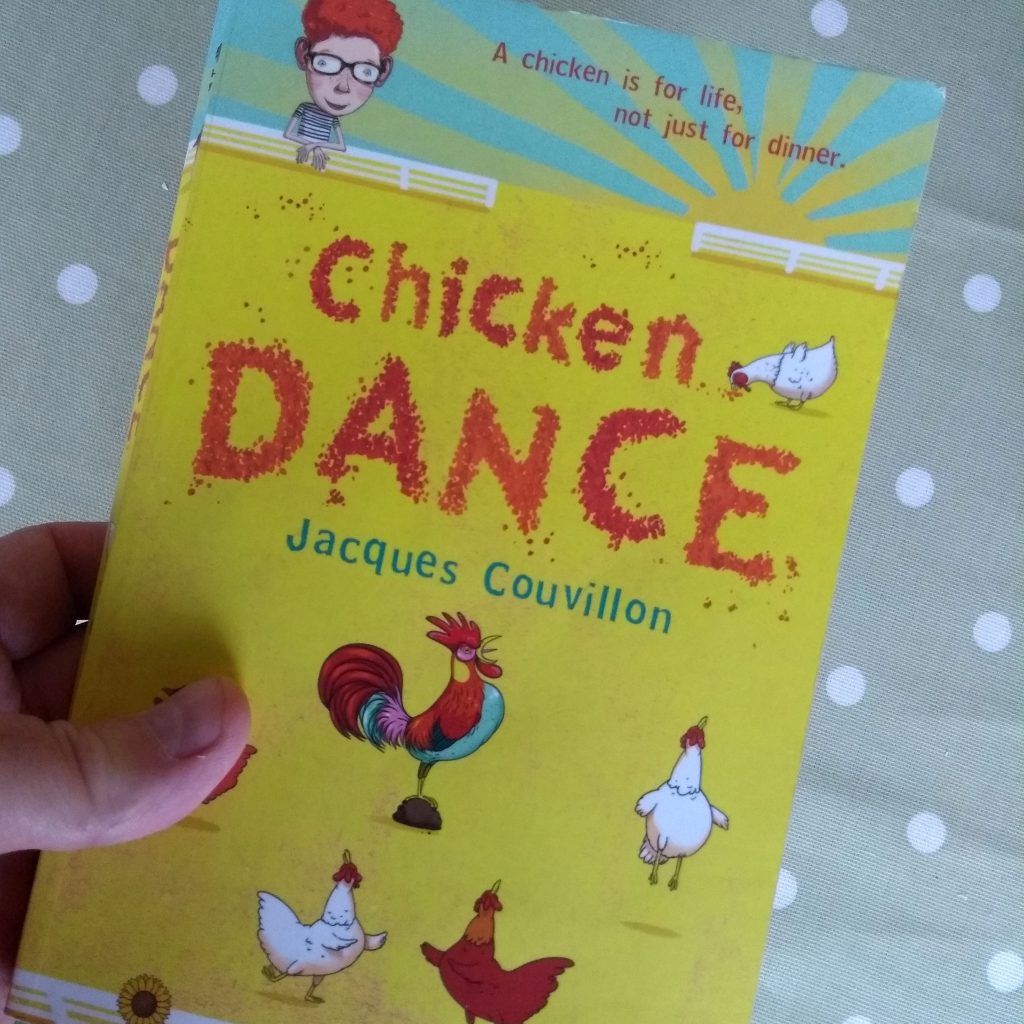
Five Favourite YA books: Chicken Dance

Now for something completely different. I read this book on my own years ago, and then read it again recently to my two boys. They loved it too.

Chicken Dance is the story of a boy who lives on a chicken farm and gains fame in his hometown by entering them into competitions. Don Schmidt has his own special take on the world, quirky, cautious and observant. Despite poor treatment by his family, he remains the true grown-up – even when events take a strange turn, and he begins to investigate the mystery of his sister who supposedly died when he was born…

Check out my Goodreads review here.

4. Cigars of the Pharaoh
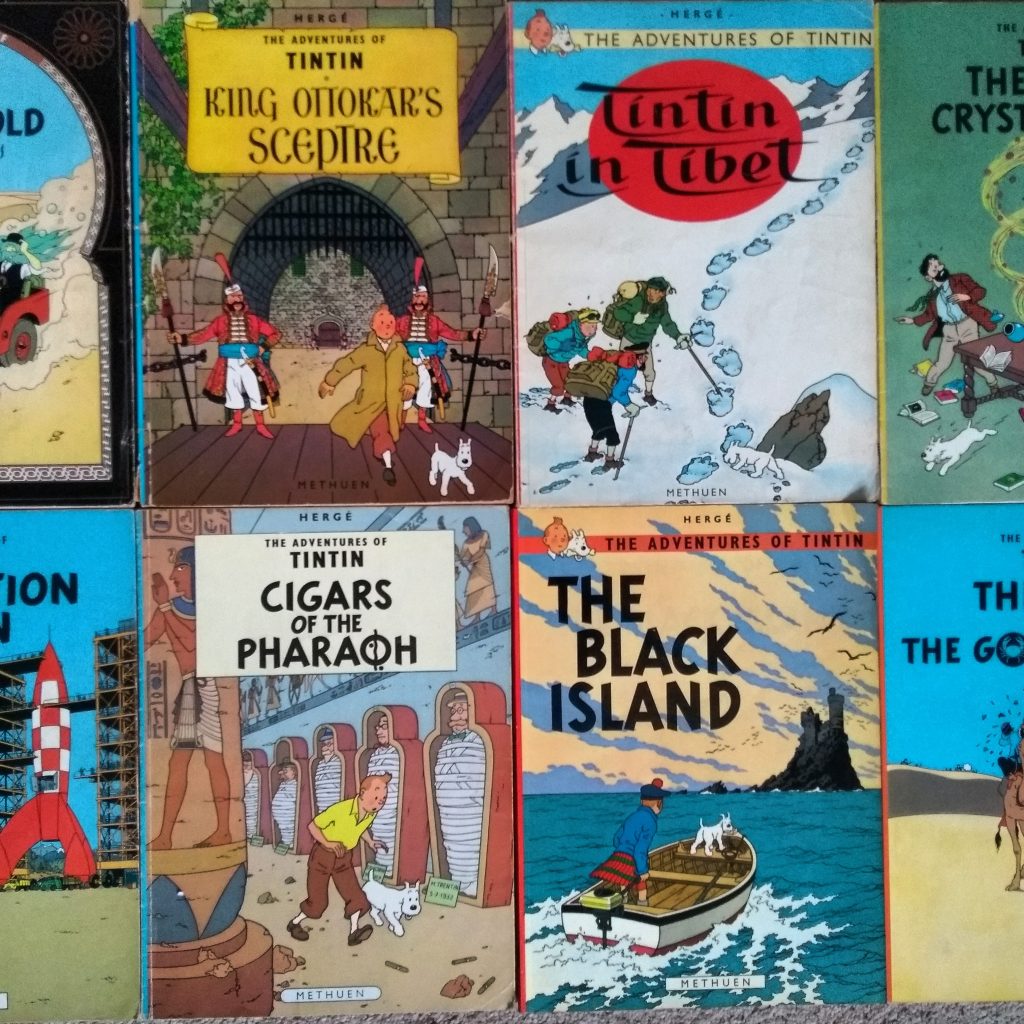
Five Favourite YA books: Tintin

I remember my excitement at seeing a Tintin book, King Ottakar’s Sceptre, in a shop in Eastbourne when I was nine. I was staying on a long summer holiday with my grandma. I asked her if I could buy it with my book token but she was hesitant as it was a comic (or graphic novel, as we’d say now…) She eventually agreed and so began my passion for Tintin.

It was hard to select my favourite. It came down to a fight between this one, Cigars of the Pharaoh, and the superb Tintin in Tibet. I chose Cigars of the Pharoah because it was a breakneck adventure and it made me laugh – a lot, especially the eccentric archaeologist, Dr Sophocles Sarcophogus. You can read about how Tintin inspired The Secret of the Tirthas here.

5. The Girl Savage

I love Katherine Rundell and find it hard to select my favourite from excellent books such as Rooftoppers, The Explorer and The Wolf Wilder. But ultimately I think The Girl Savage pips it, particularly for the sheer exuberance of the opening section where tomboy Will runs through the South African countryside, living a wild and free existence. She is loved by her father, and adores every bit of her life. But it’s all about to be shattered by the arrival of a terrible stepmother. Like all of Rundell’s books, The Girl Savage drips with poetry whilst retaining a strong sense of plot and direction.

And now for the ones that got away…

Moominvalley in November. Not really young adult, but I didn’t feel I could leave the Moomins out. I read them when I was eight, but think they appeal up to ages twelve or older. They have a beautiful combination of friendship, strangeness and adventure – surrounded by a wondrous delight in northern landscape and nature.

The Three Investigators – The Mystery of the Screaming Clock. I loved loved loved this series as a kid. They’re now out of print but you can still get them second-hand online – and I keep finding them rummaging around in old book stores. Good news, as my boys love them too!

Skellig – David Almond has a masterful touch for fantasy that subtly encroaches the edges of reality – and of the ability of kids to accept and engage with it. This story of a boy finding a damaged angel in his garage is truly magical.

Earthsea – a wonderful fantasy series from the late Ursula le Guin. The moment in the first book when the young mage Ged accidentally summons a shadow creature is every bit as dramatic as the ‘You shall not pass’ Gandalf-on-the-bridge moment in The Lord of the Rings.
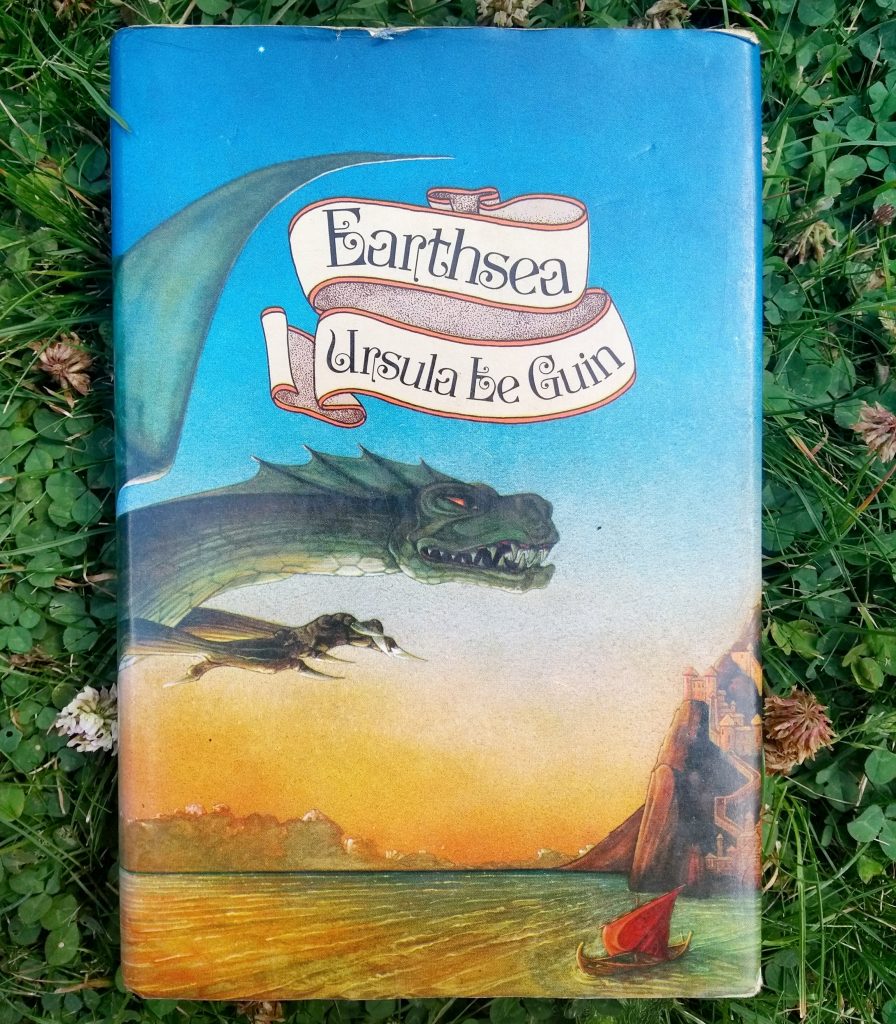
Five Favourite YA books: Earthsea

A Library of Lemons – a fantastic book about the relationship between a boy and his father, struggling to cope with the loss of their mother / wife.

And finally, I couldn’t finish without superlative praise for The Hobbit and The Lord of the Rings. I read them all in my early teens but think of them as adult fantasy, which is the only reason they’re not in this top five.
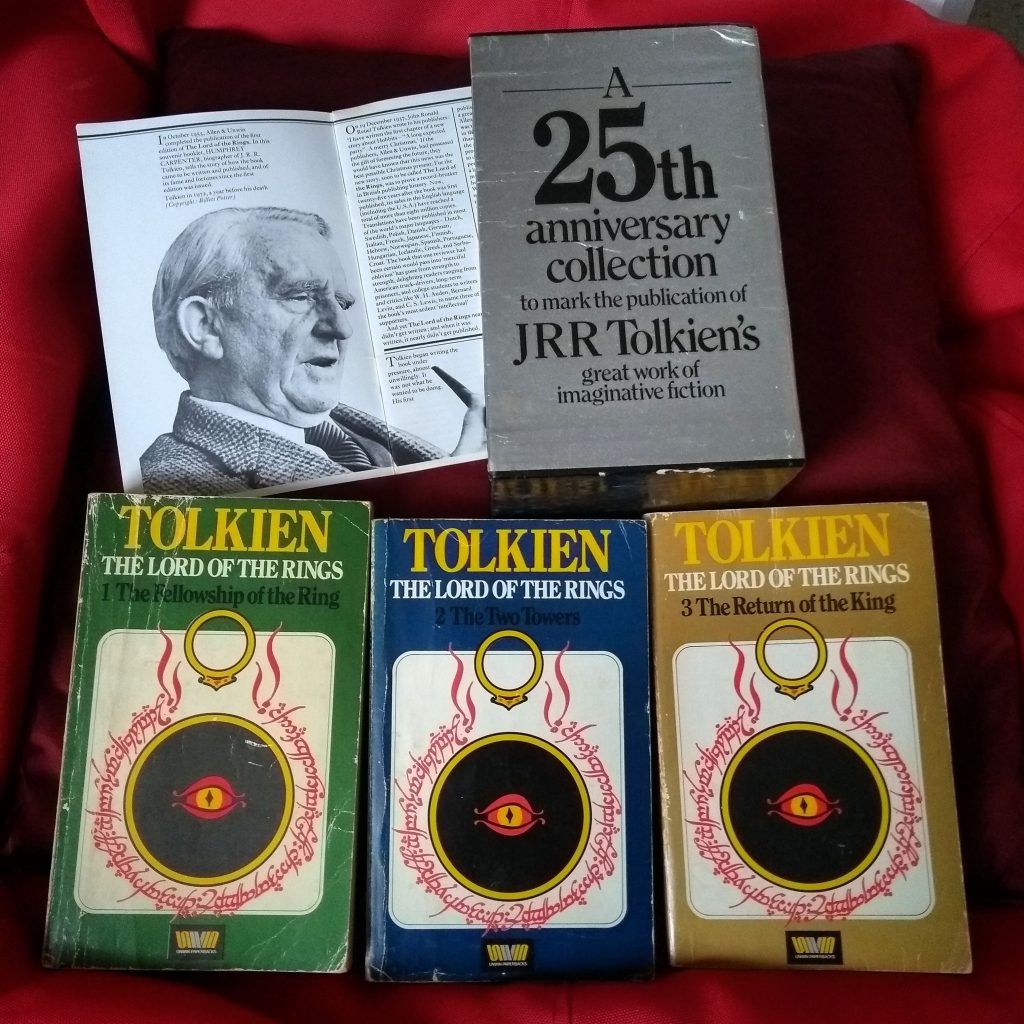
Five Favourite books: The Lord of the Rings


If you’re inspired to read more young adult novels, why not check out my own adventure mystery series, beginning with The City of Light. What would you do if you inherited a garden with a portal to India – and found a killer was using it?
Five Favourite: Creepy Stories

It’s getting to the time when I normally post about my favourite books of the year. But this year, given that I’ve now got books out in three different categories – young adult, horror and poetry – I thought I would post about my five favourite of each… ever! My most recent book is The Boy in the Burgundy Hood, a ghost story, so I’m going to start with my five favourite creepy stories (NB- Amazon links are affiliate):

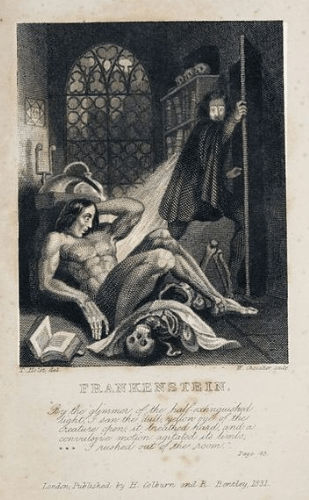
1. Frankenstein

Five Favourite Creepy Stories: #1 Frankenstein, Mary Shelley

First off, Frankenstein. One of my favourite books of all time, regardless of genre. Frankenstein is brilliant and can be read on many different levels. It can be seen as a political allegory for the French Revolution or the abolition of slavery; a lament for Shelley’s own lost child; a cautionary tale on bad parenting; or a warning on the dangers of overreaching yourself with technology. Read this excellent article to see how.

I knew the book as a favourite of my grandma’s, but only read it when I was doing an English degree at university. We studied Frankenstein not in Literature but in our English Language module, because the newly-created ‘monster’ gives a Saussurian view of the world without language to break it down and ‘contain’ it. There’s a brilliant description of the monster staggering through the woods bewildered, his senses overcome by the sounds and sensations all around him. Eventually he sits down and manages to focus on just one thing – a slice of moon in the nighttime sky.

Whilst it’s true the novel works on many levels, it’s also worth stating that the one it works best on is as a gripping horror story. The horror comes from Dr Frankenstein’s neglect as well as from the monster’s crimes. This is a brilliant, claustrophobic suspense story, ranging from the civilised refinement of Geneva to the bleak icy wilds of Antarctica.

Mary Shelley is my standout novelist. Just remember, she wrote this, one of the greatest works of English literature, when she was eighteen years old. And she had to publish it anonymously, for fear of how it would be received were it known the author was a woman. Check it out on Amazon.

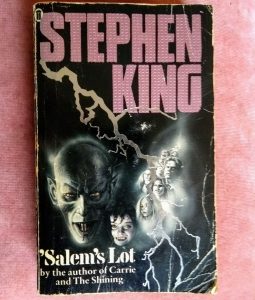
2. Salem’s Lot

Five Favourite Creepy Stories: #2 Salem's Lot, Stephen King

Where to start with Stephen King? Whilst I don’t list myself among the true hardcore of fans who have read all of his novels, each time I do read one I marvel again at his skill and invention. Whilst he’s a horror writer, I think of him alongside another great modern US writer from the North-Eastern states, John Irving. Like Irving, he takes time to lay out the table, recording his characters and (mostly) small town settings in detail that’s loving but never laboured. Then, again like Irving, he strikes us with seismic, often catastrophic events that, due to the groundwork, you will have known are coming – although you will not have known how, when and where from.

I could choose many of King’s novels – The Stand, Bag of Bones, The Girl who loved Tom Gordon, Green Mile – but I’ve decided to go with Salem’s Lot, which truly scared the heebie-jeebies out of me as a teenager. That floating vampire kid scratching at the window? Give me a break. Or the iconic moment when the priest’s faith fails him and the crucifix loses its power to keep the vampire at bay? I’d seen a hundred horror films but that never happened. I was totally blown away, my world view changed in one fell swoop. Awesome.

Check it out on Amazon.

3. The Wine-Dark Sea

Want to be properly disturbed by your horror? Read Robert Aickman. I only came across him a few years ago when I saw this collection in a bookshop in Covent Garden. I wrote a short review of it here. Aickman is unlike any other horror writer I know. This quote sums up his approach:

“Nothing is more lethal to the effect that a ghost story should make than for the author to provide an alternative materialist solution. This reduces a poem to a puzzle and confines the reader’s spirit instead of enlarging it.”

His dark tales work like sinister magic, probing away at the depths of your subconscious. I’ve never had such strange dreams as those whilst reading this book (appropriately one of the scariest tales, Into the Wood, is all about insomnia). In most the stories the creep is left open-ended, in a deliberate attempt to stretch your mind, to keep you away from certainties, to open your eyes to the weirdness and mystery at the heart of living. Suggestive, dark, brilliant – but not for everyone…

View on Amazon.

4. The Cormorant

Five Favourite Creepy Stories: #4 The Cormorant, Stephen Gregory

A couple relocate from the city to an isolated seaside cottage in Wales, an inheritance from an eccentric uncle. But there’s one catch – they must look after his ‘pet’ cormorant. It seems a simple enough ask – but soon things start to go horribly wrong.

I read Stephen Gregory’s story a long time ago when I was working in the Welsh valleys. I’ve always loved the strange, ominous atmosphere it creates and I’m planning to read it again soon.

Check it out here.

5. The Little Stranger

A classic ghost story, with a twist (sound familiar?). Without wanting to give anything away, I’m not quite sure whether this counts as a ghost story – although it certainly has a very real supernatural element.

It starts off more like a piece of unsettling period literature – but then, with an incident of a dog and a little girl at a party, transforms into something altogether more visceral and terrifying. The novel deals skillfully with the feelings of injustice that class division arouse – coupled with the burning frustrations of love. I think the ending is one of the most satisfying I’ve read.

View The Little Stranger on Amazon.

And finally… the ones that got away.

It was hard to make this list, and I was often left wondering why on earth I’d just settled on five. Was it purely because ‘Five Favourites’ sounded good? Probably. But I also wanted to give a bit more time to each book than I normally do.

So here’s a few more I’d have liked to include, because I love them too:

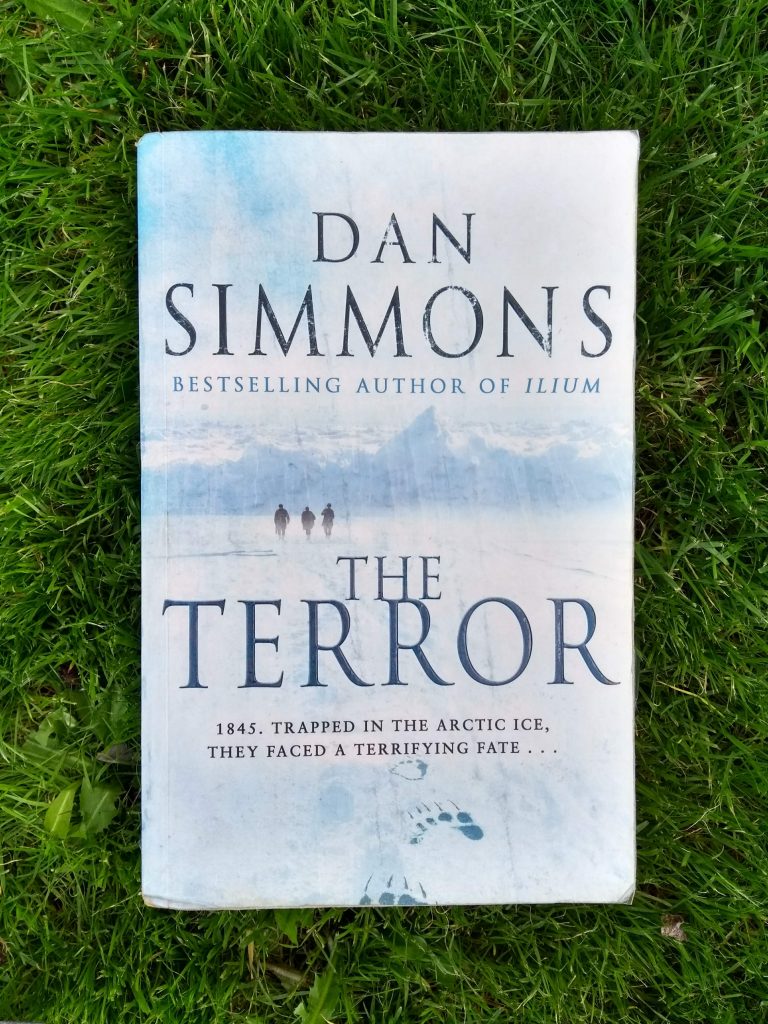
The Terror Dan Simmons

The Terror, by Dan Simmons. Recently made into a superlative TV series, there’s a supernatural beast in this but the real horror comes from two Victorian ships trapped in the Arctic ice without sunlight for six months of the year. For three years. Yes, three years.

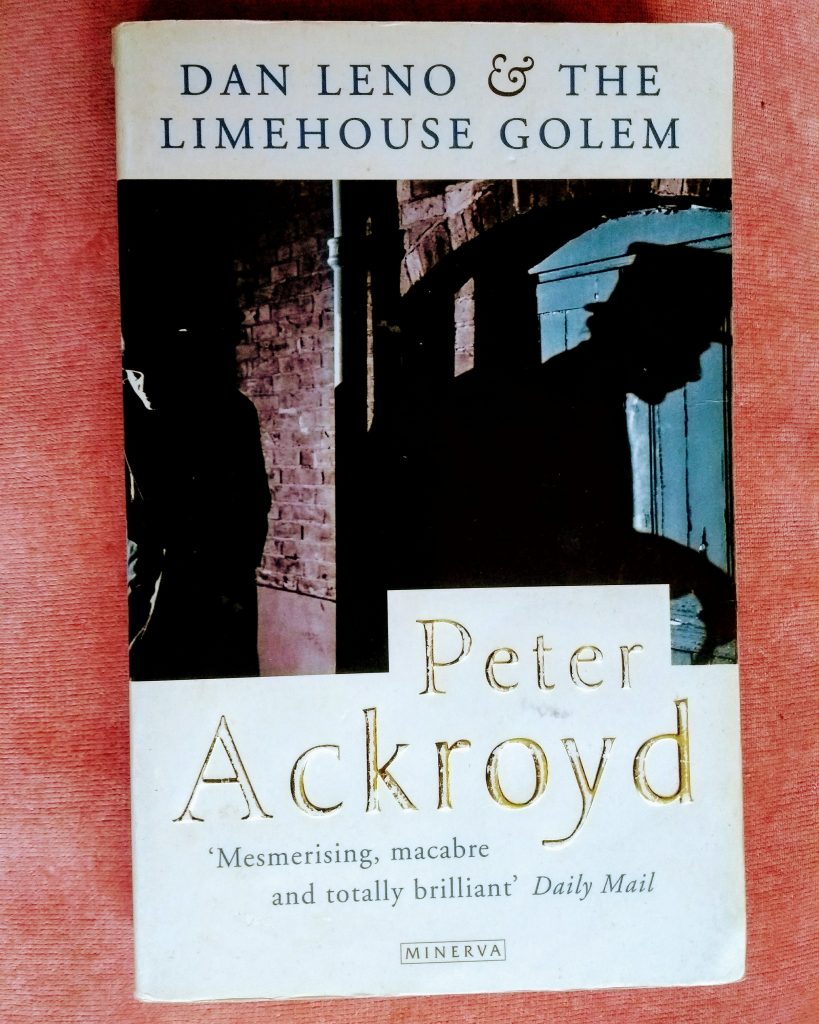
Dan Leno and the Limehouse Golem

Dan Leno and the Limehouse Golem, by Peter Ackroyd. One of my favourite authors, Peter Ackroyd brings the saturated history of London to life like no other. This is my favourite book of his, a horror mystery that has a mythical monster slashing Victorian Londoners to pieces (Pisaca, anyone?). Who is the dreaded Limehouse Golem?

The Accursed, by Joyce Carol Oates. A sprawling, multi-perspective vampire novel set in Princeton university in the early twentieth century. Real life characters including Woodrow Wilson and Jack London add to the zest.

Jaws, by Peter Benchley. The monster of the deep did more to damage the reputation of sharks than a thousand fishermen, but this novel is nevertheless superb. I burned through it when I was eleven, in probably the same amount of hours.

The Magician, by W Somerset Maugham. Whether there are any real supernatural elements is left up to the reader to decide, but this tale of an overbearing, repulsive occultist who steals a beautiful woman from her fiancee is as gripping as any poison love story. The character of John Thrush in The Lady in the Moon Moth Mask was partly inspired by this story.

If my five favourite creepy stories have whetted your appetite for the macabre, why not check out my own ghost story, The Boy in the Burgundy Hood – out now on Amazon:

The Boy in the Burgundy Hood

Up in the Air poetry book – my first ever Youtube review!

I’m hugely grateful to New Zealand book blogger Pauline Reid for this review of my poetry book Up in the Air – my first ever Youtube review!

In it, Pauline talks about the sections in the book and shows her own Instagram photo of the book. She does a lovely reading of my poem ‘A Bird on the Moorland’. She also flags up the local interest for some of her subscribers, as one of the poems features the Albatross Statue in Wellington, her home town.

Have a watch and leave a comment if you like it!

Olga Tokarczuk: Go read

Two years ago a Polish friend at work went to a publishing event and brought me back a gift. It was a beautiful book called Flights by a Polish author named Olga Tokarczuk. (It really was a beautiful book, cobalt blue that appeared freshly inked, with fine white lettering, published by Fitzcarraldo Press.) The book was a real gem, a connected series of stories and meditations on travel, the body, and hope. The next year, my friend lent me a second book, House of Day, House of Night, which I also read and loved. Next thing, Olga Tokarczuk won the International Man Booker Prize for Flights.

This year I bought Drive your Plow over the Bones of the Dead which, in my view, is the best of her books I’ve read so far. (The wonderful title is from William Blake). The narrator, Janina Duszejko, gives us a whole new way of seeing the world, peppered with Medieval-style capitalised nouns, her own made-up names for people, a love of Blake, astrological ‘insight’, and a deep feeling for animals. The story centres around a series of gruesome murders on the remote Polish plateau where she lives, with only a few eccentric friends for company since she lost her beloved dogs. It’s far from a conventional detective story and focuses more on the narrator’s longing for a creative, numinous world free from suffering:

“Blake would say that there are some places in the Universe where the Fall has not occurred, the world has not turned upside down and Eden still exists. Here Mankind is not governed by the rules of reason, stupid and strict, but by the heart and intuition. The people do not indulge in idle chatter, parading what they know, but create remarkable things by applying their imagination. The state ceases to impose the shackles of daily oppression, but helps people to realize their hopes and dreams. And Man is not just a cog in the system, not just playing a role, but a free Creature.”

So, all I want to say is this: go read Olga Tokarczuk. You won’t regret it.

My Top Ten Books for Children and Young Adults in 2018

So, I’ve already told you my best reads for adults in 2018 here. Now it’s time for my Top Ten books for Children and Young Adults that I’ve read this year.

La Belle Sauvage: top ten books for children and young adults 2018

A quick note. I have two boys aged 7 and 9 and this collection includes several I’ve read to them at bedtime. When we finish I discuss the story with them and ask them to rate it out of 5. I then give my own rating and we average it for Goodreads.

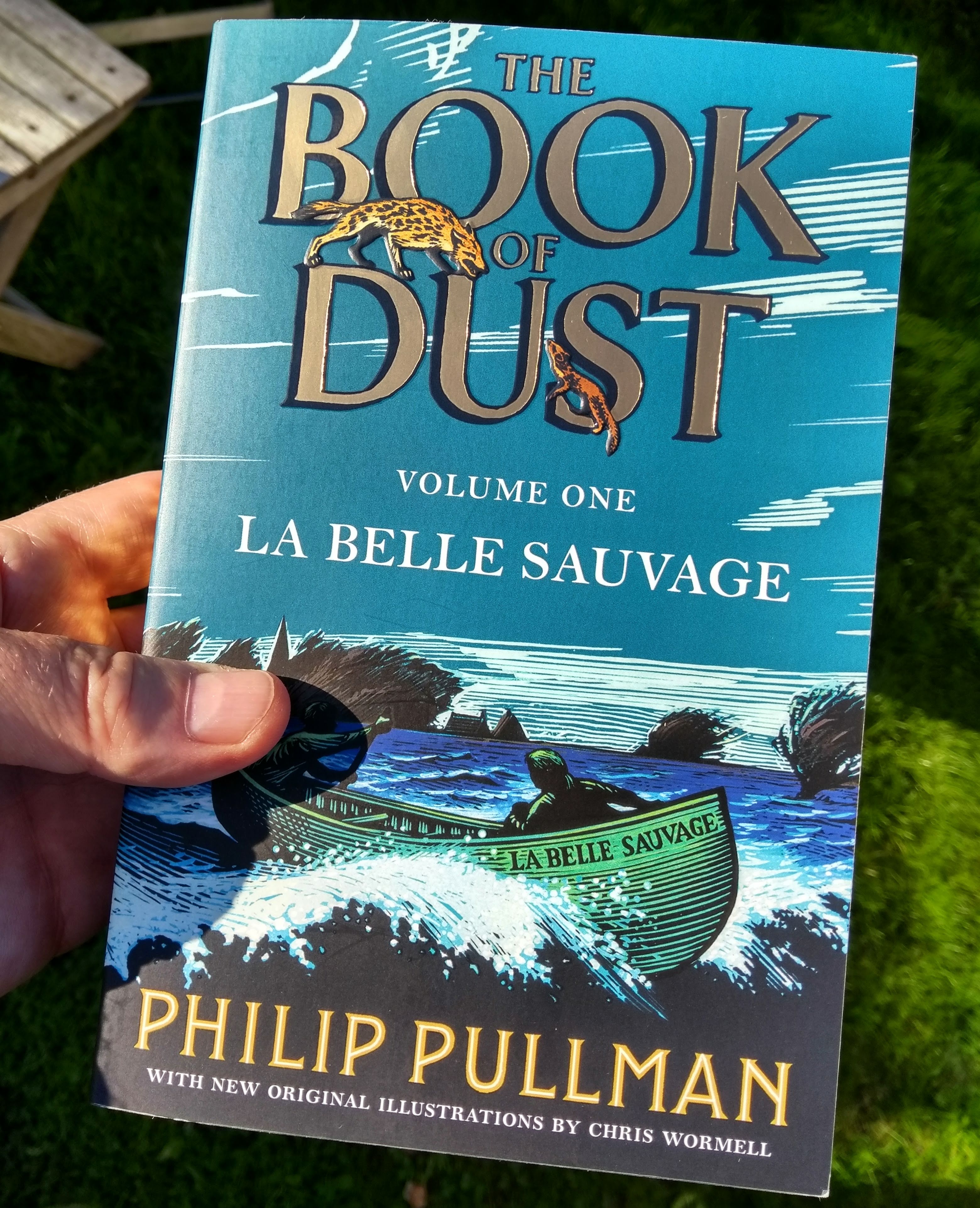
La Belle Sauvage (The Book of Dust #1), Philip Pullman

How great was it for those of us who followed Lyra Belacqua through His Dark Materials to hear Philip Pullman had written another book about her? But the twist is… it’s a prequel and this time she’s a baby being cared for by nuns! Lyra lives in a Priory opposite an Oxfordshire riverside pub run by our hero Malcolm’s parents.

La Belle Sauvage is an interesting read. The first half – nearly 300 pages – follows the steady life of Malcolm. He learns handicraft, serves at the pub, and gradually comes within a circle of revolutionaries who dare to criticize the Authority. In the context of today’s high-octane novels it’s quite an innovation, a return to old-fashioned slow-build storytelling with a low level of peril. I was surprised at how much I enjoyed it, and how quickly I read it. The second half – when Malcolm and a local girl have to save baby Lyra following a massive flood – is more action-packed and exciting. 4 stars

Tigerfish: top ten books for children and young adults 2018

Photo courtesy of Linda Lou Oliphant

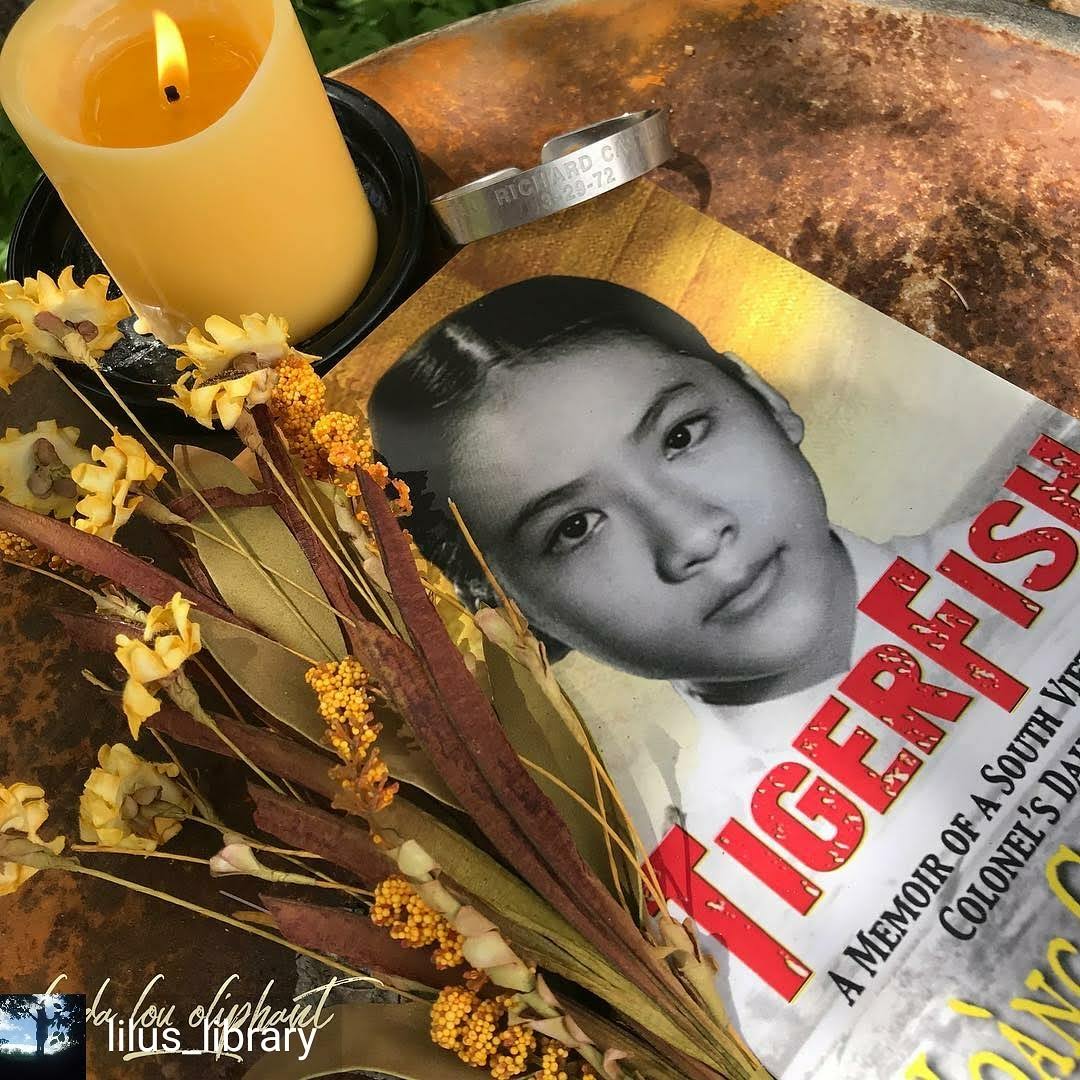
Tigerfish, Hoang Chi Truong

I was fascinated by Hoang Chi Truong’s memoir of her family’s escape from war-torn Vietnam, and how they sought refuge in the United States. A very powerful story, with a message more relevant than ever in today’s world. You can read my full review here. I will be interviewing the author soon – watch this space. 5 stars

The Mystery of the Silver Spider, Robert Arthur

I loved The Three Investigators adventure mystery series as a boy. They’re now out of print, so it was a huge pleasure to stumble across this title in a second hand bookshop. In this episode, Jupiter Jones, Pete Crenshaw and Bob Andrews find themselves working as spies on behalf of the CIA, trying to maintain the integrity of fictional Eastern European country, Varania. I read it to the boys at bedtime and they adored it. We’re now on to our second book in the series, The Mystery of the Stuttering Parrot. 5 stars

The Lion, The Witch and The Wardrobe, C.S. Lewis

Another one that I read to the boys at bedtime. As it had been with me as a child, it was very popular with them. The seven-year-old did however have a delayed-action burst of tears in the scene with Aslan on the Stone Table. It’s a fairly gruesome and sustained horror scene, as far as middle grade fiction goes – be warned when reading to younger listeners! 5 stars

Danny the Champion of the World, Roald Dahl

Another classic read to the boys, one of the few Roald Dahl books I have never read. We all enjoyed this saga of a boy and his poacher father. The ending is particularly poignant. 5 stars

Peacock Pie, Walter de la Mare

“Peacock Pie is surely one of the greatest children’s books of the century.” said The Times. I’ve had this secondhand book of Walter de la Mare’s poems for a while and had occasionally picked out a poem or two to read to the boys. But this year I read them a lot more and realised how brilliant this collection is. The majority of the poems are great fun, carried along by a crisp rhythm and rhyme. But many also have a subtle mystery. They appear as simple vignettes of people’s lives, but the more you read them, the more they resonate with darker, more adult themes. 5 stars

Captain Underpants and the Terrifying Return of Tippy Tinkletrousers, Dav Pilkey

My youngest son adores Captain Underpants. Pick any book and you will see why – this is rocket-fueled, imaginative storytelling for kids, full of ebullience, good will and humour! 4 stars

The Explorer: top ten books for children and young adults 2018

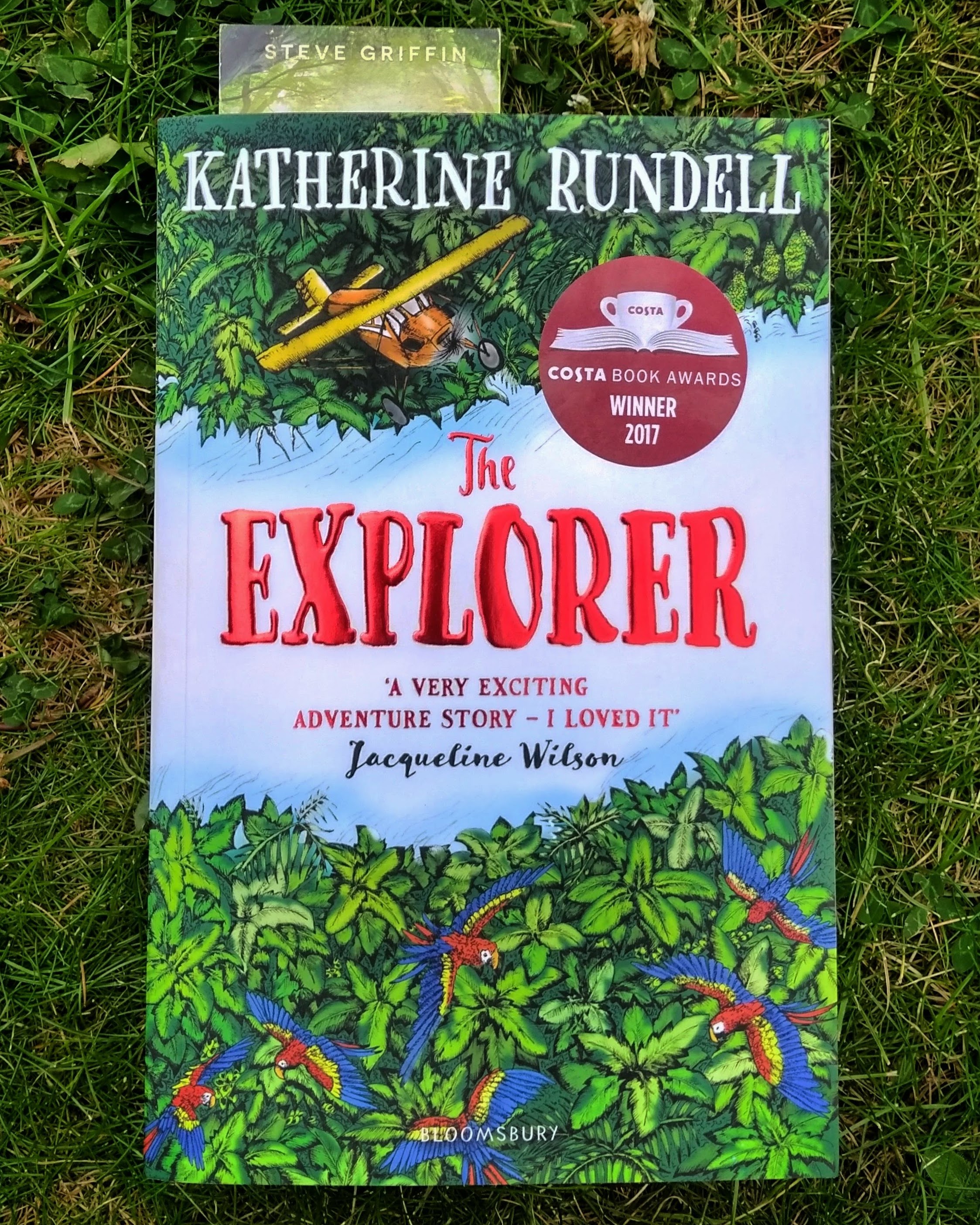
The Explorer, Katherine Rundell

Katherine Rundell is one of my favourite children’s writers. I’ve loved all her books I’ve read – Rooftoppers, The Girl Savage, and The Wolf Wilder. The Explorer is the story of a group of children trying to survive in the Amazon after a plane crash, who come across a long-lost explorer in a ruined city. Whilst I found this story more conventional than her others, it still includes her trademark blend of excitement, suspense, poetry and mystery – exactly what I strive for in my own writing. You can read my review of Katherine Rundell’s other books here. 4 stars

Hairy Maclary from Donaldson’s Dairy, Lynley Dodd

A re-read, because my children love this book so much. It’s a great story, with a colourful cast of dogs ranging from Hercules Morse (‘as big as a horse’) to Muffin McClay (‘a bundle of hay’) and the eponymous Hairy Maclary, from Donaldson’s Dairy. The gang go for a doggy strut downtown – only to be sent packing by Scarface Claw, the toughest tom in town. 5 stars

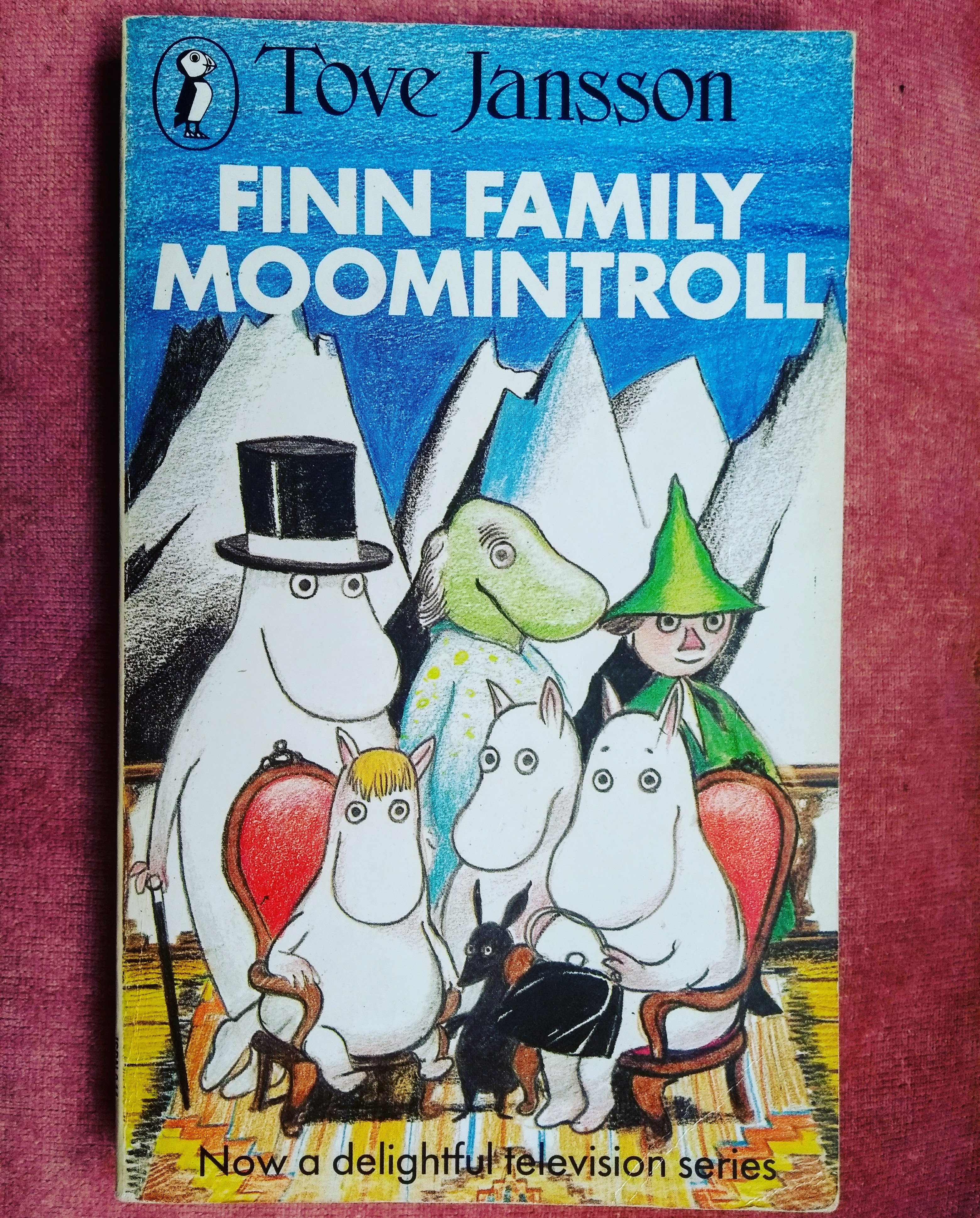
Finn Family Moomintroll

Finn Family Moomintroll, Tove Jansson

The Finnish writer Tove Jansson features in my A-Z of inspirational authors on Instagram, #stevegreads. The magical Moomins series was the first set of long books I remember reading as a child. This year, I read Finn Family Moomintroll to the boys. They weren’t quite as enamoured with this tale of the magical and tricksy Hobgoblin Hat as I was, but they still enjoyed it. It reminded me why I’d loved these books so much. The author’s gentle, wistful storylines; her delightful, eccentric characters; and above all, her deep empathy and reverence for nature. 5 stars

So that’s my top ten books for children and young adults in 2018. What did you read this year that inspired you?

If you’d like to find more books I’d recommend for children and young adults, check out my post for 2017 here.

My Top Ten Books of 2018: Grown-ups

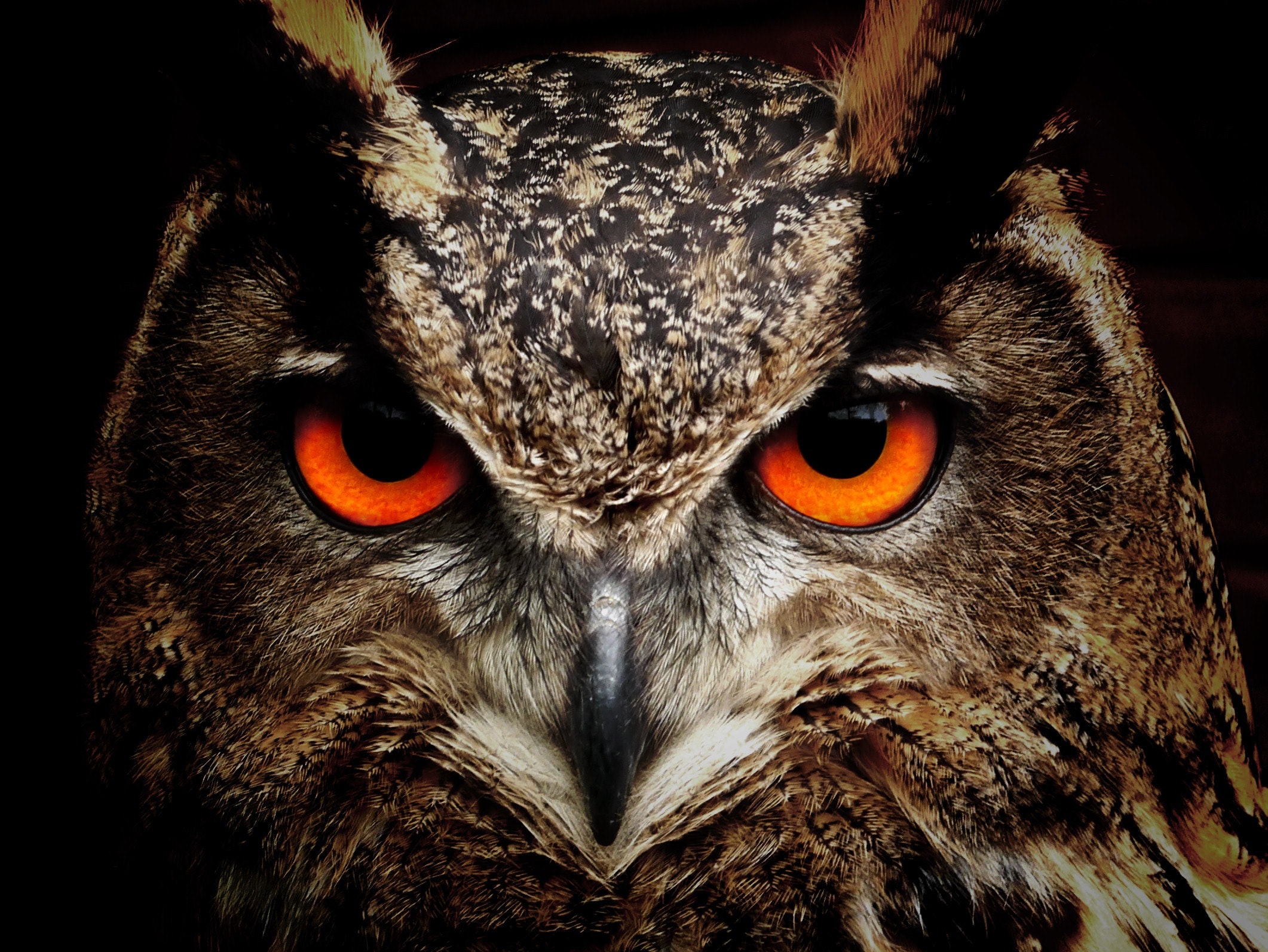
am an owl, am an owl... Top Ten Books 2018

It’s getting to that time again when we like to think back over what we’ve done in the past year. Or, in the case of us bibliophiles, what we’ve read. So, once again here’s my Top Ten Books for Grown-ups that I’ve read in 2018, each a perfect gift for the Yuletide season!

The Top Ten for Children and Young Adults will be along shortly…

Troubles, J.G. Farrell

Troubles is probably my favourite book that I’ve read this year. It’s about a traumatised British soldier (‘The Major’) who goes to Ireland to meet his apparent fiance, and ends up staying in her father’s hotel for… well, for a very long time. Like the fantastic Siege of Krishnapur, the real subject of Troubles is the decline of the British Empire. But J.G. Farrell’s supreme success is rendering this through exquisite detail and through his wonderful, vivid, and occasionally comic, characters.

The Amazing Adventures of Kavalier and Clay, Michael Chabon

Another historical novel, this is an absorbing tale of two men who create a Comic empire in war-time New York. One of them is a Jewish migrant, striving to be a real-life hero to save members of his family left behind in Nazi Germany.

Sapiens: A Brief History of Humankind, Yuval Noah Harari

An astonishing book, giving an overview of the major phases of our evolution. It’s often grim in its rendering of our collective fictions, but it’s also balanced with glimmers of hope, such as the relative peacefulness of recent times, improvements in medicine, and reductions in global poverty. Most unnerving is the ending, which touches on the huge pressures we face to undertake more bioengineering, and where that might lead. Nonfiction such as a Moment on the Earth and fiction such as Hyperion, by Dan Simmons, address some of these issues. But this book wakes you up to the prospect that, in the long view, our turbulent history might just be a staging post in the evolution of intelligent design.

Inside the Wave, Helen Dunmore

The final book of poetry by the talented and versatile Helen Dunmore. I read several of her dark and atmospheric novels when I was younger, including Zennor in Darkness and A Spell of Winter. She also wrote some mermaid-inspired Young Adult novels which I’ve yet to read. But she stands out as a poet. She wrote Inside the Wave when she was terminally ill, and the writing has a clear, transcendent beauty.

We Have Always Lived in the Castle, Shirley Jackson

A brilliant, creepy book that really gets inside the mind and disturbing habits of its teenage narrator – who is definitively unreliable.

The Accidental Tourist, Anne Tyler

It’s taken me a long time to read this classic title. I love A.M. Homes, and Anne Tyler writes in a similar vein. Both give us stories of Americans whose lives have been fractured by trauma but who retain – or recover – a sense of perspective and transcendence. And who still have a surprising decision or two in them.

The Stranger’s Child, Alan Hollinghurst

I struggled at first to buy into this segmented novel that revisits a wealthy British family throughout the last century. But as it went on I grew to love the way it built a textured picture of the ebb and flow of legacy – particularly that of one man, a war poet. I occasionally find myself slowing down as novels progress, getting a little less interested in the set up and characters. But in The Stranger’s Child, I found my appetite and interest increasing all the time.

Dark Entries, Rober Aickman

The second horror entry in my top ten. These morbid, unresolved tales by Robert Aickman are as usual masterfully told. A poet of the tomb, he plants a dark seed in your mind and let’s you grow it however you will. Check out my review of The Wine-Dark Sea here.

Solstice, Joyce Carol Oates

I’d been meaning to read some Joyce Carol Oates for a long time. I wasn’t disappointed with this, a dark and gripping tale of a claustrophobic friendship between a charismatic artist and a dowdy lecturer.

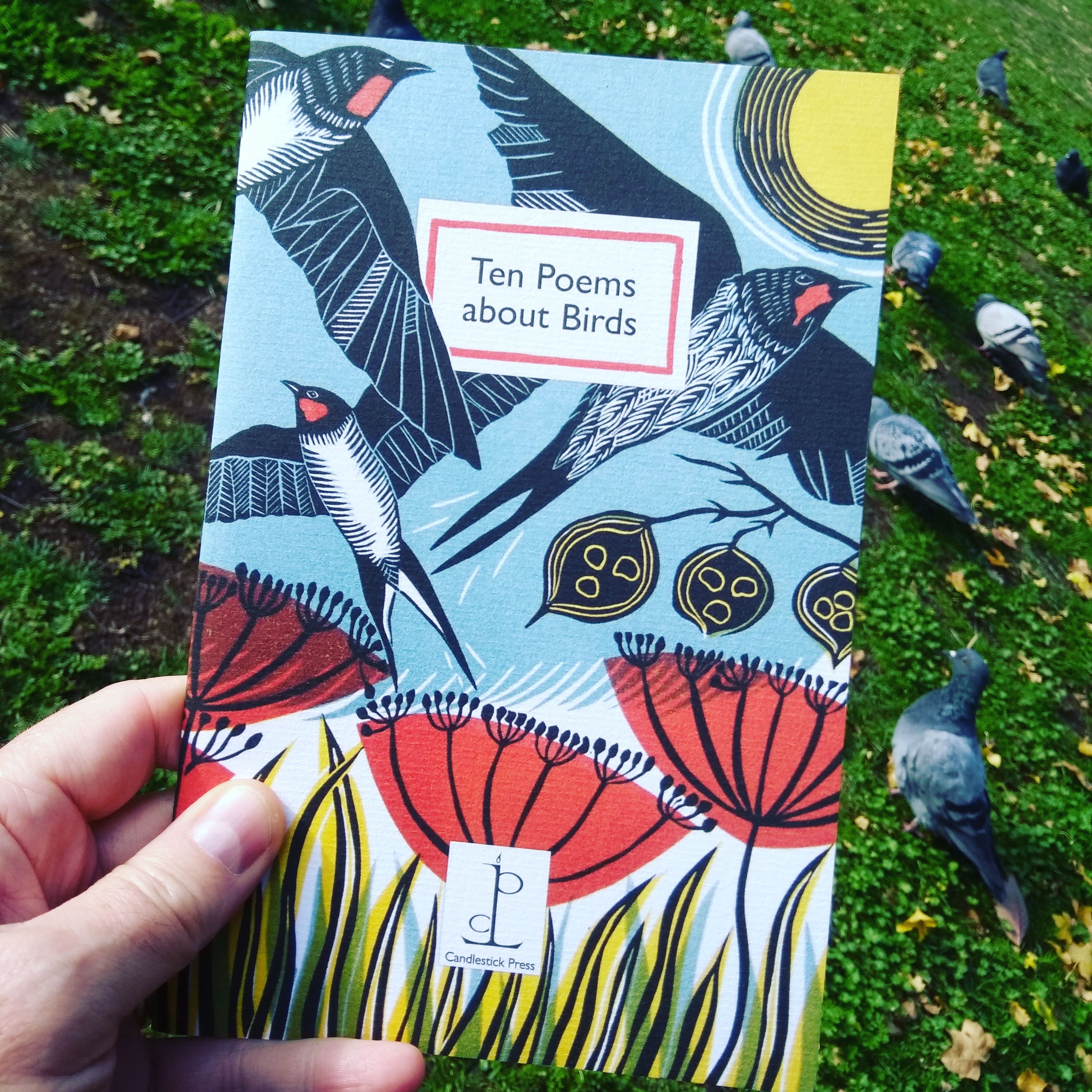
Ten Poems about Birds: Top Ten Books 2018

Ten Poems about Birds, intro Jenni Murray

A beautifully produced present given to me by my wife on our tenth wedding anniversary. Only when I put together my first poetry book, Up in the Air, did I realise quite how obsessed I am by birds and flight. So this was a truly magical present. The poems are wondrous and fragile, perfect little songs. I especially liked Skylark, which I had never read before, and Owl, which I had, but had forgotten.

Am an owl, am an owl…

Want to know more about what I’ve been reading? Check out my favourite books in 2017 and 2016!

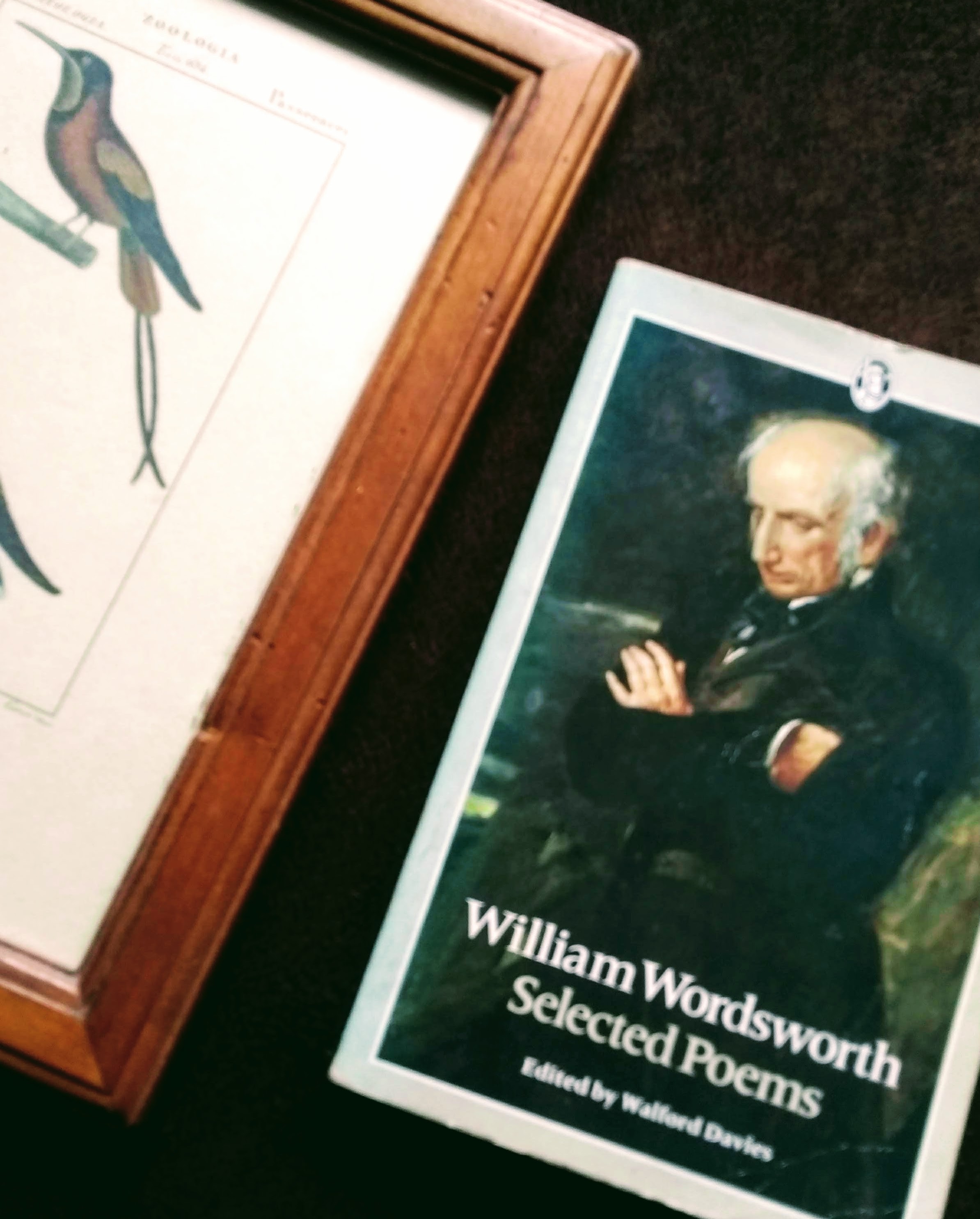
Three Reasons to Love Wordsworth

Wordsworth thinking

I’ve been really pleased by the reception of my first poetry book, Up in the Air, which reached the top ten in Amazon’s ‘Inspirational Poetry’ bestsellers category.

I wrote a post about how I started writing poems here. I mentioned it was climbing Scottish mountains and reading William Wordsworth that kickstarted my love for poetry. But citing Wordsworth as an inspiration is hardly hip these days. So I thought I’d tell you why I like him. Then, hopefully, you will too.

There are three reasons I love Wordsworth:

#1 His Idealism

As a young man in the 1790s, Wordsworth travelled on the continent and was excited by the fresh ideals of the politics he discovered. He believed passionately in the French Revolution, that there would be a new dawn of equality and liberty for all humankind. Unfortunately it was followed by the Reign of Terror and Wordsworth ultimately retreated, disillusioned, to his private sanctuary in the Lake District. I’ve got a feeling quite a few of us would like to do that these days.

#2 His Poetry

Obviously. Wordsworth created some of the most inspired and memorable lines in the English language. Look at these for instance:

Bliss was it in that dawn to be alive,
But to be young was very heaven!

That best portion of a good man’s life,
His little, nameless, unremembered acts of kindness and of love.

Getting and spending, we lay waste our powers.

Come forth into the light of things,
Let nature be your teacher.

With an eye made quiet by the power
Of harmony, and the deep power of joy,
We see into the life of things.

#3 Above all, his love of, respect for, and insight into Nature

As one of the greatest Romantic poets, Wordsworth described the inner life and value of Nature like no other:

And I have felt
A presence that disturbs me with the joy
Of elevated thoughts; a sense sublime
Of something far more deeply interfused,
Whose dwelling is the light of setting suns,
And the round ocean and the living air,
And the blue sky, and in the mind of man:
A motion and a spirit, that impels
All thinking things, all objects of all thought,
And rolls through all things.
Therefore am I still
A lover of the meadows and the woods,
And mountains; and of all that we behold
From this green earth; of all the mighty world
Of eye, and ear, – both what they half create,
And what perceive; well pleased to recognise
In nature and the language of the sense
The anchor of my purest thoughts, the nurse,
The guide, the guardian of my heart, and soul
Of all my moral being.

He understood the mysterious interplay that our thoughts, our minds, have with Nature. Lines composed a few miles above Tintern Abbey is my favourite poem, and I think the lines about what the eye and ear ‘half create, and what percieve’ is a revelation.

I often re-read Wordsworth’s poems, when I arrive in the mountains, or see a new, inspiring landscape. We can never be sure about the inner life of Nature, the force that through the green fuse drives the flower as Dylan Thomas called it, and what our part in it is. But many of us believe that there is something really there beyond dim, blind, mechanics. And we see that, in a semi-objective, semi-imaginative way, we are not only created by it, but have a mysterious role in creating the world ourselves.

Find a good, reasonably priced edition of Wordsworth’s poems on Amazon here. Interested in finding out about my poetry? Go here.

TigerFish – a gripping story of a young Vietnamese refugee

“Do you see how beautifully this hardship has shaped and formed the stretching branches and foliage, like long slender fingers pointing toward the sea?”

Hoang Chi Truong’s autobiography of her experience as a young girl fleeing the Vietnam war is fascinating on many levels: as an insight into Vietnamese culture, both before and after the war; as a harrowing tale of the upheaval and existential terror of having to flee your own country to save your life; of the nuanced and changing feelings towards the culture and people that take you in as a refugee.

I found the story gripping from start to finish. The language is precise and evocative, with moments of poetic beauty, such as the quote above. I recommend you read the story of TigerFish, not only for its own many merits, but as a stark reminder of the need for countries to be bigger and wiser and kinder towards refugees.

You can purchase a copy here:

Who are your Inspirational Authors?

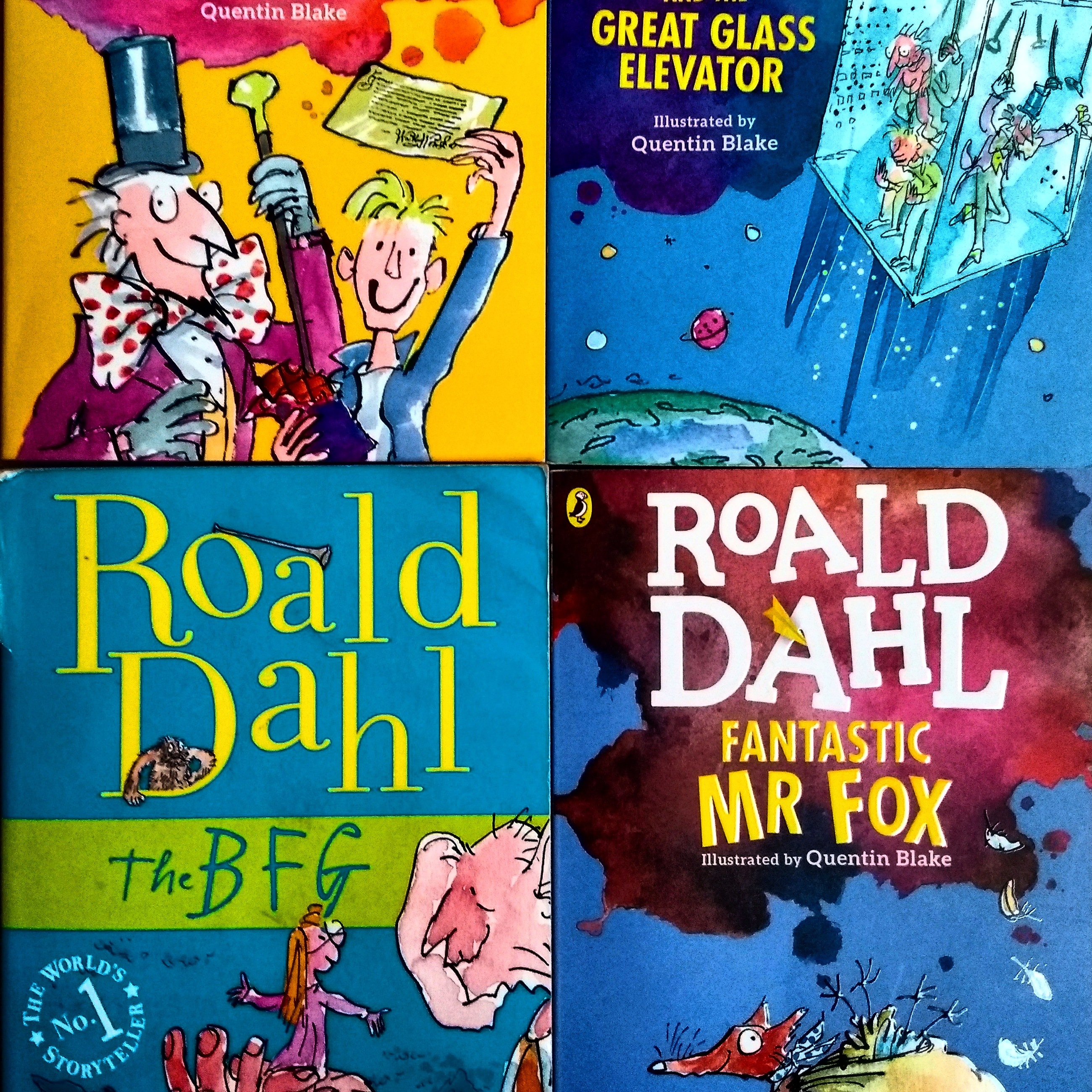
Roald Dahl - inspirational authors

I’ve started a new A-Z of authors who have inspired my writing on my Instagram page, using the hashtag #stevegreads.

I’ve just got to D, which was a tough choice between Helen Dunmore, a fantastic author and poet who died sadly last year, Bob Dylan, whose biography Chronicles lived up to his epic career of songwriting, and Roald Dahl.

In the end I had to choose Roald Dahl, whose irreverent, joyful stories were a high point of my childhood reading. And which are now making me happy for a second time, as I read them with my two boys.

Which authors do you keep going back to? Who has inspired you the most?

Land of Mine: life as a Prisoner of War

I’ve just watched the harrowing Danish / German war film, Land of Mine. It’s about a group of German Prisoners of War who, contrary to the Geneva Convention, are made to find and defuse 45,000 land mines along a short stretch of brilliant white coastline. That’s 45,000 out of the 2.2 million mines that were laid along the Danish coast, more than the rest of Europe altogether. This is where the Fuhrer thought the invasion would come.

The film is heart-wrenching. The soldiers are all in their teens, clearly out of their depth, carrying all the burden of a situation that was not of their making. They are harassed and abused by their guards. It’s understandable, but hard to watch when they are crying and having to loudly deny that they are missing their homes, or their family, or even crying in the first place. This is grim. It is only a matter of time before, starving and sick from eating stolen animal meal, the expected happens.

My grandfather was a German Prisoner of War, which was one of the reasons I watched the film. I wanted to try to get some insight into what he must have experienced, being little more than a boy during this period of seismic upheaval. He died when I was 10, but I still remember sitting at his feet and pestering him for war stories whilst he sat in his favourite armchair in his Eastbourne semi, smoking Golden Virginia rollies. He didn’t like talking about the war, but over the years I got several stories from him.

He told me how he was at the launch of one of the first V2 rockets, which went straight up in the sky and came straight back down on the launch site, leaving the soldiers scrambling for cover. He told me how he was captured at the Battle of Caen, aiming a Panzerfaust at a British tank and being spotted by the tank commander who fired his machine gun at him. My grandfather’s stick grenade was hit and exploded, wounding him from head to foot on one side and blowing to pieces his friend who was loading behind him. My grandfather was saved by the Red Cross, sent to Canada – ‘the bears used to raid the bins every night’ – then to Scotland, and finally to Eastbourne, which is where he met my grandmother.

His experience of growing up is incomparable to mine; that’s why I was interested in seeing Land of Mine. In those young, proud, frightened German boys I was able to imagine some of the barely suppressed, frequently overt hatred he must have experienced from those who saw him as no more than a representative of the evil that had taken away their loved ones in the war.

Being one-quarter German, I am painfully aware that both my great-grandparents and my grandparents effectively tried to kill each other in two of the most horrific wars the world has ever seen. My parents and my generation have been spared – thanks in no small part to the European Union, winner of the 2012 Nobel Peace Prize, which has helped forge the longest period of peace in Europe since Roman times. But the lesson of history is never to become complacent. We must do all we can to keep our children’s generation free from such ruin.

German grandfather (former Prisoner of War) and English grandmotherMy German grandfather, Egon Korn, and English grandmother, Pamela (nee Guy)