People have been asking what I’m up to now that I’ve finished writing The Secret of the Tirthas. So here’s my Autumn Update….
I’ve taken the summer off from writing! After spending the last 4 summers writing and publishing novels (albeit with short hols thrown in), this year I decided to have a break. What did I do? I went here with my family:
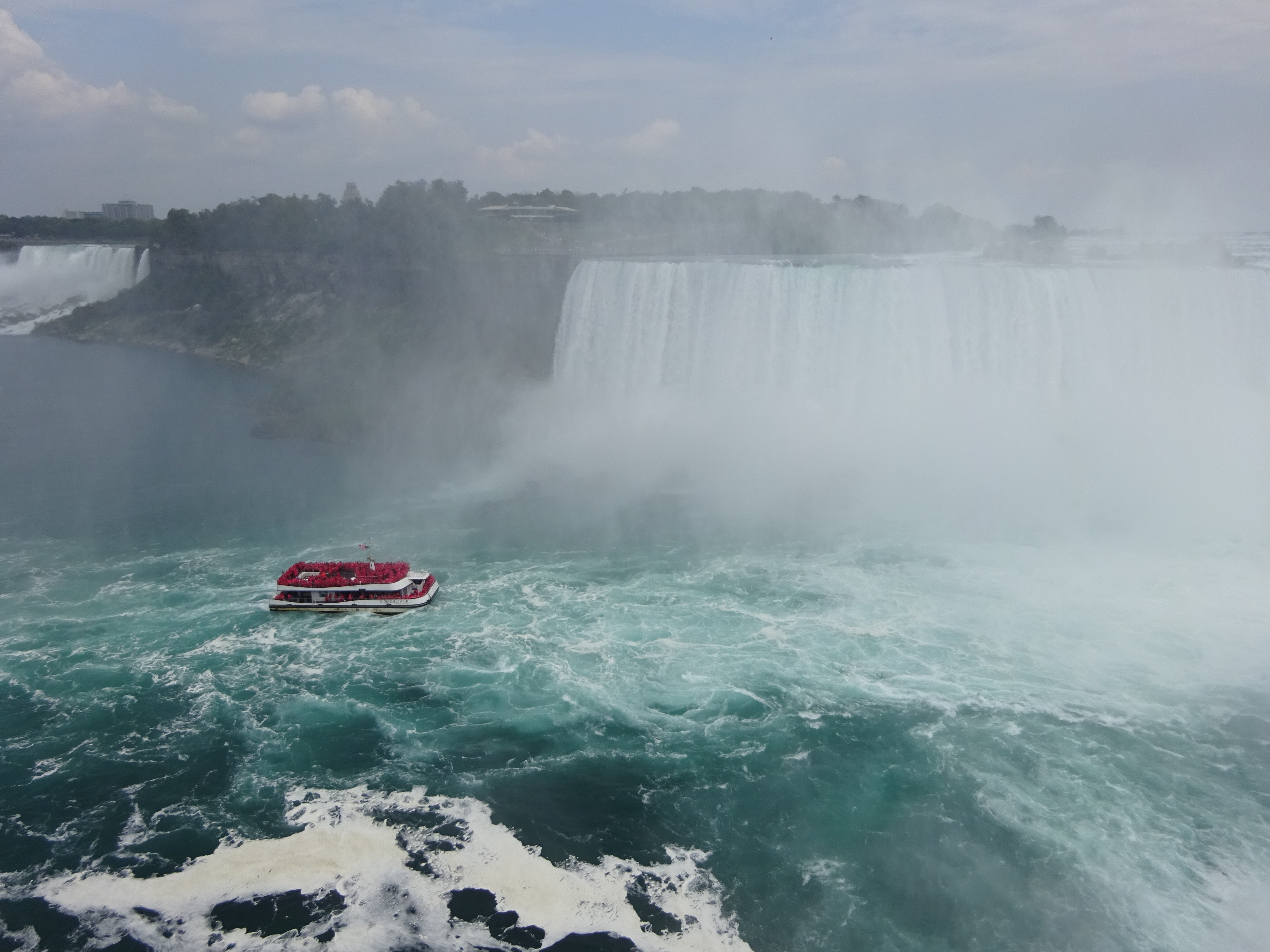
That’s Niagara Falls by the way, for those who don’t recognise it. Wow. I mean, wow…
Now I’m back, I’m compiling a book of poetry that I’ve written over the last [mumble…mumble] years. This includes collecting some of the poems that I’ve had published in magazines such as Poetry Ireland, The New Welsh Review, and Poetry Scotland.
It’s fun getting all this together – but it’s not doing much flexing of my imagination muscles. So I’m also thinking about my next book. I’ve got a few ideas swirling around – speculative fiction for young adults and / or grown-ups; another fantasy series for middle grade / teens; something more ‘literary’. Some of these ideas have been around for years, some are entirely new. But what I’m waiting for (or maybe working my subconscious on) is the writer’s eureka moment. That moment every author knows, when they feel that pure excitement and know this is the story they are going to tell because… well, because they have to tell it. It’s too exciting to let it go.
So, besides lots of family time, that’s what I’m up to now. Plus I’ll be doing to a few promotional activities in the real and social media worlds – including a book signing session at Barton’s bookshop in Leatherhead for Christmas on 1st December.
Let me know what you’re up to in the comments section, or send me an email at stevegriffin40@outlook.com!
“Do you see how beautifully this hardship has shaped and formed the stretching branches and foliage, like long slender fingers pointing toward the sea?”
Hoang Chi Truong’s autobiography of her experience as a young girl fleeing the Vietnam war is fascinating on many levels: as an insight into Vietnamese culture, both before and after the war; as a harrowing tale of the upheaval and existential terror of having to flee your own country to save your life; of the nuanced and changing feelings towards the culture and people that take you in as a refugee.
I found the story gripping from start to finish. The language is precise and evocative, with moments of poetic beauty, such as the quote above. I recommend you read the story of TigerFish, not only for its own many merits, but as a stark reminder of the need for countries to be bigger and wiser and kinder towards refugees.
In The Secret of the Tirthas, the demons and their followers are desperately seeking to capture the Artefacts of Power. These magical items have gained their power from the devotion of worshippers over the centuries.
Each Artefact in the story is based on a real life sacred object, from a different religious tradition. Here’s a list of them, with the culture or religion they came from:
Nkisi statue – a wooden figure from African shamanistic religion. People drove iron nails in to release the power of the ancestor spirit residing in it.
Nkisi statue
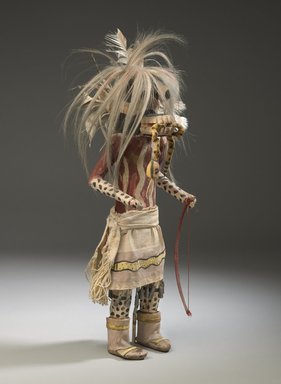
Hilili Kachina – a raindance doll with a snake hanging out of his mouth, from Native American culture.
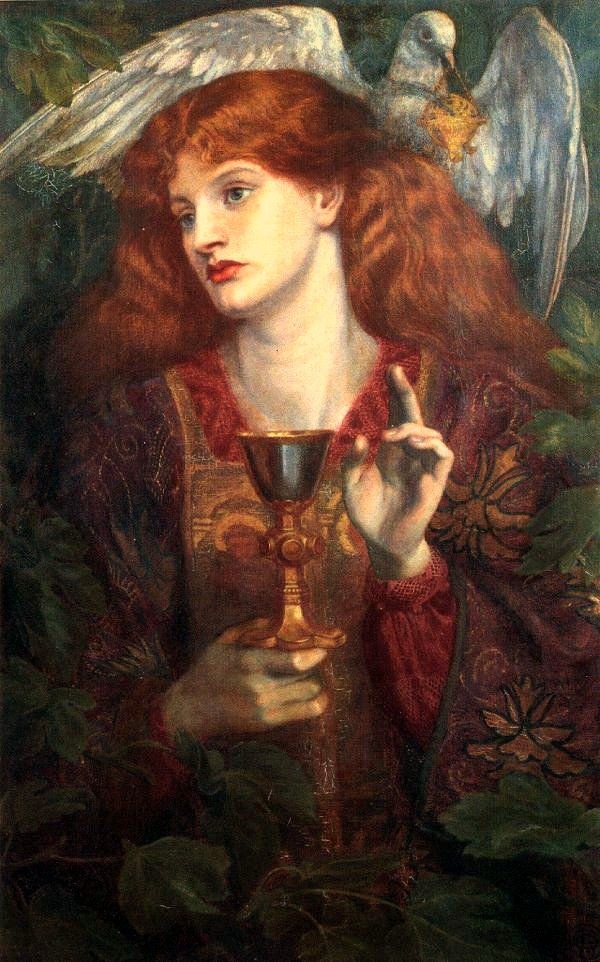
The Holy Grail – a chalice containing the blood of Christ from the Last Supper, much pursued by medieval knights.
The Damsel of the Sanct Grael, Rossetti
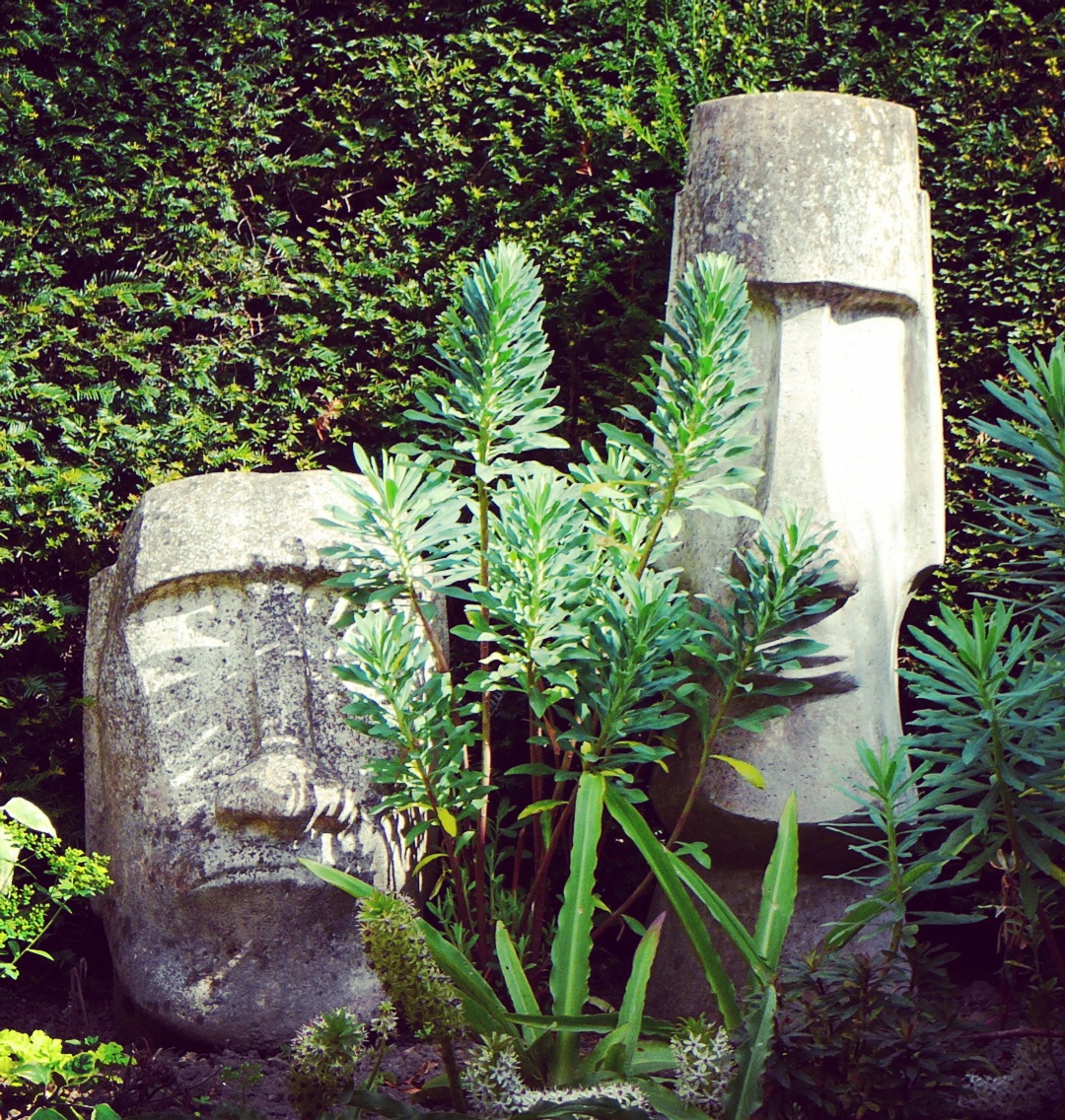
Easter Island statue(maoi) – over 1,000 of these mysterious statues were constructed by the inhabitants of a remote island in the Pacific Ocean. All the statues look inland, away from the sea. It is thought they represented ancestors, guarding over the islanders.
Easter Island sculptures from the original Garden of Rooms in Herefordshire
Venus– the statue is based on the famous Venus of Hohle Fels, found in Germany and believed to be 40,000 years old. She was carved from mammoth tusk.
Venus of Hohle Fels (Image: Thilo Parg / Wikimedia Commons License: CC BY-SA 3.0)
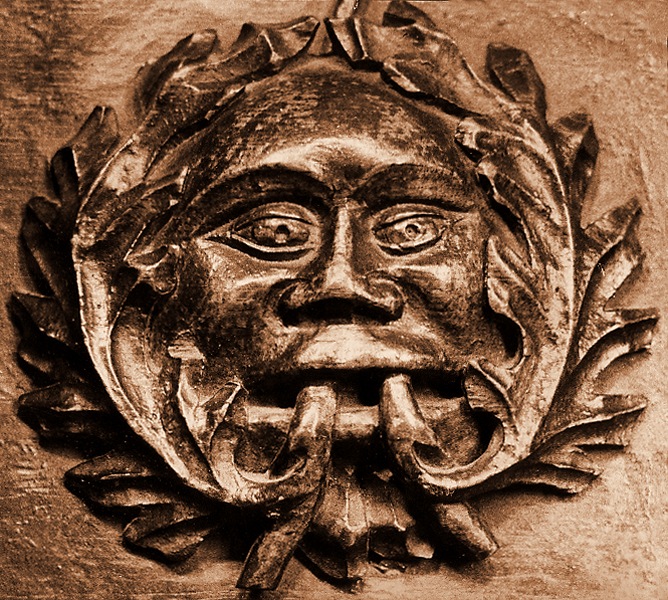
Green Man – a figure from Western paganism, symbolising the regenerative, mysterious powers of Nature.
Green Man from a Herefordshire church
Other Artefacts in The Secret of the Tirthas:
Yingarna– a goddess of creation, who carried children from different Aboriginal tribes in her many bags.
Shiva Lingam – a holy symbol of Lord Shiva, the Hindu god of destruction, carved from stone.
Buddha’s Tooth – there are several teeth relics of the Buddha, including a very famous one in Sri Lanka.
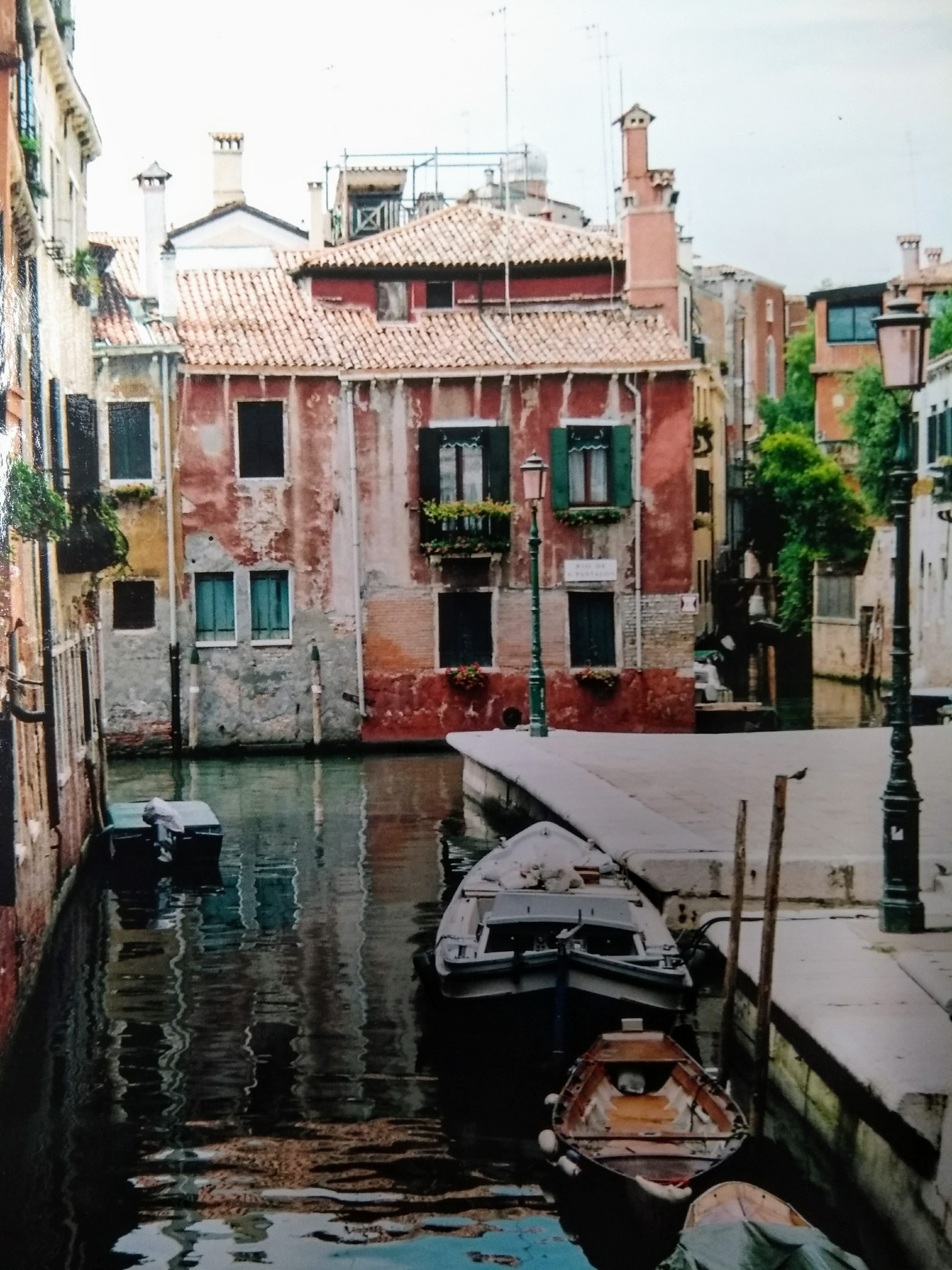
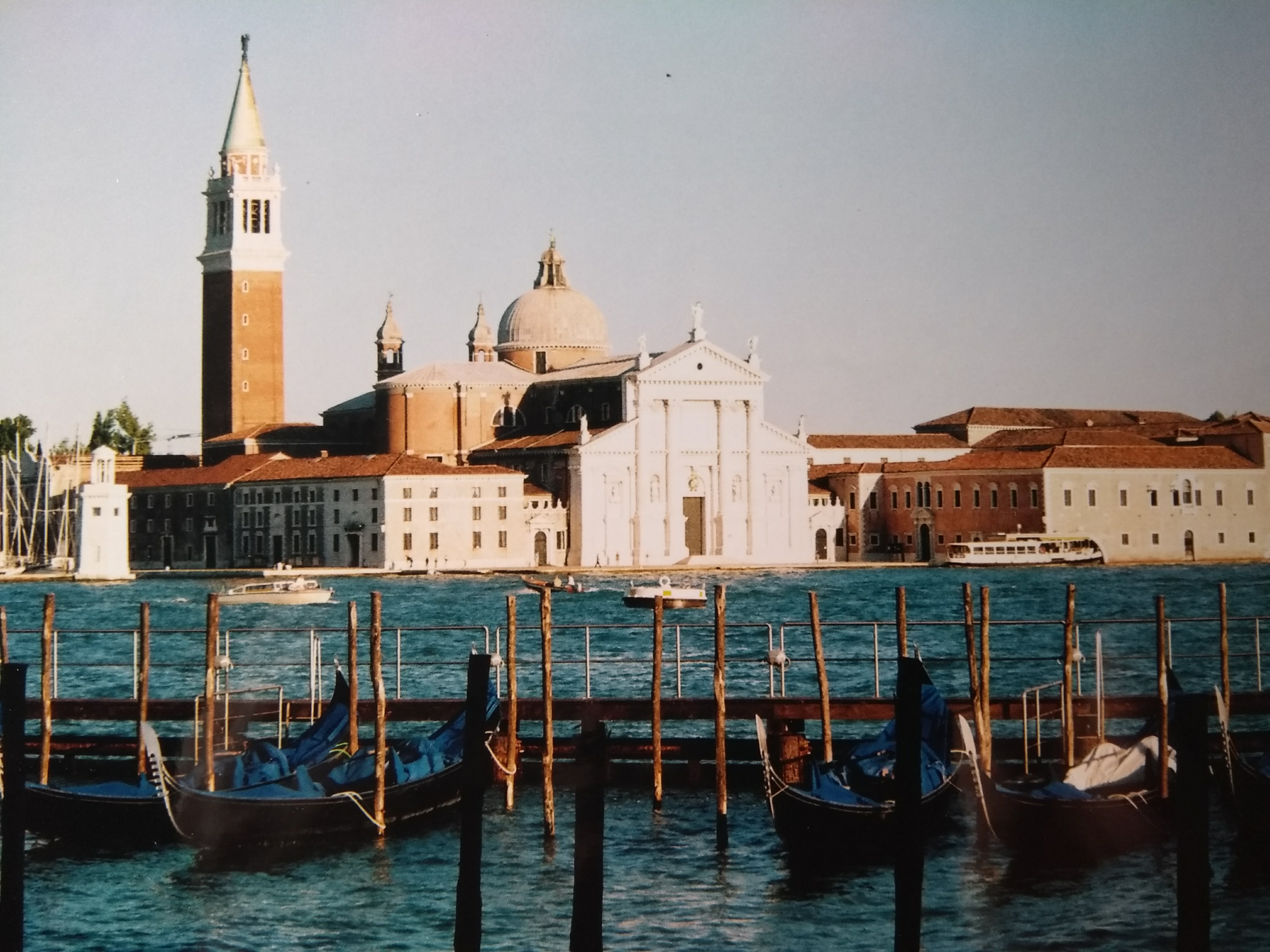
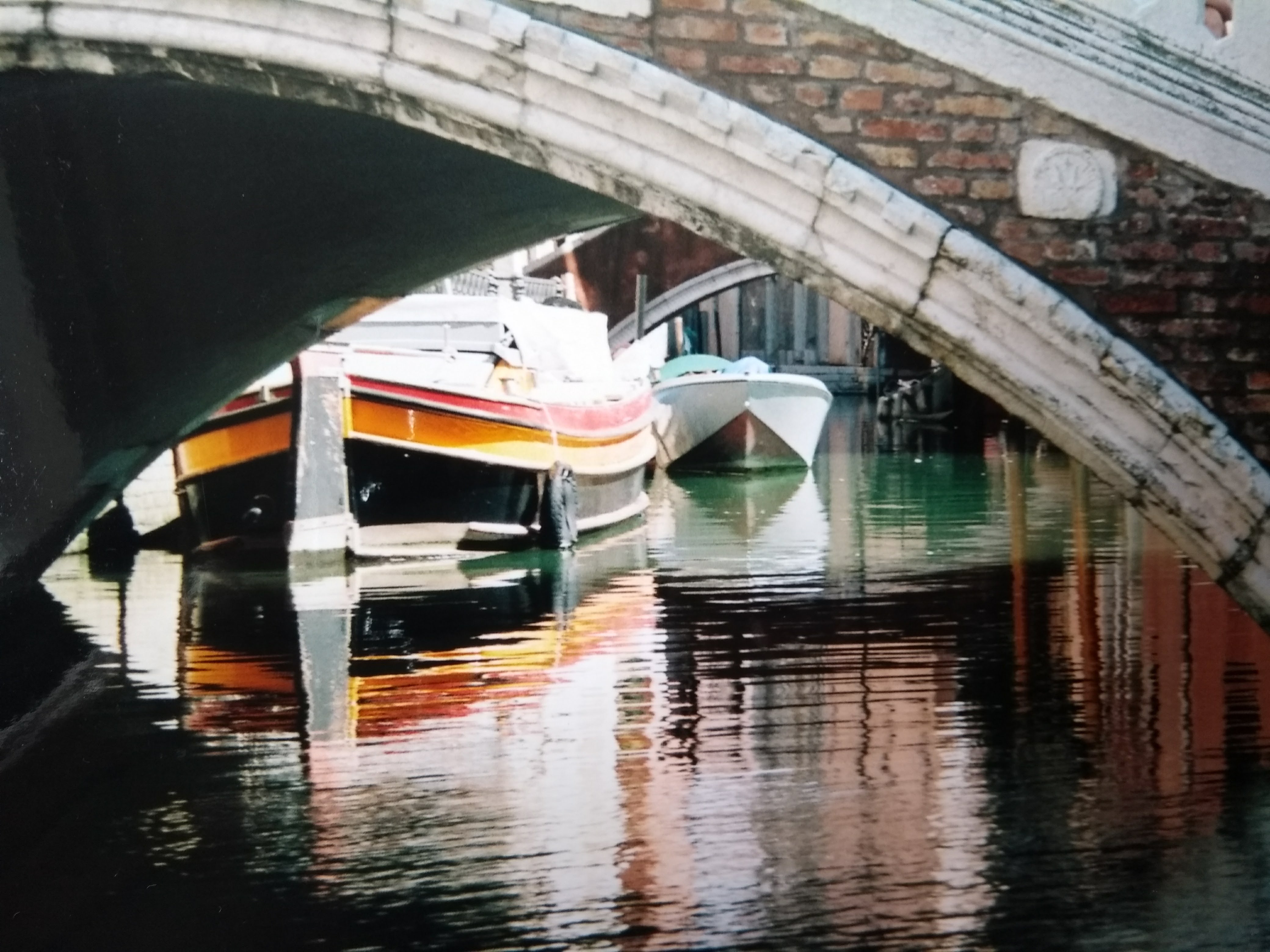
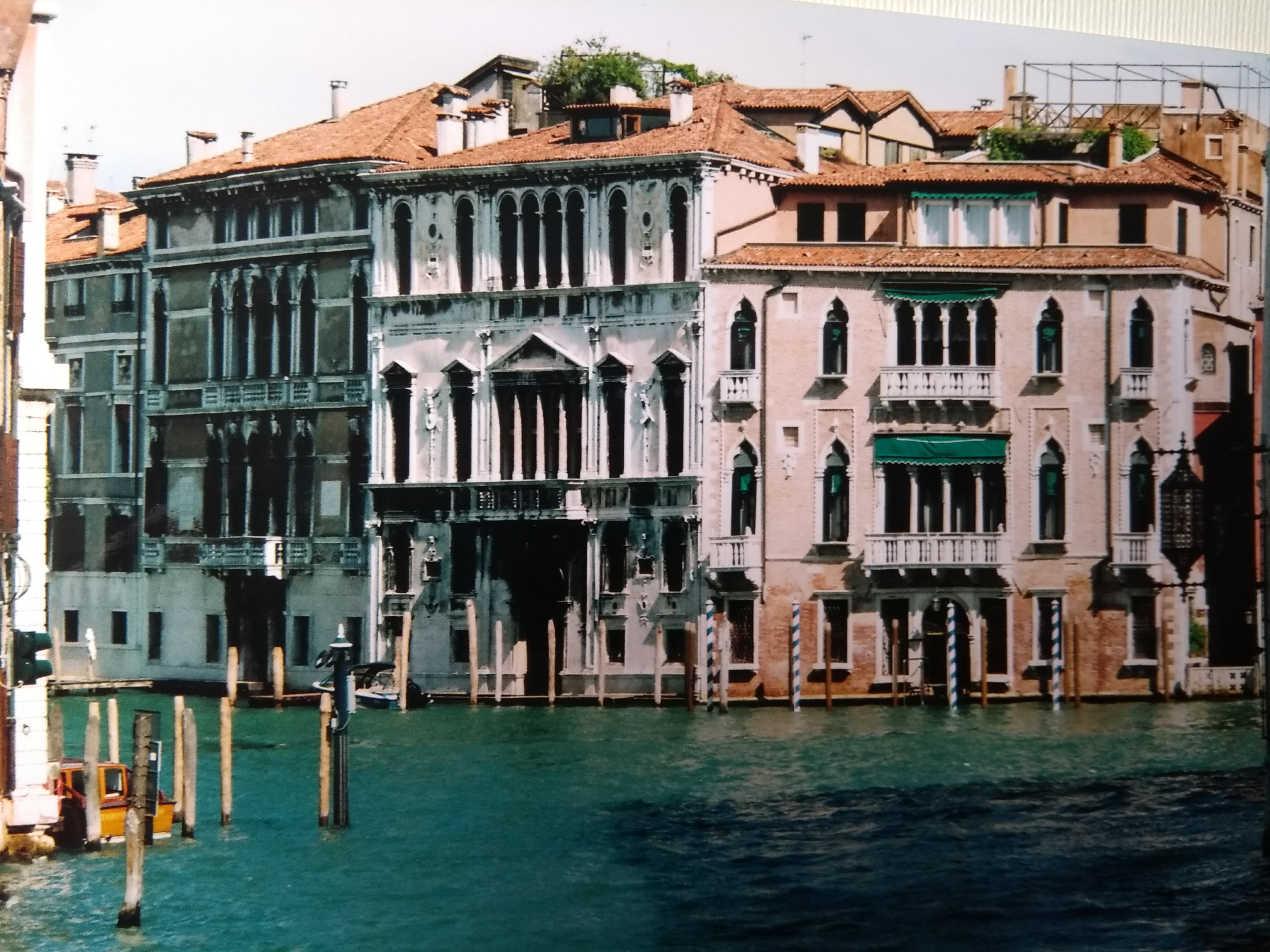
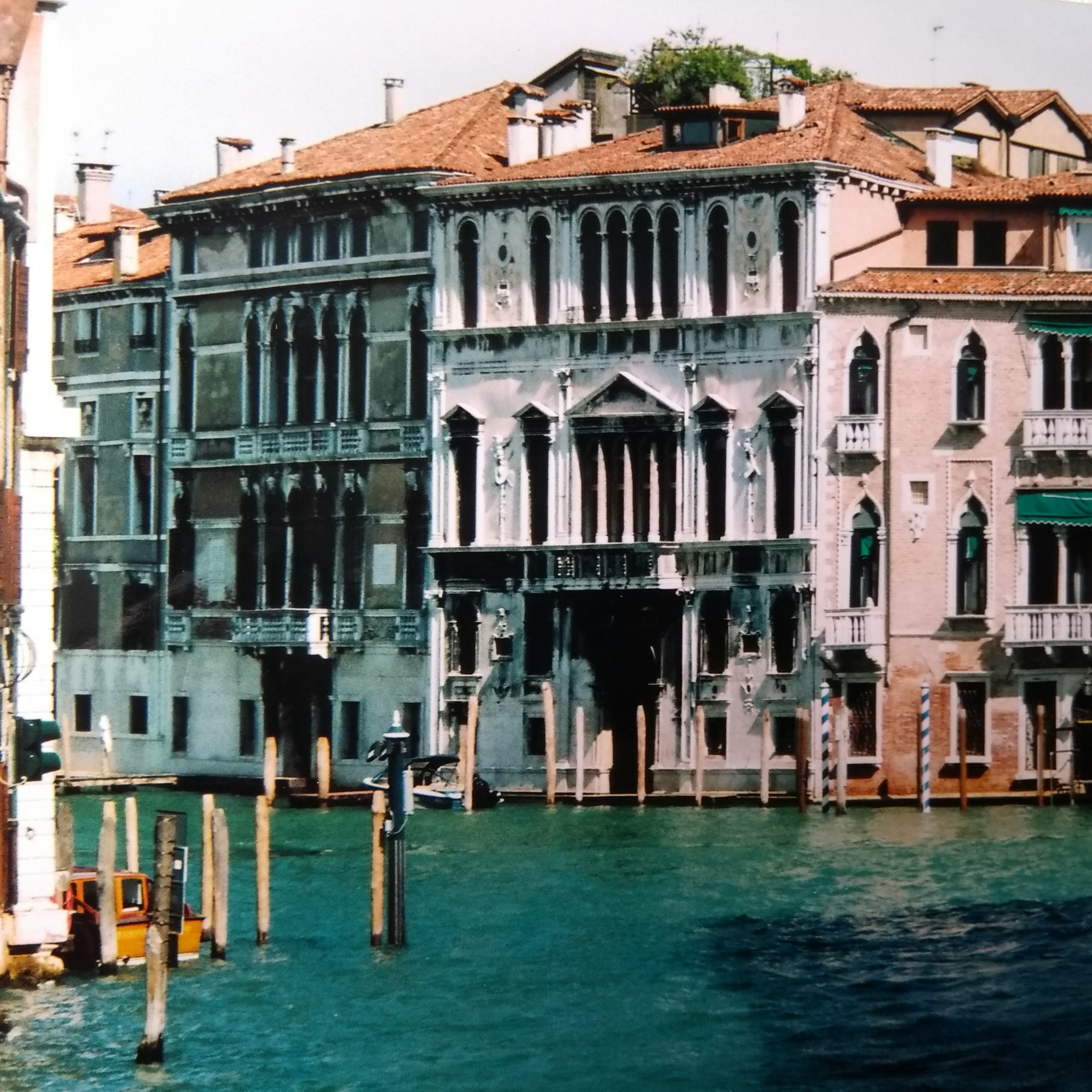
When I started The Secret of the Tirthas, Venice was high on the list of possible portals for Lizzie’s garden. However, it wasn’t until the fifth book, The Unknown Realms, that I finally found the right storyline for it.
I was lucky enough to spend a long weekend in Venice a few years ago, when a friend got married there. My wife had visited before so she knew some interesting spots – and cut throughs – that were less crowded.
Venice has a special hold on the imagination of many people in Europe. Obviously the main reason for this is its sheer, phenomenal beauty – its gondolier-strewn canals, its baroque bridges and buildings, its beautiful squares and churches. But it also resonates because of the subtle, bohemain air of dilapidation. Once the greatest port and trading post on the Mediterranean, it is now, as a lived-in city, dying. Its native population has declined by well over 50% in the last 100 years.
For these reasons, it made the perfect setting for the doom-laden chase involving Lizzie, the demon Pisaca, and the bean-nighe, or banshee. And for the miraculous, out-of-this-world experience that Lizzie has shortly afterwards, in the boat of the mysterious gondolier.
I’ve started a new A-Z of authors who have inspired my writing on my Instagram page, using the hashtag #stevegreads.
I’ve just got to D, which was a tough choice between Helen Dunmore, a fantastic author and poet who died sadly last year, Bob Dylan, whose biography Chronicles lived up to his epic career of songwriting, and Roald Dahl.
In the end I had to choose Roald Dahl, whose irreverent, joyful stories were a high point of my childhood reading. And which are now making me happy for a second time, as I read them with my two boys.
Which authors do you keep going back to? Who has inspired you the most?
The Unknown Realms is the fifth and final volume in The Secret of the Tirthas. In it, Lizzie faces her most perilous challenges yet as she seeks to stop the demons and their followers from corrupting the power of the tirthas for their own treacherous ends. And worst of all, she must face them alone, as she has lost all hope of reuniting with her friends.
Here’s a short excerpt from the second chapter, The Cannaregio Shrine:
Alessandro’s grandfather, Nazario, told him that the shrine of the Madonna in Cannaregio was the oldest in Venice. When Nazario suffered a stroke that left him bedbound and dumb, Alessandro used his pocket money to buy a tealight each day from Severina’s shop which he would take to the shrine in the wall, light with a match, and pop through the grill. He could just reach through to the bottom ledge if he stood on tiptoes. He would say a prayer to the ivy-shrouded statue of Our Lady, wishing his beloved grandfather would return speedily to good health, so they could laugh again and enjoy a sweet zaleti together in the morning sunshine.
Today, as he was coming down the canal-side street to the corner where the steps led up to the shrine, Alessandro was thinking about his cat, Tito. He was wondering why Tito never ate all of his food, even when it was fish, when he heard an unusual creaking sound ahead. It was followed by a dull thud, and then a cough, a human cough, echoing through the twilit street. He was sure someone must be up by the shrine, perhaps a straggling tourist.
Alessandro cried out in surprise as he turned the corner and came face to face with the person who must have made the noise.
‘Madonna!’ he gasped, seeing the bedraggled, greasy hair, the bony, wrinkled forehead, and above all the large, desolate eyes, eyes full of a sorrow that would haunt him for the rest of his life. ‘Chi sei?’ was all he could think to say, who are you? Although at the same time he was thinking what are you might make more sense.
The awful crone didn’t reply. After holding his gaze for a moment and filling him with a wretched chill that he felt right down to his heels, she barged past him, clutching something tightly against her side. She hurried off in between the tall buildings, alongside the still, green-dark canal.
Alessandro stood still, feeling sad, in need of his mother, in need of God, but most of all just confused. After a moment, he realised the sharp edge of metal that his thumb was flicking in his pocket was today’s tealight. Before running back home, he would at least light that, to remember his grandfather’s health, and the hope and mystery of the Madonna.
He turned the corner and began to climb the small, white-washed steps to the shrine, which was set a couple of metres up in the wall and covered in a fine ivy that was turning red with the autumn.
Then he stopped again, and watched something happen that simply did not make sense.
Dropping from the shrine, from its opened grate, was a person – a girl with a pony tail, older than him – with the Madonna statue clutched in one hand. No sooner had the girl landed on the pavement than she was followed by another, much larger, figure – a woman, no, a man, thought Alessandro, and then he thought, no, un mostro, a monster!
The second figure was huge, only just able to squeeze out through the small opening in the wall, clad in black, with the most terrible features, a giant, reddish face, teeth like a bear’s, a brutal, snubby snout, and thick dark hair.
‘Diavolo!’ gasped Alessandro, as the creature straightened and placed a hand on the shoulder of the girl, who was looking down the steps at him with a clear, steadfast gaze.
And then his eight-year-old imagination kicked in, a clear connection was made, and he realised what he must be seeing. A woman wearing a mask, of course! But then he thought: why, when it wasn’t carnival season?
The girl said something to him then. She spoke in a language he didn’t understand, but her eyes were kind and her voice reassuring, so he felt the fear in him subside. Then she looked up at her strange companion and said something to her. The masked woman replied, in an urgent voice that sounded to Alessandro like Darth Vader from Star Wars. Was something wrong with her? he wondered. The woman stepped aside and, standing on tiptoes, the girl quickly replaced the statue of Mary in the shrine and pushed the protective grill back into place.
Next moment, the woman with the demonic mask was striding down the steps towards Alessandro, pulling the girl along behind her.
‘Togliti di mezzo!’ the woman said to him, and he stepped sideways to pin himself to the wall as they came past, clearly in a hurry.
There were many things Alessandro would never forget from that night – the crone, the foul, factory-like smell of the devil-masked woman, the deathly, unbearable wail that shook Venice a short while later and made everyone think their decadent city had finally reached the End of Days.
But the one thing he would remember above all were the eyes of the girl as she came past him on the steps.
The eyes of a girl who understood more than any other girl. A gaze that held so much, and that made him think one day, years later when he was an apprentice glass maker in Murano, that this must be what the gaze of a saint would be like.
A gaze full of compassion and understanding.
And trapped by Fate.
Last week I had a short break with my family in Kenilworth, a small town in Warwickshire. I was born in Eastbourne but moved to the Midlands when I was very young, and spent most of my childhood there. Despite not having lived in Kenilworth for 20 years, I was surprised at the deep connection I still felt with the place.
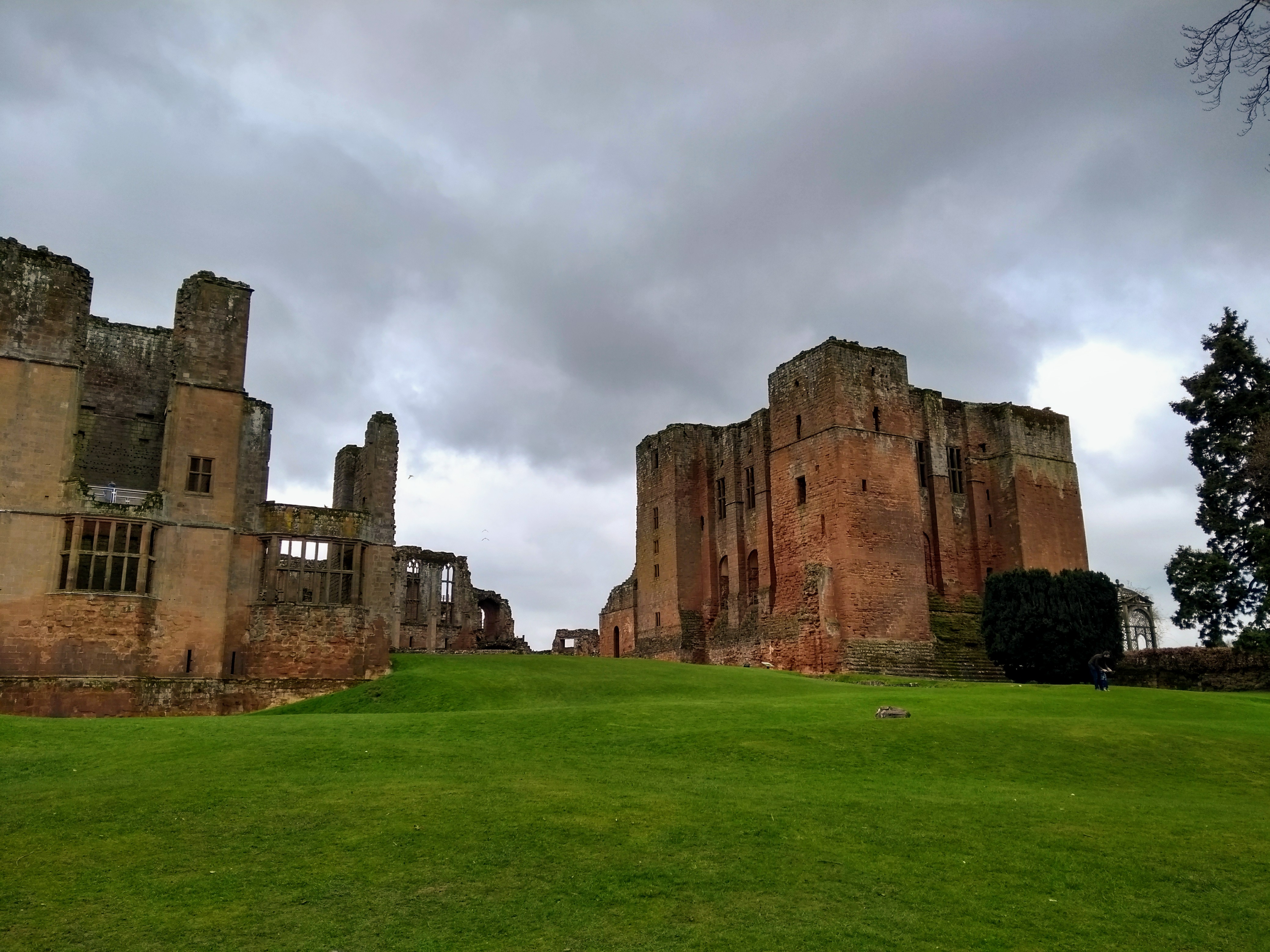
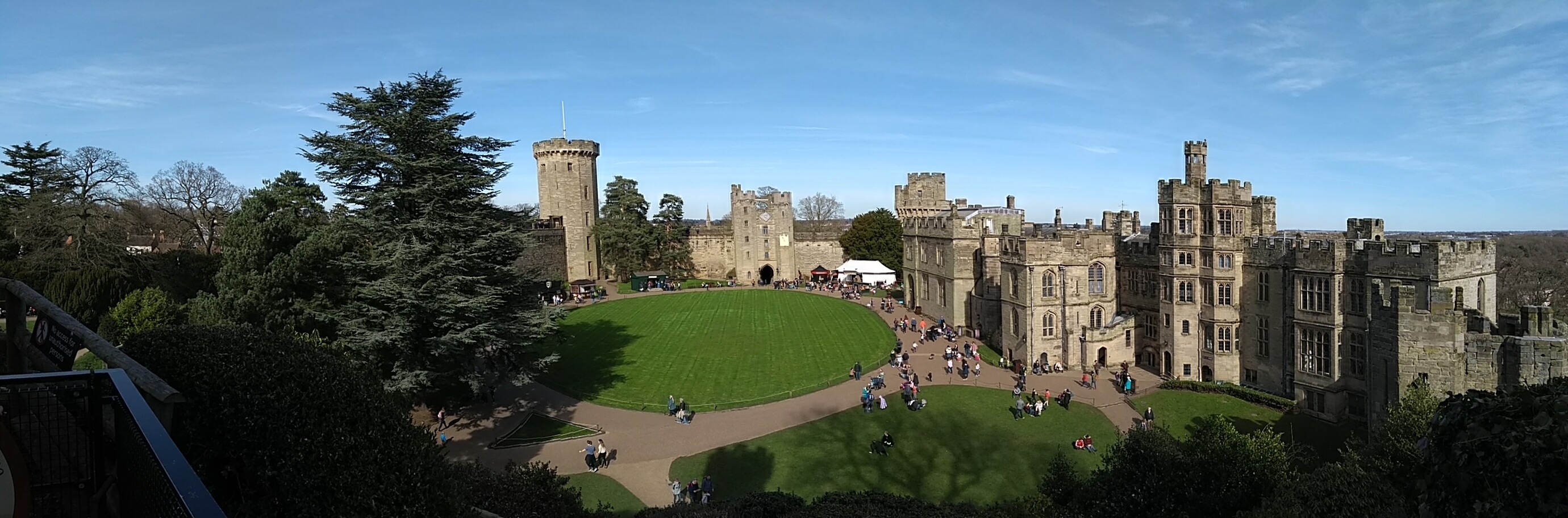
We rented a small cottage near the ruined but impressive Kenilworth castle. The castle was owned in its prime by Robert Dudley, the probable love interest of Queen Elizabeth I. They had been friends ever since they met as prisoners in the Tower of London. We spent a day in the castle, stomping up rickety, often rotten-looking stairways, taking in the magnificent views from the keep and the stately wing that Dudley built for the queen.
We spent a long time at the nearby flooded ford. With a small crowd, we cheered those cars that went for it and booed those that didn’t. (At least until our youngest, ignoring pleas to step back from the railings, was soaked by an SUV.)
We visited Leamington Spa, where the highlight for the boys was not the lovely Georgian Parade but a new rotor-blade swing in Victoria Park. We spent a sunny day in Stratford-on-Avon where the river had flooded its banks. Finally we visited splendid Warwick Castle, which unlike Kenilworth survived the ravages of the English Civil War.
I was excited to be back in the area I grew up. But I hadn’t expected the depth of connection I felt, run through by the precious seams of so many good – and some not-so-good – memories. I realised that, despite the length of time away, this still felt like my place. I love where I am now, and I’ve loved being in Scotland and London. But these small, Warwickshire towns, and especially Kenilworth, are where I was formed.
They are the places where I will always, to some degree, belong. Where do you belong?
The city that Lizzie discovers through the portal in her garden in the first book of The Secret of the Tirthas is based on a real city in India.
Kashi is one of the oldest cities in the world. Some estimates put it at up to 2,000 years old! It has had several names, including Benares, also spelt Banaras, but it is most commonly known as Varanasi. The meaning of Kashi is the ‘City of Light’. It’s the holiest city of Shiva, the Hindu god responsible for destruction. But Shiva destroys things with a purpose, to ensure there’s space in the world for creation and new life.
Kashi has hundreds of temples and stone steps (‘ghats‘) on its waterfront, leading down into the sacred River Ganges. Hindus believe that pilgrims who die in Kashi are enlightened and achieve instant moksha – that is, escape from the endless cycle of life and birth. Many are cremated at the famous Manikarnika ghat, and their ashes are thrown into the swirling river.
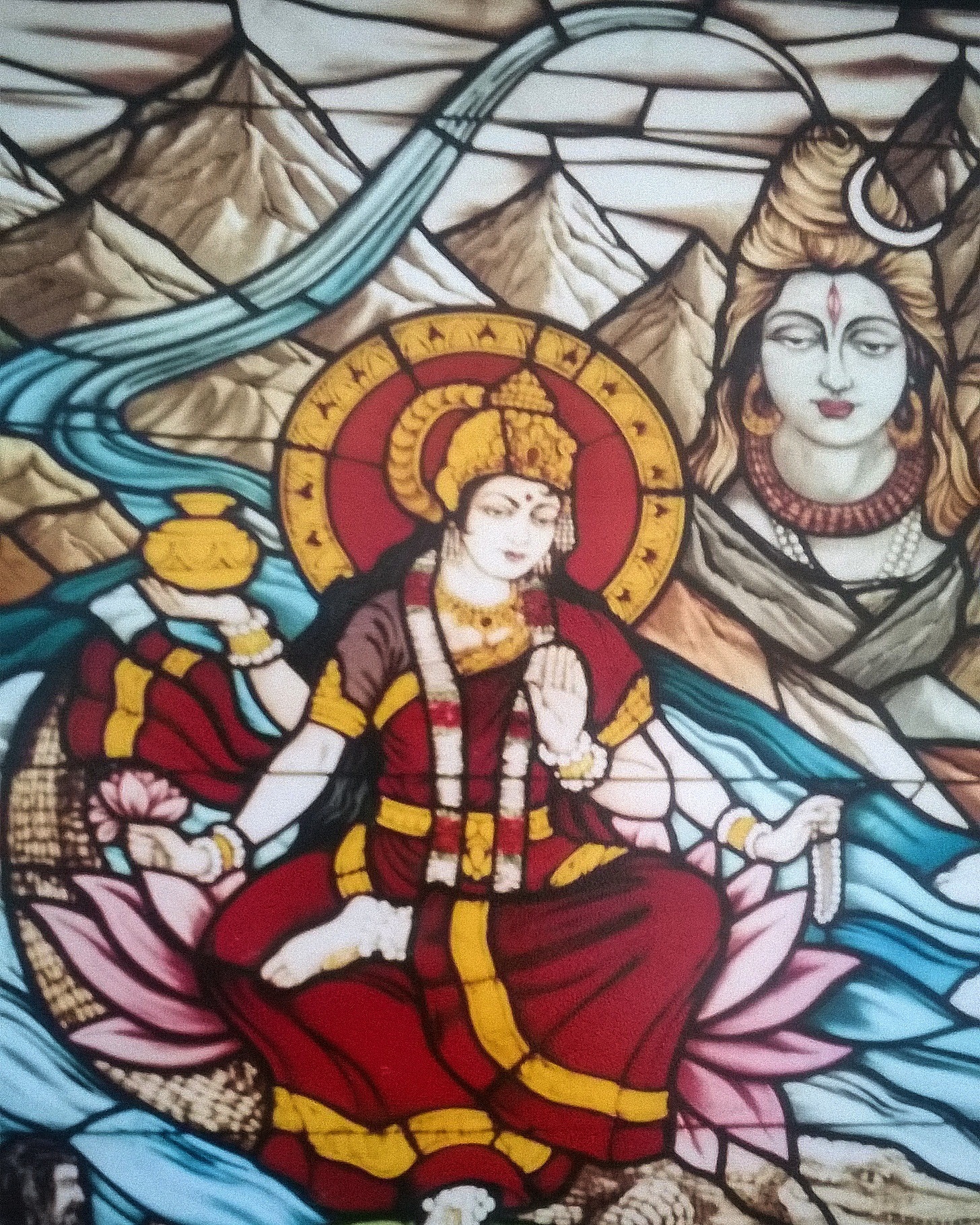
The Ganges flowing down from Shiva’s hair
Hindus also believe that Kashi is the centre of all ‘tirthas‘ – sacred crossing places – where the gods come down on to earth and where pilgrims can be transported instantaneously from one holy shrine to another. Now there’s an idea…
Kashi was the first place I visited on a three-month trip to India when I was in my twenties. I remember my first morning, taking a boat out to watch how the early morning sun made the honey-coloured ghats glow. It felt like I’d entered the landscape of a fantasy novel. I realised that there is little need to create imaginary worlds. You just have to visit places and cultures you’ve never been to before.
For more photos and extracts from my journal about the day I arrived in Kashi click here.
It’s not every day you get a cake made of your book…
Thank you so much to the readers of St Paul’s school Year 6 book club for their enthusiasm and fantastic questions yesterday. It was great to talk to them about the inspiration for my books, from a Herefordshire garden, to trips to India, Africa and Disneyland.
And particular thanks to the two members who baked cakes, including this one inspired by the The City of Light!





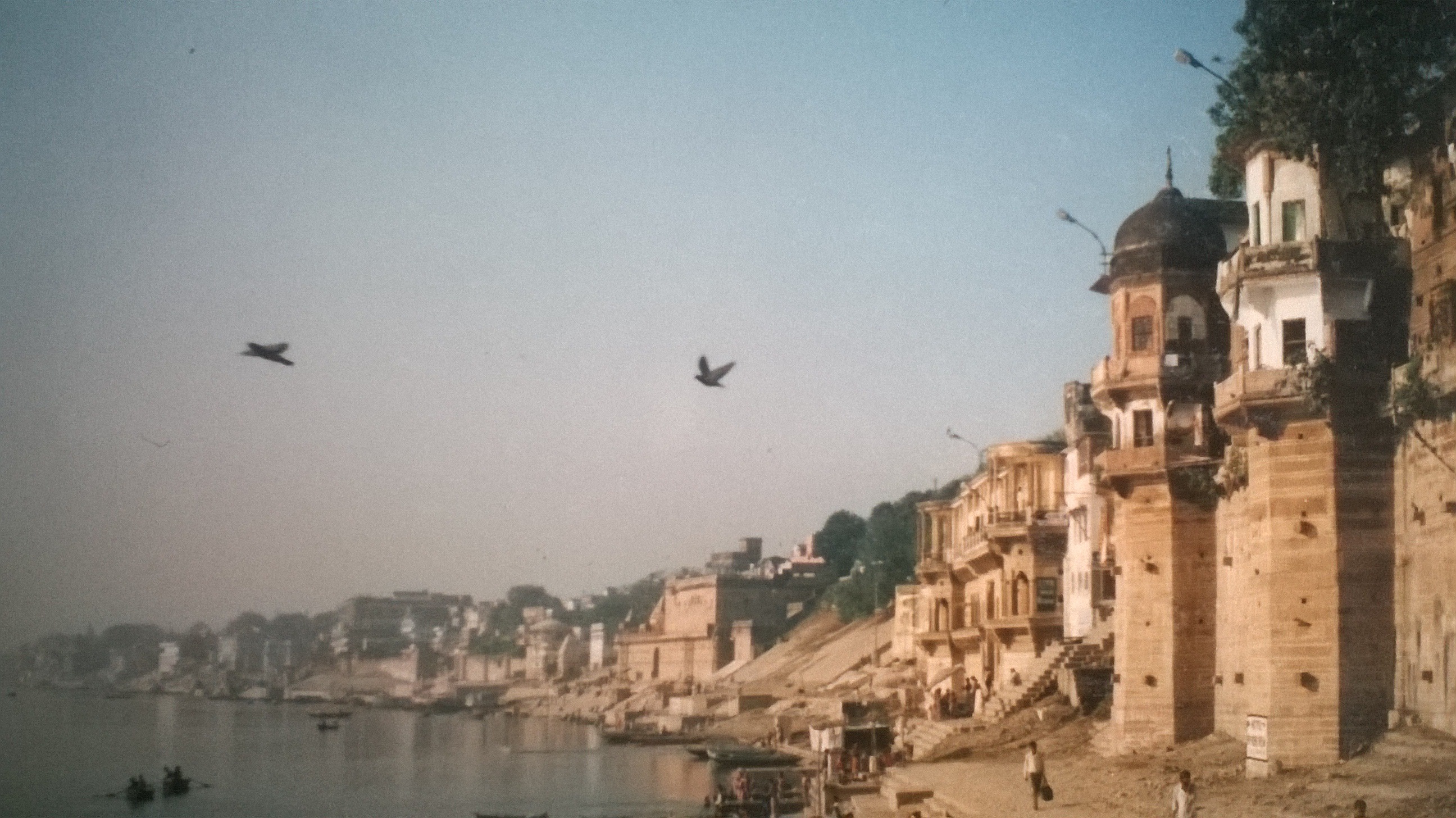 Kashi – The City of Light